Mastering the Art of Pickleball Drill Sessions: A Practical Guide
Why Intentional Drilling Matters
Pickleball is the fastest-growing sport in the world for good reason: it is accessible, social, and incredibly fun. However, many recreational players hit a performance plateau because they spend 100% of their court time playing competitive games. While playing is fun, true technical mastery comes from drilling—the repetitive practice of specific shots until they become second nature.
Intentional drilling allows you to isolate your weaknesses. If your third-shot drop is inconsistent, trying to force it during a high-stakes game usually results in a lost point. In a drill session, you can execute that same shot 50 times in a row, building the muscle memory required to succeed when the pressure is actually on.
The Core Drills for Every Player
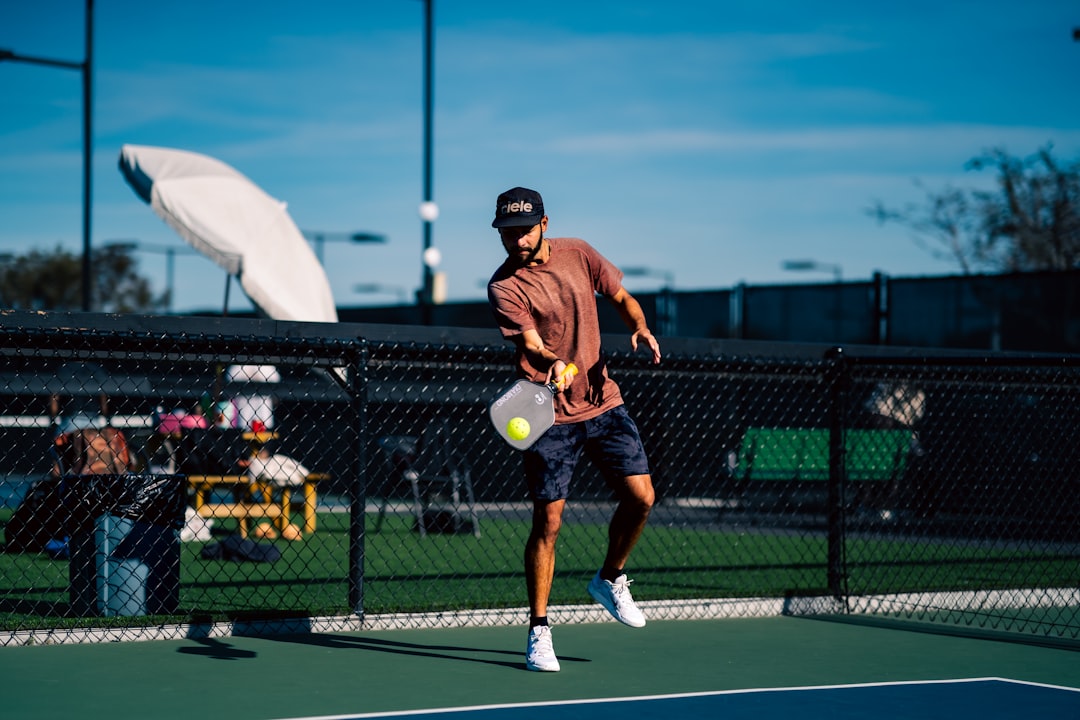
Your drill sessions should focus on the high-frequency scenarios you encounter in every match. Start with the 'Dink,' the foundation of the game at the non-volley zone. Stand across from a partner and rally, aiming to keep the ball low and within the 'kitchen' (the non-volley zone). The goal here is not to win the point, but to maintain the rally and find rhythm.
- Keep your knees bent and your stance low for better stability.
- Keep your paddle out in front of your body at all times.
- Focus on a smooth, compact motion from the shoulder, not the wrist.
Next, focus on the 'Third Shot Drop.' This is the most critical shot in the game, as it allows you to transition from the baseline to the net. Practice hitting the ball in a high arc that lands softly in your opponent’s kitchen, giving you and your partner time to move forward and gain court control.
Pickleball is a game of patience and tactical positioning. The player who makes the fewest unforced errors usually wins, not necessarily the one who hits the hardest.
Structuring Your Practice Routine
An effective drill session should last between 60 to 90 minutes. Start with 10 minutes of light dynamic stretching to prevent injury, followed by 30 minutes of technical drills, and finish with 20 minutes of situational gameplay. Avoid the mistake of trying to fix everything at once. Focus on one specific skill—like backhand dinks or deep serves—per week.
A common mistake is over-swinging. Many players coming from tennis try to apply heavy topspin or power, which often leads to hitting the ball into the net or out of bounds. In pickleball, precision beats power every single time. Learn to embrace the 'reset,' where you intentionally hit a soft shot to slow down the pace of a fast-moving rally.
Consistency is your best friend on the court. By committing to just one or two structured drilling sessions per week, you will notice a significant improvement in your confidence and win rate within a single month. Stay patient, focus on the mechanics rather than the result, and enjoy the process of becoming a more surgical, strategic player.