The Art of Amateur Meteor Counting: A Practical Guide
Meteor showers are among the most accessible and awe-inspiring spectacles in the cosmos. Unlike tracking distant nebulae or planets, observing meteors requires no expensive telescopes or complex gear. All you need is a dark sky, a bit of patience, and a structured methodology. This practice is not just a peaceful hobby; it is a citizen science activity where amateur observations contribute real data to help astronomers understand the flux and debris patterns of our solar system.
Preparation and Site Selection
The single most important factor is escaping light pollution. City lights can wash out all but the brightest meteors, so plan to travel at least 30 to 50 kilometers away from major urban centers. Use online light pollution maps to identify a truly dark "Bortle scale" site. A good spot provides a wide, unobstructed view of the horizon, as meteors can appear anywhere in the sky.
- Choose a location with a wide, 360-degree view of the sky.
- Dress in layers, even in summer, as temperatures drop significantly during the early morning hours.
- Bring a reclining chair; craning your neck for hours is a recipe for physical exhaustion, not enjoyment.
Observation Techniques and Recording
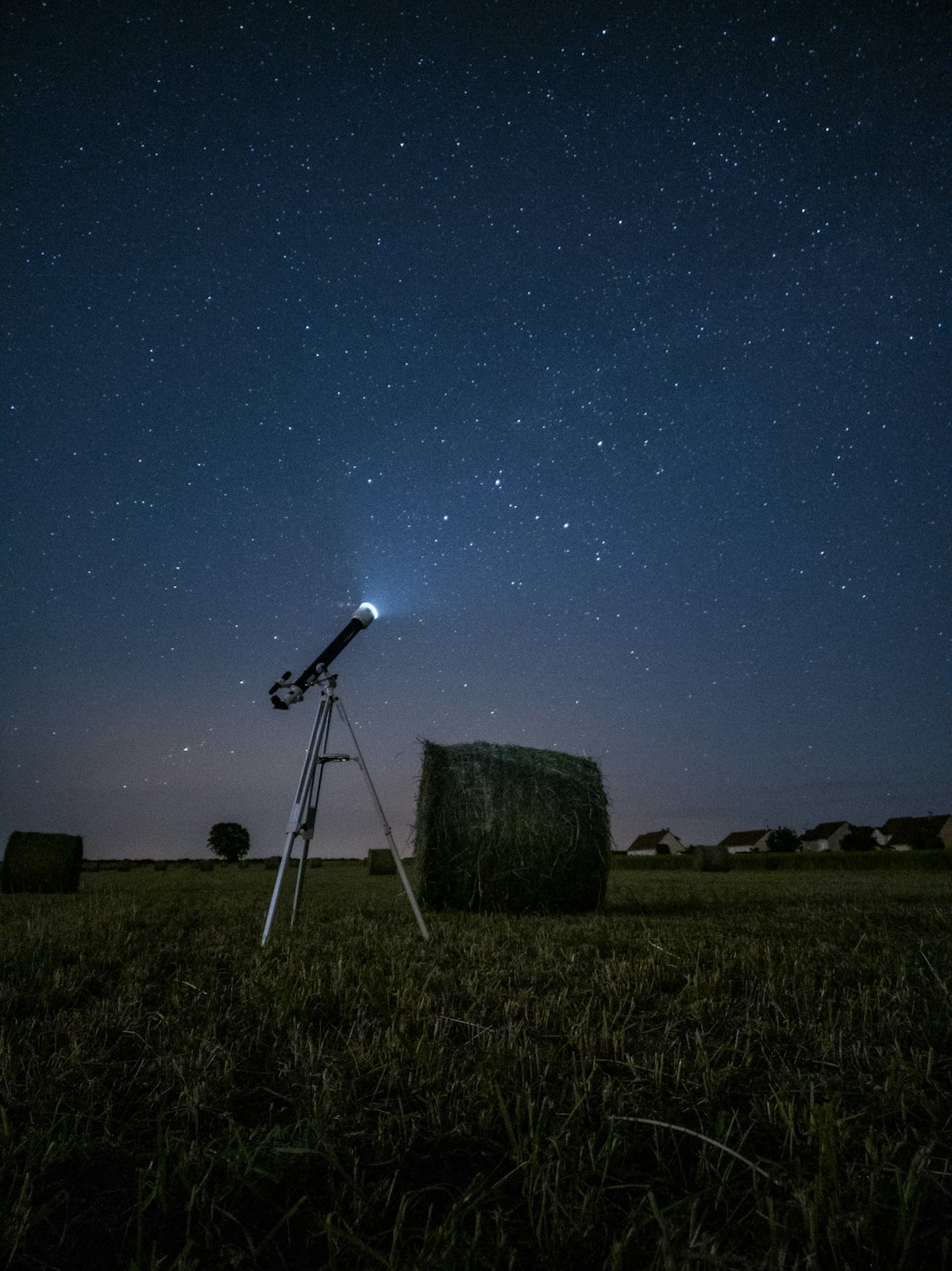
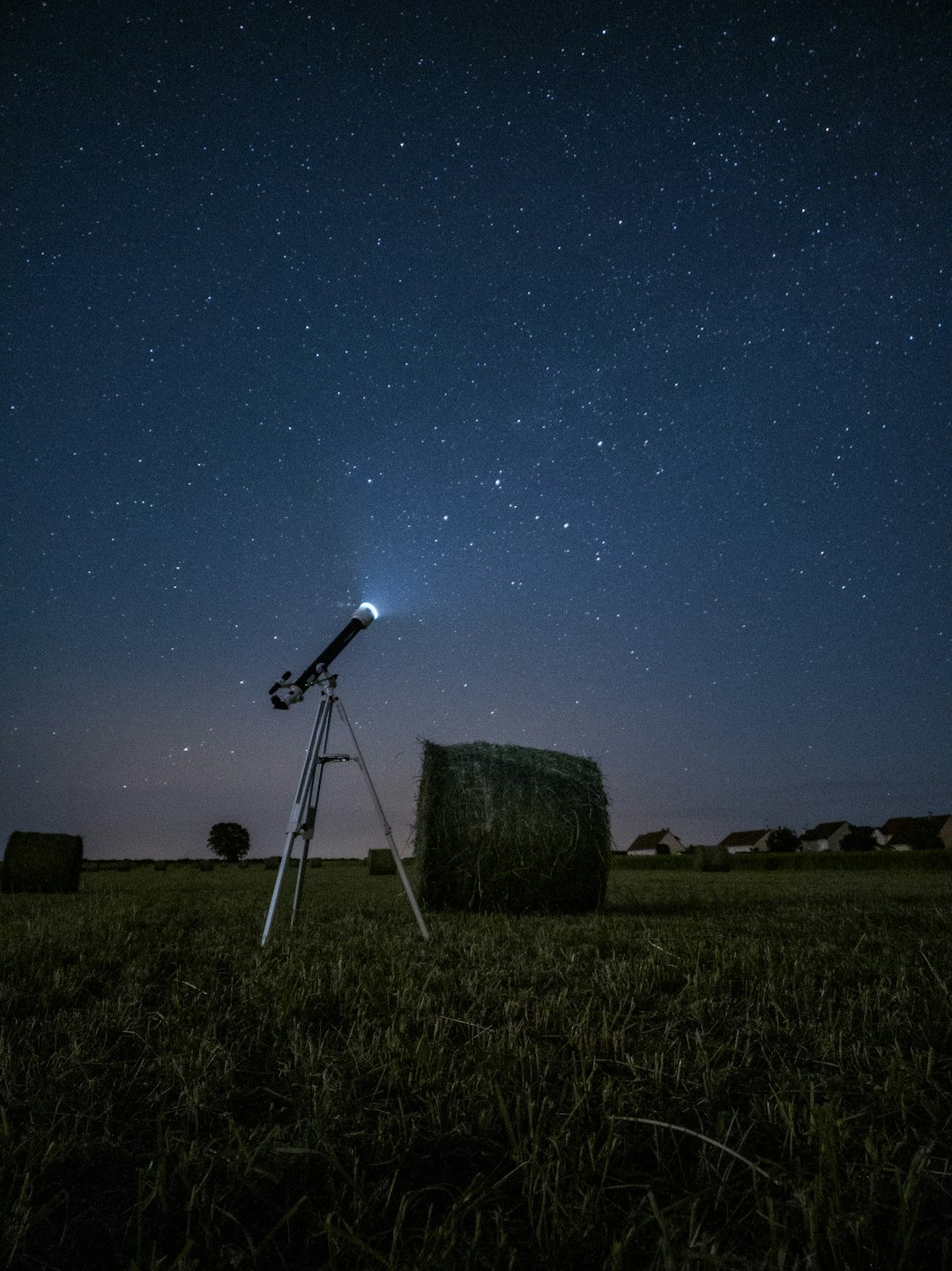
The most common beginner mistake is using a telescope or binoculars. Meteors move rapidly and cover large swaths of the sky, so the human eye is your best instrument. It takes about 20 to 30 minutes for your eyes to fully dark-adapt, so avoid checking your phone or using bright white flashlights during this period.
When observing meteor showers, the goal is not to stare at a fixed point, but to maintain a wide, soft gaze across the entire expanse of the sky. Let your eyes wander naturally.
Keep a physical logbook or a digital voice recorder to document the time, estimated brightness (magnitude), and direction of each meteor. Use a reliable meteor shower calendar to identify peak activity times, such as the Perseids in August or the Geminids in December, which offer the highest frequency of sightings.
Common Mistakes and Expert Tips
Many beginners feel discouraged if they do not see a meteor in their first ten minutes. Remember that meteor showers are episodic; there can be long lulls followed by sudden bursts of activity. Patience is your most important tool. Do not try to count every single speck of dust; focus on the ones that leave clear, lasting trails.
- Do not stare directly at the radiant (the point in the sky from which meteors appear to originate). You will see more meteors if you look about 30 to 40 degrees away from the radiant.
- If you want to contribute to professional science, consider submitting your observations to the International Meteor Organization (IMO) online database.
- Always use a red-light headlamp or flashlight; red light preserves your night vision, while white light will force your eyes to restart the 20-minute adaptation process.
The art of meteor counting is a meditative process that connects you to the mechanics of the solar system. By stepping away from the artificial glow of modern life and engaging with the celestial rhythms, you gain a profound sense of perspective. Start with one major shower, and you will soon find yourself planning your entire calendar around the movements of the stars.