The Orchard of Bitter Fruit
Investing in Barren Ground
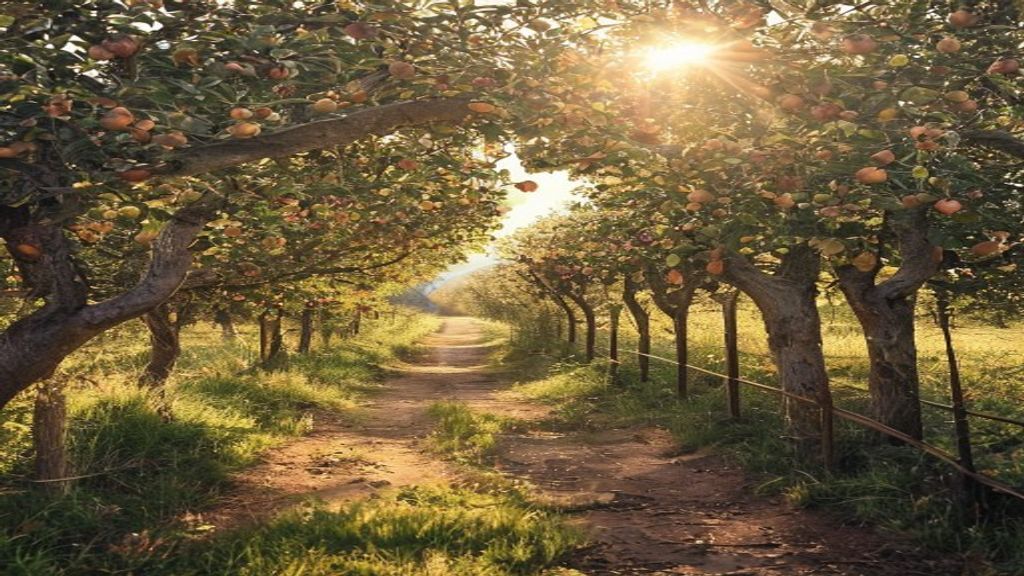
When I bought the abandoned, rocky plot at the edge of the village, everyone laughed. Nothing had grown there for decades. I spent every cent of my savings—money meant for a down payment on an apartment—on irrigation, soil enrichment, and hundreds of saplings. My hands were calloused, and my back ached every night, but I could see the harvest in my mind. I wasn't just planting trees; I was building a future.
Neighbors would lean against the fence, not to offer a hand, but to mock. They said, "Why waste your time, boy? This land is cursed." I would just smile, wipe the sweat from my brow, and keep pruning. Five years later, the orchard bloomed. When the first harvest arrived, vibrant and heavy, I invited the whole village to celebrate. I thought I was sharing my success; I didn't realize I was unveiling a prize they now wanted for themselves.
The Price of Betrayal
The next morning, the mayor arrived with two deputies. They claimed the land belonged to the commune and that I had "illegally seized" it. My original deed, which I kept in a locked drawer, had vanished. The neighbors I had fed and toasted just days before began to testify against me. They claimed I had stolen the land from their ancestors. It was a lie so practiced, it sounded like truth.
Justice often hides where we least expect it, but it never forgets the truth of the soil.
They evicted me from the garden I had brought back to life. They carved it up into small, inefficient patches, intending for everyone to have a piece. I left with nothing but a bag of clothes and a heavy heart. I moved to the city, working night shifts and living in a basement, but I never stopped fighting. I saved every penny to hire a lawyer who could track down the original, un-tampered archives in the provincial capital.
The Orchard Returns
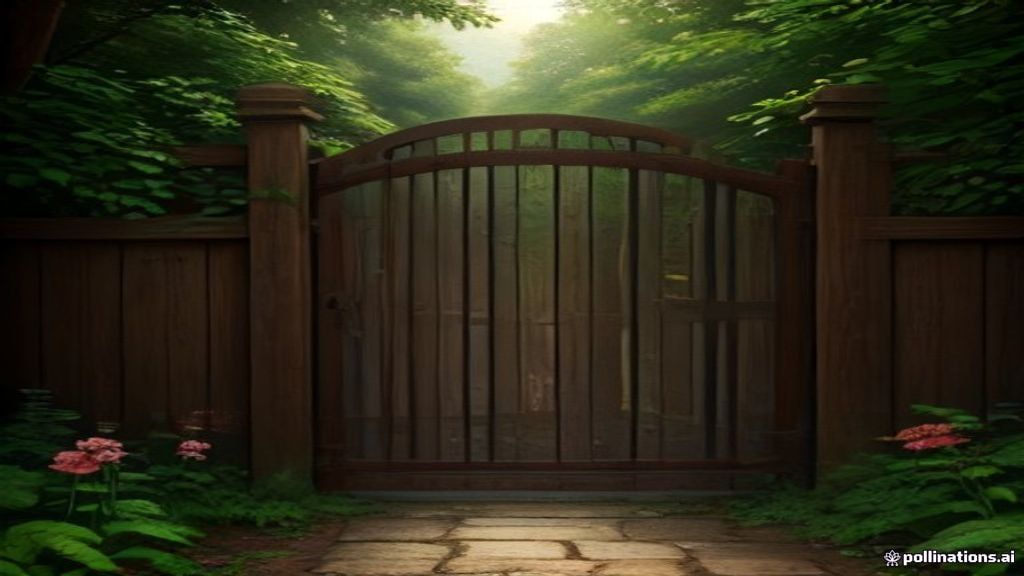
When I returned to the village three years later, the orchard was dying. The villagers didn't know how to prune, didn't understand the soil chemistry, and had let the irrigation pipes rust. They were fighting over the scraps of a failing crop. When the court order was finally served and the land was returned to my name, the mayor came to my gate, hat in hand, begging to "manage" the orchard for me.
I looked into his eyes, which were filled with greed and desperation. He wanted to work the land again, hoping to save his own dwindling income. I replied quietly, "This land is closed. I am rewilding it." They left with their heads bowed, realizing that what they had destroyed was beyond their power to reclaim. Now, as I sit in the shade of my trees, I know that justice is quiet, but it is absolute.