The Ink That Never Dried
When my brother asked me to sign as a guarantor for his business, I never imagined it would cost me the roof over my head.
The Price of Blind Trust
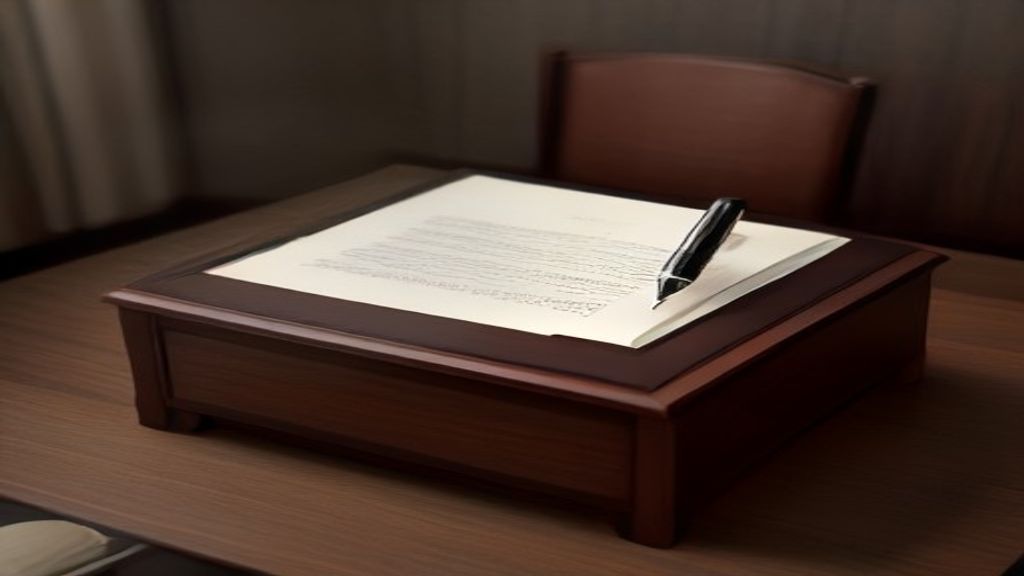
When my brother, Arthur, walked into my flat with a stack of papers, he wore the look of a man who had finally found his salvation. He laid them out on my kitchen table, pointing at the signature lines with a steady, confident finger. 'Just a formality, brother,' he said, his voice smooth as polished stone. 'My business just needs a temporary boost, and I’ll have this cleared before the month is out. You’re just helping me get back on my feet.' I signed. I didn't read the fine print because we had shared everything since childhood. I didn't know I was signing over the deed to my own home.
A month later, Arthur was gone. The bank notice arrived on a Tuesday, delivered by a man in a crisp suit who didn't even look me in the eye. My world didn't just break; it dissolved. I called Arthur’s phone, but it went straight to voicemail. I reached out to our cousins, the ones who always came over for Sunday dinner. They looked at their feet, muttered about 'business being business,' and walked away. The injustice felt like ice water poured down my spine—a betrayal by the very people who had eaten at my table for a decade.
Holding the Ground
I didn't scream, and I didn't beg. I went to the bank, saw the debt, and felt the weight of it crush the air out of my lungs. Instead of giving up, I took a second job, then a third. I worked until my hands shook and my eyes burned. I turned my flat into a fortress of austerity. Every penny went toward the debt, not because I owed it to the bank, but because I refused to let my brother's greed be the last word in my story. I lived in that apartment for three years as if I were a squatter in my own life, paying off a balance that felt like blood money.
Injustice is a fire that either consumes you or hardens the steel of your resolve. I chose the steel.
Years passed, and through sheer, relentless labor, I cleared the debt. My bank account, once empty, grew. Meanwhile, Arthur’s venture had imploded. His 'partners' had fleeced him, and he had been left with nothing but a suitcase and a trail of broken bridges. He showed up at my door on a rainy evening, his clothes threadbare, his arrogance replaced by a hollow, desperate hunger. He looked at the flat, then at me, expecting a handout or a lecture.
The Tables Turned
I let him in. He sat on the same chair where he had once lied to me. He expected anger, perhaps a physical confrontation. Instead, I poured two cups of tea and laid out the documents—the very ones he had manipulated me into signing. I had long since paid them off, and in the process, I had bought the controlling interest in his failed company’s assets. I owned his failure, and I owned the roof he was standing under. He went pale, realizing the scale of the shift.
I didn't throw him out. I offered him a job in the warehouse I now owned, at the lowest possible wage. 'You took my home,' I told him, 'now you will work to understand the cost of a roof and a meal.' He didn't argue. There was no fight left in him, only the heavy silence of a man who finally understood the weight of his own actions. He took the job. He works hard now, perhaps harder than he ever did when he was 'chasing dreams' at my expense.
He looks at me differently these days, with a mix of shame and a strange, newfound respect. He knows I didn't do this out of cruelty, but out of necessity. I didn't want revenge; I wanted the ledger balanced. Now, he knows the value of every dollar he earns, and I sleep in my own home, knowing exactly who is behind the door.
Is there any bridge worth burning if you don't know who is waiting on the other side?