The Inheritance of Frozen Orchards
The Ungrateful Burden
I still remember the scent of the soil in my father’s orchard when the frost began to break. For years, I was the only one left in the village, tending to aging parents and an orchard that the rest of the family treated as a forgotten relic. My siblings had long moved to the city, chasing easy money, leaving me to pay the taxes and mend the fences. When my father passed, they didn't come to grieve; they arrived with a lawyer and a list of demands, expecting to carve up the land I had kept alive with my own sweat and meager savings.
The Cost of Betrayal
"You have no claim here, this is family property," my eldest brother, Armen, spat when I suggested that my years of labor deserved some recognition. They ignored my sacrifice, looking past me as if I were merely a caretaker they could dismiss at will. They didn't know that while they were busy living their lives, I had been busy securing my future. I had legally transferred the deeds into my own name years ago, as compensation for the care I provided when they were nowhere to be found. They had signed away their rights in a letter they barely remembered writing.
Truth is often like a frozen spring; it flows silently beneath the ice until the moment the thaw reveals everything.
The Turning of the Tables
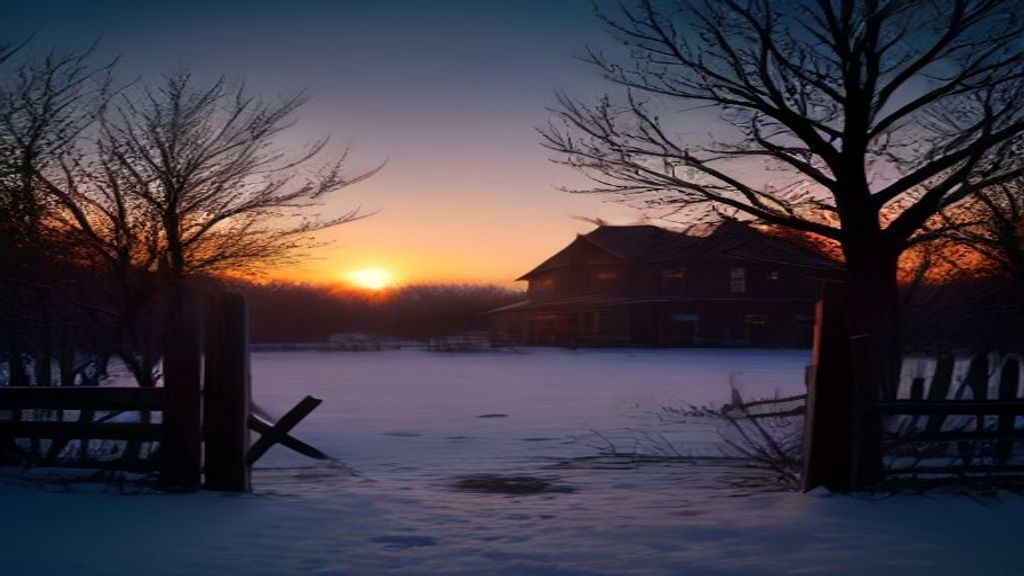
Years later, when their city ventures collapsed and their bank accounts hit zero, they returned with smiles that didn't reach their eyes. They arrived at the farmhouse, expecting to sell the land to settle their mounting debts. I met them at the gate, the very same gate they had tried to push me out of years ago. I didn't need to shout; I simply held up the documents, the ink dry and the laws clear. The land was mine, and by extension, their claims were nothing more than echoes of a past they had discarded.
- They had lost their status, their homes, and their pride.
- They expected me to be the "dutiful" one who would save them.
- I chose to be the one who closed the gate.
They stood in the biting wind, pleading for a piece of land they had never loved, only coveted. I didn't give them a single inch. My answer was simple: you reap what you sow. As I watched them walk away toward the empty road, I felt no guilt, only the quiet satisfaction of a debt settled by time itself. Now, when I look out over the blooming trees, I wonder: is it truly a victory if there is no one left to share the fruit with?