The Clockmaker and the Empty Safe
The Sound of Ticking Betrayal
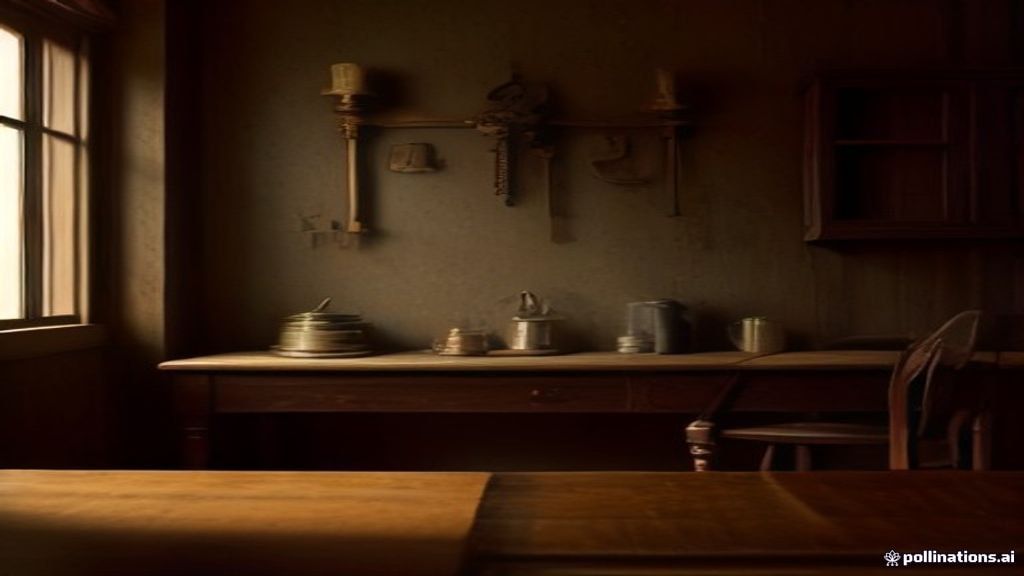
The funeral had barely ended when my brother, Simon, and his wife, Clara, began measuring the walls of my father's workshop for shelving. I was still clutching the heavy brass key to the floor safe, the one my father had pressed into my palm three hours before he passed. It was a cold, weighted object, smelling faintly of machine oil and peppermint. 'We need to liquidate the assets by Tuesday,' Simon said, not looking at me. He was already scrolling through his phone, checking the market price for antique horological tools.
I told them the tools weren't for sale—that my father wanted the shop to remain a workspace for the neighborhood apprentices. Clara laughed, a sharp, brittle sound that cut through the silence of the room. She pointed at the safe. 'Just open it, Elias. We know he kept his liquid savings in there. Don't play the martyr. You were always the favorite, so just hand over the combination or open the lock. We have debts to settle.'
The Weight of the Expected
They didn't wait for me to agree. They moved into the house, occupying the spare rooms, treating me like a squatter in my own childhood home. Every morning, the question was the same: 'Have you opened it yet?' They stopped pretending to grieve. They spent their evenings drinking expensive wine in the parlor, loud and arrogant, discussing how they would split the inheritance. They even began to tell people I was hiding the combination to steal the contents for myself.
I spent my nights in the workshop, cleaning the clocks my father had left unfinished. I didn't open the safe because I knew what was inside. I didn't need to look. My father had told me, 'Elias, the safe holds the measure of a man.' When I finally went to the local lawyer, I found out they had already tried to contest the will, claiming I had exerted undue influence. The betrayal felt like a dull ache in my chest, a constant pressure that made it hard to breathe.
The Illusion of Wealth
One Tuesday, they finally cornered me. Simon grabbed my arm, his face flushed with rage. 'Open it, or we call the police and claim you’re stealing from the estate.' I took the key from my pocket. It felt light now, almost insignificant. I led them to the workshop, the floorboards creaking under our feet. I slid the key into the heavy iron door of the safe and turned it. The mechanism clicked with a satisfying, precise sound—the sound of a thousand tiny teeth aligning perfectly.
The value of a legacy is not found in the metal of the safe, but in the patience required to wind the spring.
The door swung open. They pushed past me, their eyes wide with avarice. They looked for bundles of cash, gold coins, or bearer bonds. They found nothing but a thick, leather-bound ledger and a single, rusted brass spring. Simon grabbed the ledger, his hands shaking. He flipped through the pages, expecting bank account numbers. Instead, he found years of meticulous records detailing the money my father had secretly loaned to him over two decades—loans Simon had sworn he never took.
The Final Ticking
The ledger didn't just list the money. It listed the consequences. It contained signed promissory notes for every car, every failed business venture, and every 'emergency' Simon had begged for. Because my father had kept these records and legally attached them to the estate, the total debt Simon owed exceeded the value of the house and the workshop combined. The law was clear: the debt was owed to the estate, and since I was the executor, I held the pen.
I watched as their faces drained of color. The greed that had fueled their cruelty turned into a cold, paralyzing dread. They weren't there to collect an inheritance; they were there to pay for their entire adult lives. I didn't shout. I didn't gloat. I simply closed the heavy iron door. 'The house is mine,' I said quietly. 'And you have until Friday to vacate the property, or I will hand this ledger to the creditors.'
They left within forty-eight hours, leaving behind nothing but the scent of stale wine and broken promises. I spent the next month finishing the last clock my father had started. It keeps perfect time now, steady and rhythmic, a reminder that some things cannot be rushed, and some debts are never truly buried. I often wonder if they still check their own safes, hoping to find a miracle, or if they finally realized that the only thing holding them together was the clockwork of their own deception.