The Garden of Stolen Shadows
My neighbors didn't just move the fence; they tried to erase my history. But they forgot that roots run deeper than concrete.
The Boundary Invasion
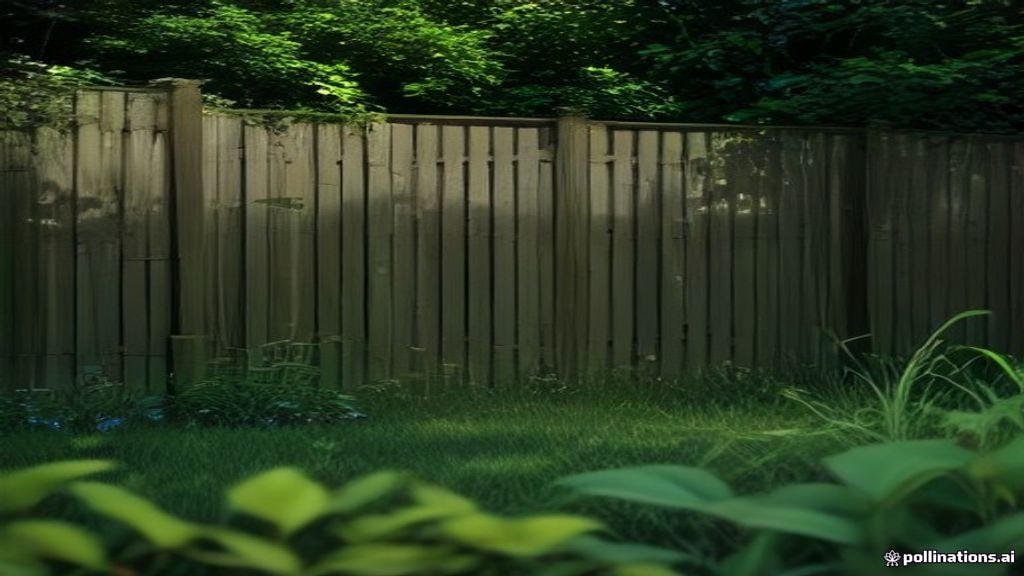
It started on a Tuesday, when I returned from work to find my garden fence had been shifted inward by exactly six feet. My neighbor, Mr. Aris, was standing on his porch, casually smoking. When I approached him to ask what was happening, he looked at me as if I were a stranger on my own land. "You're misremembering, neighbor," he said, not even taking the cigarette from his mouth. "This land has always been ours; you were just encroaching on it all these years."
It was a lie, and he knew it. My grandfather had planted those trees; my father’s hands had built that fence. But the following week, they brought in contractors who began tearing out my rose garden, claiming it was an "illegal structure." I tried to protest, but they laughed, calling me senile, and began mocking me to the rest of the street. I was left alone in the fight, while the other neighbors chose to look away, terrified of Aris’s influence.
The Price of Silence
I didn't argue. I didn't shout. I simply went to the archives. For months, I pored over ancient maps and property deeds, searching for the one document that could prove the truth. Meanwhile, they continued to expand their territory, building a massive concrete wall that blocked the morning sun from my kitchen. They thought I had given up. They even invited me over for tea in their "new" garden once the work was done, mocking my quiet demeanor and my lack of fight.
Truth never dies; it simply waits for its moment to surface, hidden in the dust of neglected records.
Turning the Tables
When the court notice finally arrived, the color drained from Aris’s face. It turned out that the massive concrete wall he had built wasn't just on my property; it sat directly over the city’s primary drainage artery, a major violation of municipal code. It wasn't just illegal; it was a structural hazard. The city council ordered the immediate demolition of not just the wall, but the entire new guesthouse he had built, which had never been properly permitted.
Aris came to my door, eyes red and voice trembling, begging for a "settlement." "We're neighbors, aren't we?" he pleaded. I looked at him, then looked past him at my garden—the one where my grandfather’s roses were finally starting to bloom again. I didn't say a word. I simply closed the door. The next day, the bulldozers arrived, and his life began to crumble, just like the concrete wall he had built with such pride.
In the end, the land always remembers its true owner, and people always remember their mistakes, usually just when it is far too late to fix them.