The Fountain of Dry Promises
The Betrayal of Old Stones
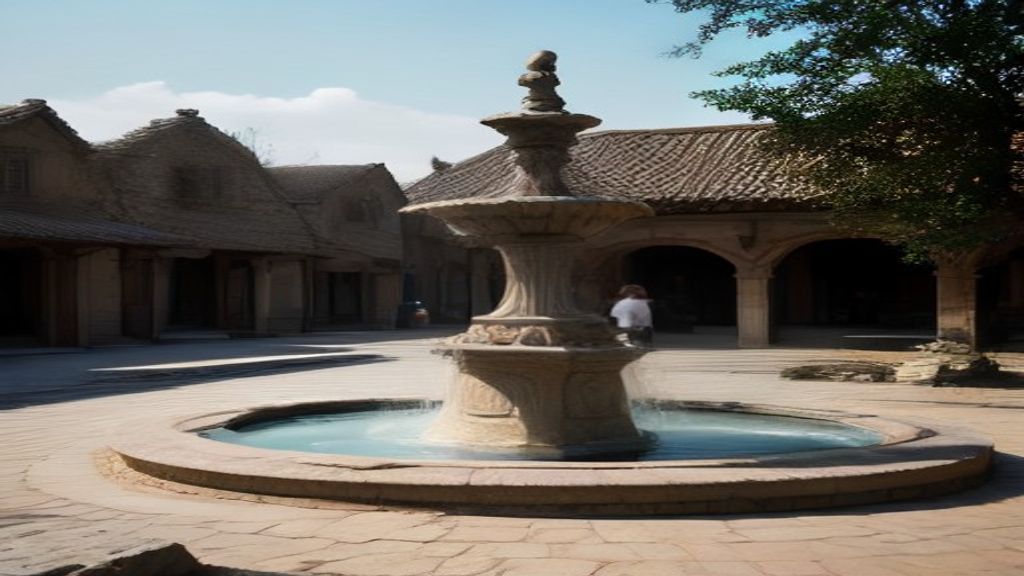
I returned to my home village with one goal: to restore the central square's ancient, crumbling fountain. I spent my savings, gathered over ten years of hard labor in the city, on materials, stonemasons, and engineers. The villagers, smiling at first, promised to help. But as soon as the work began, the whispers started. It was then that my childhood friend, Hrach, now a village council member, turned against me, claiming I had illegally occupied the land.
"You have nothing here, Aram," he said, meeting me in the square while I stood there with mud-stained hands. "This land belongs to the community, and this structure of yours is just an eyesore that blocks the path." They all went silent, and soon they began accusing me of damaging the water pipes, even though I had paid for their repair out of my own pocket. I was left alone with my project, and the stone basin of the fountain remained empty and dry.
The Strength of Silence
I didn't argue. I just kept working, even when they threw stones at my newly built walls during the night. The money I had saved was long gone; I was forced to sell my father's old house to finish the job. The villagers mocked me, calling me the "foolish builder." Hrach publicly declared that the fountain should be torn down as an "alien element" that ruined the look of the village.
The greatest injustice is not being betrayed; it is being forced to justify yourself for doing a good deed.
The Return of the Water
One day, as I was putting the final touches on the fountain, the village water supply failed completely. Due to decades of neglect, the old pipes had burst. But my system, which I had designed independently of the main grid using a mountain spring, suddenly came to life. The fountain began to flow—clear, cold, and abundant. The villagers, parched and desperate, suddenly realized that the only water in the entire village was in the fountain I had built.
The Tables Turned
Hrach came to me the next morning, his head bowed. He asked me to allow them to connect to my system. I looked at him, then at the people who had been throwing stones at me just yesterday. I didn't chase them away, but I set a condition: the fountain would remain in my name, and everyone who used the water had to work for one hour a day on the maintenance of the square. They agreed, because they had no other choice.
Now, when I walk through the square, I see them working with their heads down. They learned to respect what they once tried to destroy. And I often ask myself—was the water purer, or was the lesson they learned?