The Boundary of Bitter Salt
When my neighbor built a wall over my land, I stayed silent, waiting for the earth to reveal the truth.
The Alienation Behind the Fence
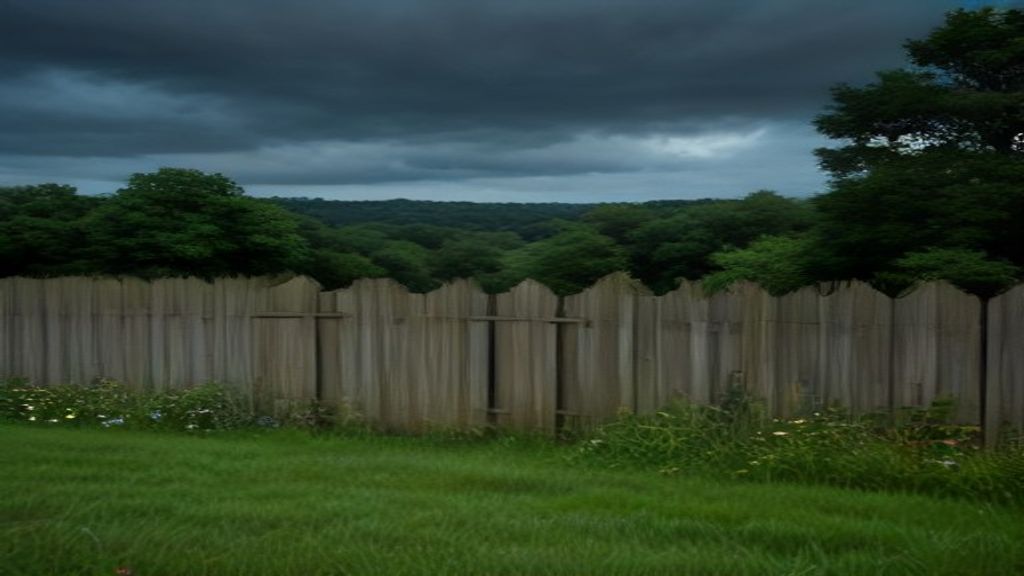
It began with a simple measurement that my neighbor, Arthur, decided to take on his own. The old wooden fence separating our properties had rotted away years ago, and one morning, I woke up to the sound of workers driving concrete posts directly into the center of my garden. When I went outside to ask what was happening, Arthur wouldn't even look me in the eyes. He just said, "The surveyor said this is my land, and you've been encroaching on it for years."
It was a lie. My grandfather had built this house, and we had known the boundary line for generations. But Arthur was a new arrival with money, a team of lawyers, and all the tools of local bureaucracy. He cut five meters out of my garden, including my favorite apricot trees. The rest of my family urged me to stay quiet. "Don't fight someone with that much power, it's better to live in peace," they said. But I knew it wasn't just land; it was a piece of my identity.
The Cost of Silence
For the next few months, I lived in my own home like an outsider. They built a high, cold stone wall that blocked the light from my living room window. Every noise, every muffled conversation from the other side of that wall served as a reminder of my defeat. I spent my days working at the local library, surrounded by books, only to return home to stare at that gray, lifeless barrier.
Justice often wears the mask of patience, waiting for the exact moment when the truth can no longer be buried.
I began to research old property maps. Not the modern digital files that Arthur had likely paid to have manipulated, but the archival records from the Soviet era, kept by a retired surveyor in the next village. There, on yellowed, brittle paper, I found the location of the old well and the original drainage channel. It turned out that the true boundary between our plots was not the imaginary line Arthur had drawn, but the underground stone water conduit that ran beneath the very center of his new wall.
The Tables Turn
Months later, a severe rainstorm hit the village, and Arthur's house faced a disaster. A major pipe burst, and the heavy stone wall he had built began to crack exactly where it crossed the old drainage path. The water had nowhere to go but into his foundation. He came to my door, desperate and humbled. "The water is flooding my basement, we need to tear down the wall to reach the drainage point!" I sat on my porch, calmly sipping tea, watching him.
- I produced the archival maps.
- I showed him that his entire structure was built over a protected utility line.
- I set the terms: he would tear down the wall at his own expense and restore the original boundary, or I would present these documents to the city inspector.
He tried to threaten me, but when he realized the flooding would destroy the expensive equipment stored in his basement, he folded. As the workers tore down the wall, he stood beside me, defeated. My apricot trees finally received their sunlight again.
Must boundaries always be marked by stone, or do they truly live in the integrity of what we refuse to let go?