The Neon Noir: A Spicy Gochujang Tofu Ritual
The Soundtrack of the Night
There is a specific kind of magic that occurs when the clock strikes midnight and the world outside the window turns into a blur of neon streaks and rain-slicked pavement. This is the time for the Neon Noir, a culinary ritual inspired by the high-contrast aesthetic of cult-classic cinema. It is a dish that demands attention, balancing the deep, fermented heat of Korean gochujang with the satisfying, glass-like crunch of perfectly seared tofu. Whether you are working on a late-night creative project or simply unwinding after a long day, this meal serves as the perfect fuel for introspection and bold flavor.
To create this dish, you don’t just cook; you compose. The interplay of textures—the crisp exterior of the tofu yielding to a soft, custardy interior—mirrors the complexity of the characters in the films that inspired this ritual. It is a dish designed for those who appreciate the beauty of a well-lit alleyway and the comfort of a spice that warms the soul without overwhelming the senses.
The Components of the Ritual
Preparation is the most important part of this process. You will need high-quality ingredients to ensure the sauce achieves that signature sticky, glossy sheen that catches the light like a city sign.
- 1 block (14 oz) extra-firm tofu, pressed for at least 30 minutes
- 3 tbsp cornstarch
- 2 tbsp neutral oil (grapeseed or avocado work best)
- 2 tbsp gochujang (Korean chili paste)
- 1 tbsp soy sauce
- 1 tbsp rice vinegar
- 1 tbsp maple syrup or honey
- 2 cloves garlic, finely minced
- 1 tsp grated fresh ginger
- Green onions and toasted sesame seeds for garnish
The Process: Searing the Shadows
- The Press: Wrap your tofu in a clean kitchen towel and place a heavy skillet or a stack of books on top. This is non-negotiable; removing the moisture ensures the tofu achieves that deep, golden crust rather than steaming in the pan.
- The Dredge: Cut the pressed tofu into bite-sized cubes. Toss them in a bowl with cornstarch, salt, and black pepper until every side is lightly coated. The cornstarch is the secret to the shatteringly crisp exterior.
- The Sear: Heat the oil in a large non-stick or cast-iron skillet over medium-high heat. Add the tofu in a single layer, ensuring they don't touch. Fry for about 3–4 minutes per side until each cube is bronzed and structural.
- The Alchemy: While the tofu crisps, whisk the gochujang, soy sauce, rice vinegar, maple syrup, garlic, and ginger in a small bowl. Once the tofu is ready, pour the sauce directly into the hot pan.
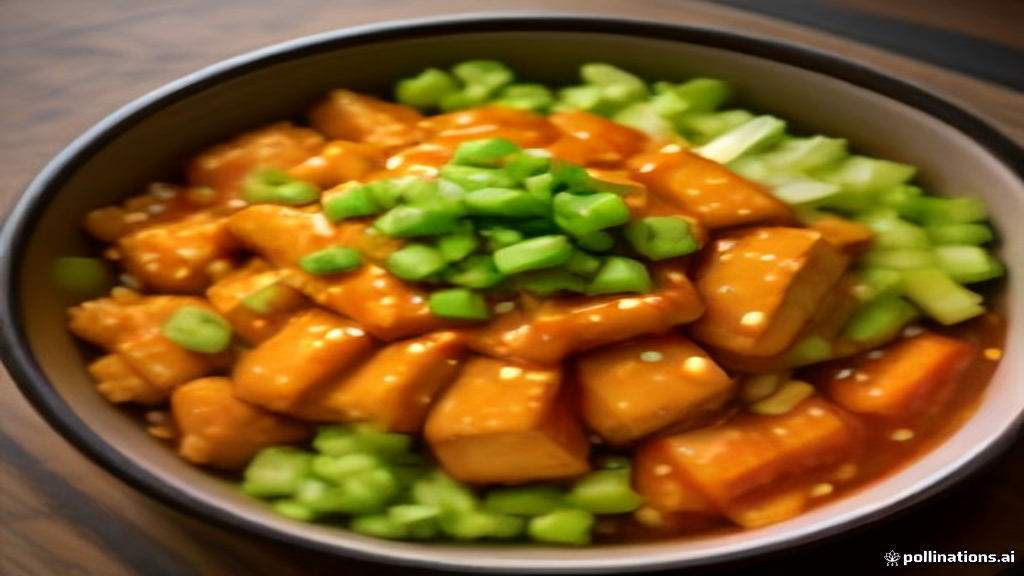
- The Glaze: Toss the tofu quickly as the sauce bubbles and reduces into a thick, sticky lacquer that coats every surface. This should take no more than 60 seconds.
The secret to the perfect glaze is timing. If you leave the sauce on the heat for too long, the sugars in the gochujang will caramelize past the point of no return. You are looking for a glossy, vibrant finish that clings to the tofu like a neon glow.
Serving and Variations
This dish is best served over a bed of fluffy jasmine rice or cold, sesame-slicked noodles to contrast the heat of the tofu. If you want to deepen the experience, add a side of quick-pickled cucumbers or a handful of stir-fried baby bok choy. The acidity of the pickles cuts through the richness of the spicy sauce, making every bite feel fresh and exciting.
For a different take, try adding a splash of toasted sesame oil at the very end for a nutty aroma, or incorporate a handful of peanuts for an extra layer of crunch. If you prefer a more protein-heavy approach, you can swap the tofu for seared shrimp or thinly sliced pork belly, following the exact same searing and glazing technique. Regardless of your choice, the result is a meal that feels like a scene from a movie—dark, vibrant, and entirely unforgettable.
As you sit down to eat, let the silence of the night be your soundtrack. This is not a meal to be rushed; it is a ritual to be savored. By the time you reach the final, sauce-drenched piece of tofu, you will understand why the Neon Noir is a staple for the midnight dreamer. It is proof that simple ingredients, when treated with precision, can result in something truly cinematic.