The Monk’s Chestnut & Honey Soup: A Medieval Meditation

The Taste of History in Your Kitchen
When we reflect upon the medieval monasteries of Europe, we often conjure images of thick stone walls, flickering candlelight, and the rhythmic chant of silent prayers. Yet, these monastic kitchens were vibrant hubs of culinary innovation, where humble, earth-grown ingredients were transformed into soul-nourishing sustenance. The chestnut, frequently heralded as the bread of the mountains, was a dietary cornerstone for centuries. This soup is more than just a meal; it is a bridge to a slower, more deliberate way of living.
This recipe is inspired by ancient manuscripts found in monastic archives, emphasizing the integrity of raw ingredients and the patient art of simmering. The earthy, deep sweetness of the chestnuts finds a perfect counterpoint in the floral notes of wild honey, creating a flavor profile that is both grounding and ethereal. It is a dish that invites you to put down your phone, quiet your mind, and simply enjoy the process of transformation from raw nut to liquid gold.
The Essential Ingredients
- 500g roasted and peeled chestnuts
- 1 large white onion, finely diced
- 2 tablespoons high-quality unsalted butter
- 1 liter high-quality vegetable stock
- 2 tablespoons raw wildflower honey
- A pinch of dried thyme
- Sea salt and freshly cracked black pepper to taste
The Ritual of Preparation
- In a heavy-bottomed pot, melt the butter over medium heat. Add the diced onions and sauté slowly for 8-10 minutes. The goal is to achieve a translucent, soft texture without excessive browning, as this provides the sweet foundation for the soup.
- Add the roasted chestnuts and the pinch of thyme. Stir them gently for 3-5 minutes, allowing the nuts to absorb the buttery aroma of the onions.
- Pour in the vegetable stock and bring to a gentle simmer. Reduce the heat and let the mixture develop for 20 minutes. This slow simmer is crucial for the chestnuts to soften fully.
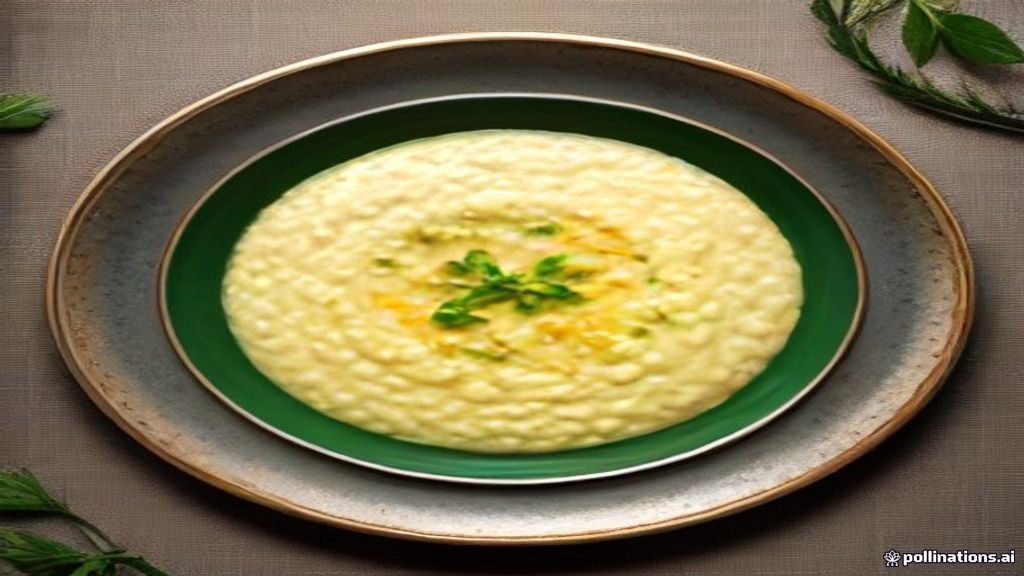
- Using an immersion blender, process the mixture until it reaches a perfectly smooth, velvet-like consistency. If it appears too thick, add a splash of warm water or more stock.
- Stir in the wildflower honey, then adjust the seasoning with salt and pepper. The honey should not make the soup a dessert, but rather highlight the natural sweetness of the nut.
The secret to this soup lies in its texture. A true monastic soup should feel substantial yet light, clinging to the spoon without being heavy. If you desire a deeper complexity, consider adding a tablespoon of apple cider vinegar at the very end to cut through the richness.
Serving Suggestions and Variations
This soup is best enjoyed with a slice of crusty, sourdough bread that has been slightly warmed and buttered. The contrast between the crunchy bread and the silky soup is essential to the experience. For a more decadent touch, you may stir in a tablespoon of heavy cream just before serving, though the traditional version relies solely on the natural emulsification of the chestnuts.
If you wish to experiment, a sprinkle of toasted pumpkin seeds or a tiny chiffonade of fresh sage can provide a modern, textural contrast. Regardless of how you choose to serve it, remember that this is a dish rooted in silence and gratitude. May this ancient recipe bring a sense of profound stillness to your evening, reminding you that even the simplest ingredients, treated with care, possess a quiet, enduring brilliance.