The Golden Saffron Tahdig: A Masterpiece of Persian Rice
Why Tahdig is the Soul of Persian Hospitality
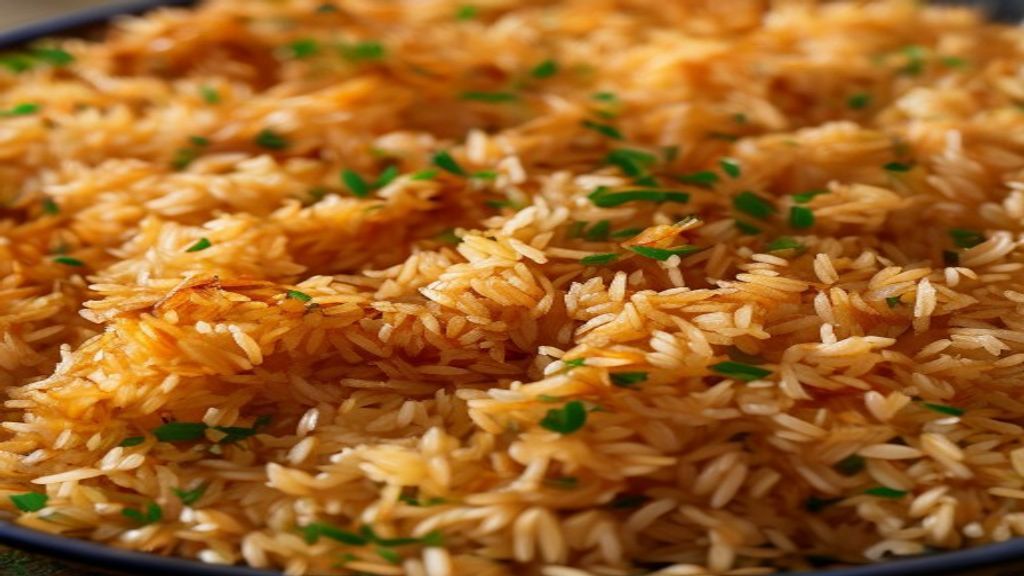
In the heart of every Persian kitchen, there is a rhythmic clinking of spoons and the anticipation of something extraordinary. Tahdig, literally translating to 'bottom of the pot,' is not merely a side dish; it is a culinary performance. It is the prized golden layer of crispy rice that forms at the base of the pot during the slow-steaming process. Achieving the perfect balance between the fluffy, saffron-infused grains on top and the shatteringly crisp, buttery crust at the bottom is a rite of passage for any home cook.
The magic lies in the patience. Unlike western methods of boiling rice, the Persian technique involves parboiling the basmati until it reaches a precise 'al dente' texture, then returning it to a pot layered with fat and aromatics. The result is a textural symphony: a soft, aromatic cloud of jasmine-scented rice atop a savory, crunch-inducing golden foundation that guests will fight over.
The Essential Pantry
- 2 cups high-quality Basmati rice
- 1/2 teaspoon premium saffron threads
- 3 tablespoons warm water
- 4 tablespoons Greek yogurt (for the crust base)
- 1/2 cup clarified butter or high-quality ghee
- 1 tablespoon sea salt
The Ritual of Preparation
- Begin by rinsing your basmati rice in cold water until the water runs completely clear. This removes excess starch, ensuring the grains remain separate and fluffy rather than gummy. Bring a large pot of salted water to a boil and parboil the rice for about 6-8 minutes. Drain immediately.
- Grind your saffron threads with a pinch of sugar using a mortar and pestle. Dissolve the powder in the warm water. In a separate bowl, mix about one-third of the parboiled rice with the yogurt and the dissolved saffron. This mixture will become the golden foundation.
- Heat half of the clarified butter in a non-stick heavy-bottomed pot. Spread the yogurt-saffron rice mixture evenly across the base. Pile the remaining white rice on top, shaping it into a gentle mound. Use the handle of a wooden spoon to poke a few steam vents through the rice.
- Wrap the lid of the pot in a clean kitchen towel (to absorb condensation) and cover the pot tightly. Cook on medium-low heat for 45-50 minutes. The sound of a faint crackling tells you the crust is forming perfectly.
The secret to a successful Tahdig is the towel-wrapped lid; it prevents steam from dripping back onto the rice, ensuring the top remains fluffy while the bottom becomes a crisp, golden masterpiece.
Serving and Variations
To serve, remove the lid and place a large flat platter over the pot. With a confident, fluid motion, invert the pot onto the platter. If you have done it correctly, you will be rewarded with a perfect, golden-brown cake of rice that holds its shape. Garnish with a sprinkle of dried barberries or slivered pistachios for a vibrant pop of color.
For a variation, place thin slices of parboiled potato or even sheets of lavash bread at the very bottom of the pot before adding the rice. This creates an even thicker, crunchier base that is incredibly satisfying. Serve your Tahdig alongside a bowl of thick, chilled yogurt and a salad of fresh herbs to balance the richness of the buttery crust. It is a dish that demands conversation, patience, and a deep appreciation for the art of slow cooking.