The Silent Cartography of Interstellar Dust: Why the Smallest Bits Rule the Cosmos
We often look at the night sky and imagine an infinite, empty blackness, punctuated only by the brilliance of distant stars. Yet, from the perspective of astrophysics, that void is far more crowded than we can fathom. The universe cannot exist without interstellar dust—those tiny, almost invisible particles that drift between galaxies. This is the story of how the smallest fragments of matter dictate the evolution of the largest structures in existence.
The Creative Force of Cosmic Dust
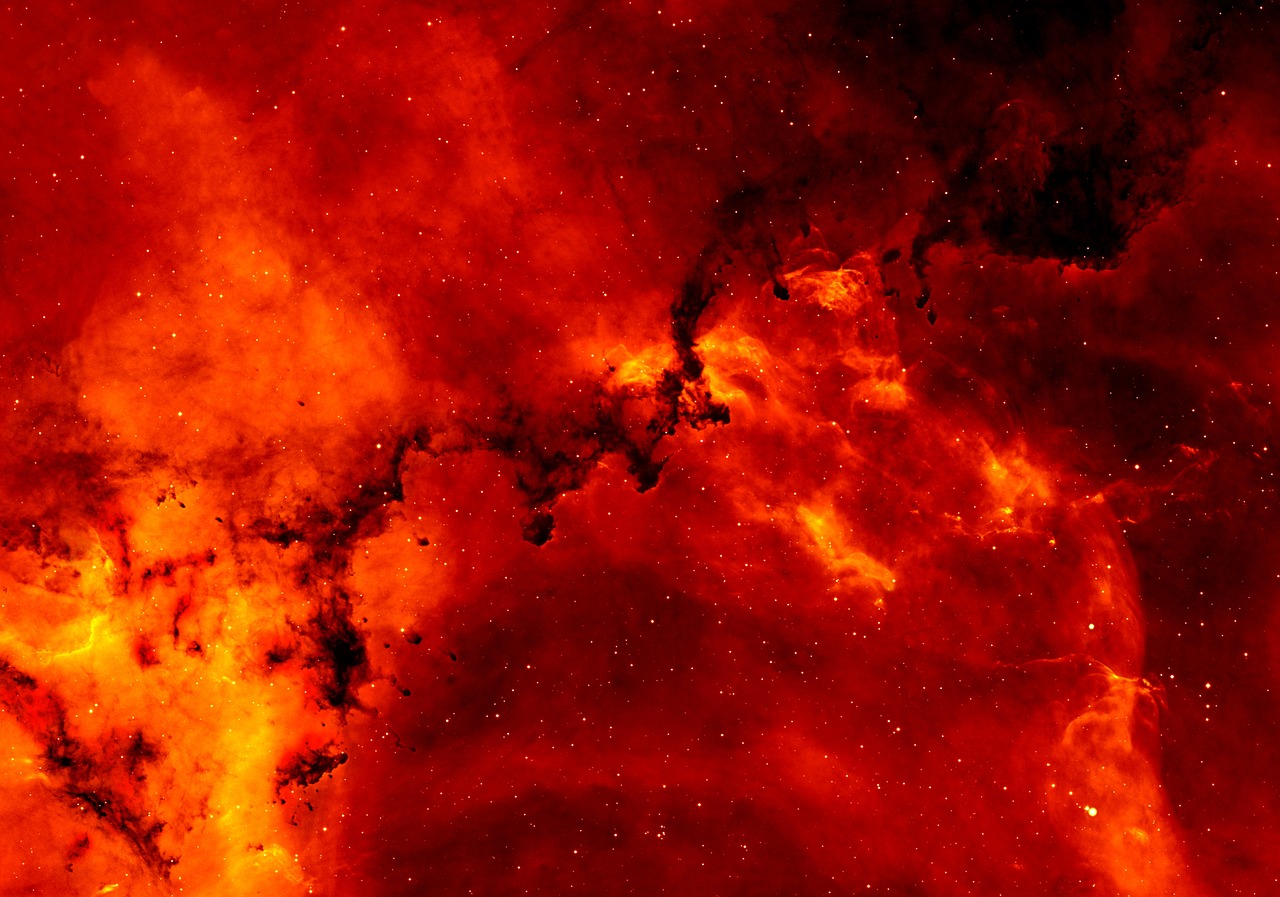
Interstellar dust is not merely a nuisance for telescopes trying to peer into the deep universe. It is the raw material from which stars, planets, and eventually, us, are composed. This dust is forged in the violent deaths of stars, as heavy elements are scattered across the vastness of space. It is the architect of the cosmic landscape.
- Silicates and carbonaceous compounds form the structural heart of the grains.
- Complex organic molecules cling to these surfaces, potentially seeding life.
- Icy mantles protect delicate chemical reactions from harsh radiation.
Without this dust, stars would struggle to form, as it acts as a coolant for gas clouds, allowing them to collapse and ignite. As astrophysicists often remark, we are all literally made of star-stuff, but it is the dust that bridges the gap between the chaotic death of a star and the birth of a new world.
Interstellar dust is the carrier of the universe's memory. It preserves the secrets of the past, waiting for the right frequency of light to reveal them.
The Shielding and Veiling of Light
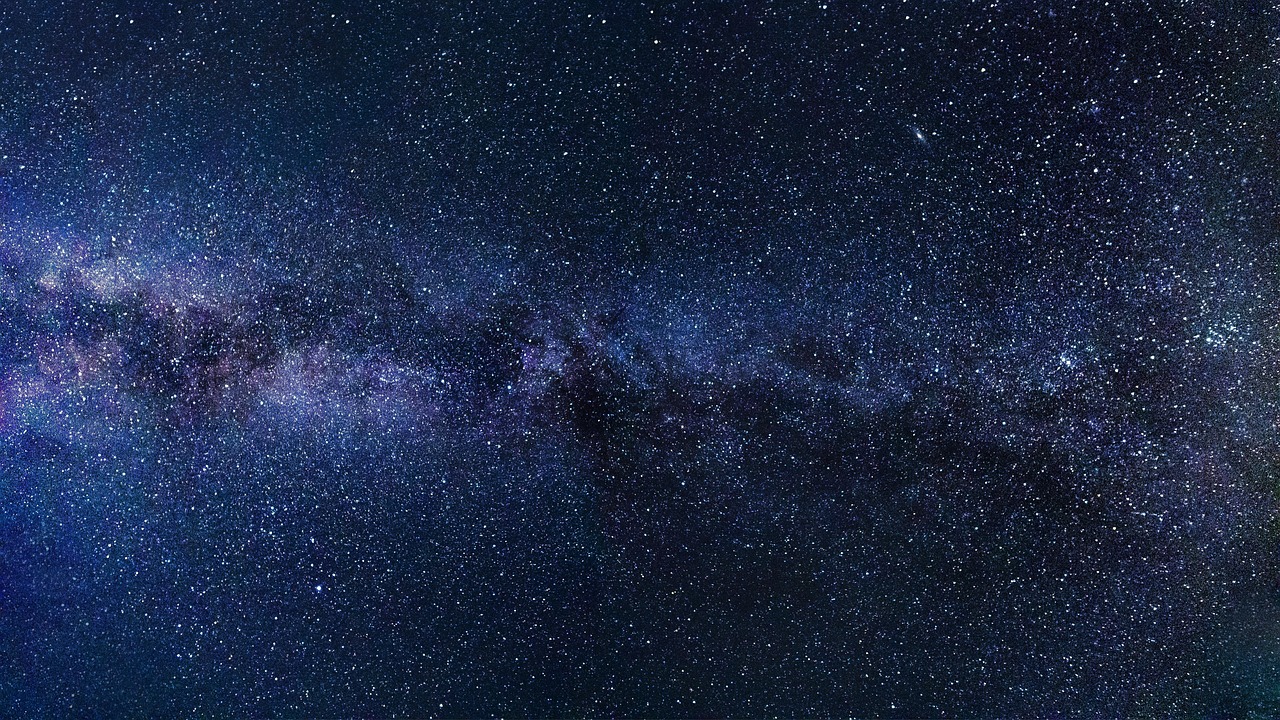
When we observe the Milky Way, we see dark lanes and rifts cutting through the stars. These are not empty spaces, but massive clouds of dust that absorb starlight. This obscuration forced humanity to develop infrared astronomy, essentially teaching us how to look through the veil. It taught us that what we cannot see is often just as significant as what we can.
The Laboratory in the Void
Recent research indicates that the surfaces of these dust grains are the ultimate chemical laboratories. In the vacuum of space, molecules often move too fast to bond, but on the cold, static surface of a dust grain, they linger long enough to react. This is where the building blocks of biology are assembled in the silent, freezing dark.
Memory Across Scales
We are culturally inclined to value the monumental, but in the cosmos, everything starts at the microscopic level. Each grain of dust carries a chronicle of its origin, a record of its galactic journey, and a map of its physical transformations. It is a humble form of cartography that charts the history of the galaxy.
The next time you look at the stars, remember that the darkness between them is not empty; it is the most important construction material in the cosmos. We must learn to value that which is invisible, for that is precisely where the key to our origin and our future is hidden. The takeaway is simple: the grandest stories in the universe are written in the smallest, most overlooked grains of dust.