The Silent Archaeology of the First Candle: Why We Seek Light in the Dark
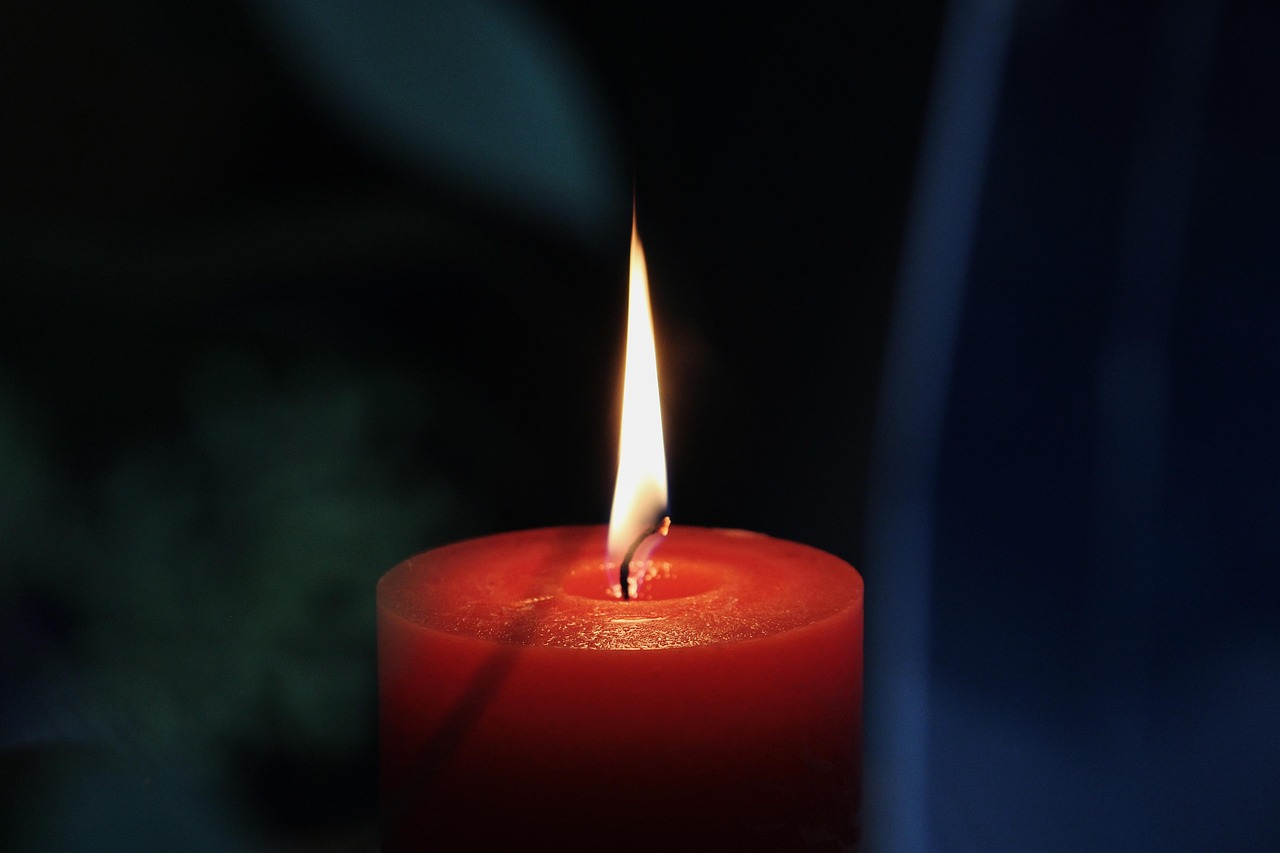
When the days begin to shorten and the evening chill settles against the glass, we find ourselves instinctively reaching for a match. The first candle of the season is never just an object; it is an event. It marks a transition from the frantic productivity of the sun-drenched months to the necessary introspection of the dark. Lighting that first wick is an act of defiance, a quiet declaration that even in the vast, encroaching shadow, we possess the agency to create our own warmth.
The Candle as a Keeper of Time
In our digital age, we measure time in nanoseconds and notifications, but a candle measures time in biological, physical decay. As the wax pools and the wick consumes itself, it provides a tangible representation of the present moment. You cannot speed up a candle, nor can you pause it. It demands that you exist within its duration. This creates a rare space where we are invited to stop our constant scanning of the future and instead rest in the flickering stability of the 'now.'
The Geometry of Shadow and Intimacy
We often fear the dark, viewing it as an absence to be filled with artificial light. However, a candle does not destroy the dark; it invites it to sit closer. The soft, amber glow of a candle creates a private geometry—a small, safe circle of light that makes the rest of the room feel intimate rather than cavernous. This is the architecture of comfort. It reminds us that our personal spaces, when curated with care, can become sanctuaries against the wider, colder world.
The candlelight is the only light that does not try to banish the darkness, but rather makes it feel like an old friend we have finally decided to welcome home.
A Ritual of Connection
There is a profound, silent archaeology in the act of lighting a candle. When you strike that match, you are performing a gesture that has been repeated by humans for tens of thousands of years. From the hearth fires of ancient caves to the votive offerings in cathedrals, we have always used the flame to signify hope, remembrance, and the continuity of life. By lighting a candle today, you are participating in a lineage that spans the entirety of human history.
- Choose high-quality, natural materials like beeswax or soy to deepen the sensory experience.
- Dedicate the act: Light the candle not just to see, but to signal the start of a quiet period.
- Practice 'flame-watching': Spend five minutes observing the dance of the light without any other input.
The Resilience of the Flame
The beauty of a candle lies in its fragility. It can be extinguished by a stray breeze or a careless movement, yet it persists as long as it has fuel. This is perhaps the greatest lesson of the winter season. We, too, are fragile beings operating in a world that can feel overwhelming, yet we carry within us a persistent, internal fuel. The candle serves as a mirror, reflecting our own capacity to maintain our warmth and purpose even when the environment around us feels cold and indifferent.
Ultimately, the silent archaeology of the first candle is about reclaiming our relationship with the seasons. It is a reminder that we are not meant to be perpetually bright and loud, but that there is a quiet, sacred power in the dimming of the light. The next time you strike a match, remember that you are not just lighting a wick; you are illuminating a piece of your own history and creating a space where you can finally be still.