The Philosophy of the Forgotten Spice Jar: Why We Keep the Flavors of Our Past

The Chronology of Flavors
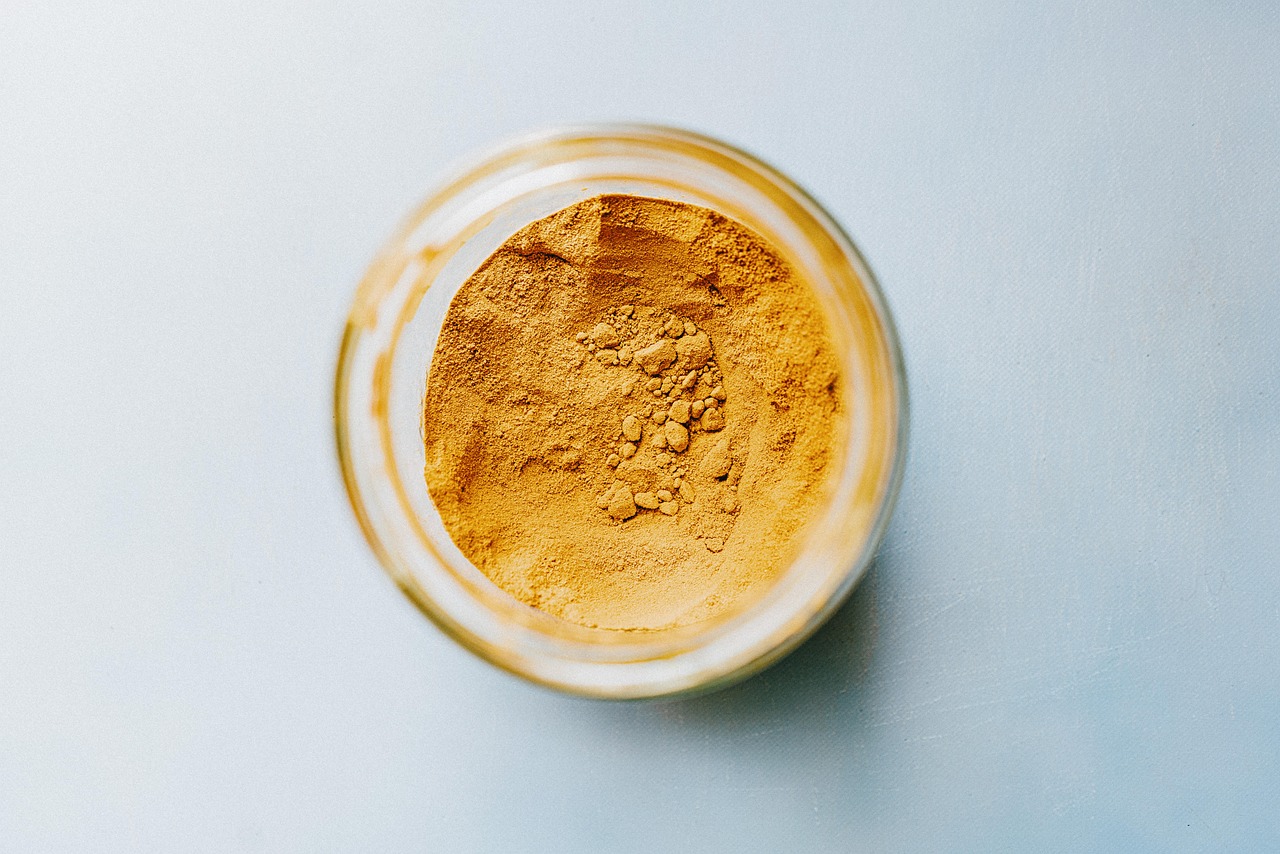
In almost every kitchen, there is a dark corner in a cupboard where time seems to stand still. This is the graveyard of forgotten spices: a half-empty jar of cumin from a failed attempt at homemade curry, a dusty bottle of dried basil that hasn't seen a pasta sauce in years, and perhaps a mysterious tin with a faded label. We buy these items with grand intentions, imagining the sophisticated meals we will host for friends or the healthy life we are about to start. Then, life happens, and these jars remain, undisturbed, as silent monuments to our past selves.
These spices are physical echoes of who we were. Every jar represents a specific chapter of our lives: the excitement of a new apartment, the desire to learn a new skill, or a dinner party that felt like a milestone. By keeping them, we are subconsciously holding onto the version of ourselves that bought them, hoping that one day we will finally become the person who cooks with saffron or uses whole cloves on a Tuesday night.
The Psychology of Keeping
Why do we find it so difficult to toss out an expired spice? It isn’t about the few dollars spent; it’s an emotional attachment. To throw away that jar of smoked paprika is to admit that the enthusiasm we had when we bought it has faded. It is a kitchen-based manifestation of our unfulfilled goals and shifting interests. We keep these jars as a form of psychological safety, a reminder that the potential for those experiences still exists, even if we never actually reach for the lid.
Each forgotten spice in our cupboard is a story waiting to be finished or a dream we have outgrown, yet we honor the intent behind the purchase long after the flavor has vanished.
We often keep what we do not use as a hedge against the mundane. We fear that by clearing the shelf, we are closing a door on a version of ourselves that we might want to revisit. It is an act of preservation, a way to keep the possibility of the 'future self' alive in the space where we feed our current selves.
The Scent of Memory
Spices are unique because of their olfactory power, which is the strongest link to memory we possess. The sharp scent of cinnamon can instantly transport us back to a holiday morning in our childhood home, while the earthy smell of oregano might remind us of a specific summer evening spent on a patio with friends. These scents trapped in glass are a library of our personal history, more vivid than any photograph.
We should learn to embrace this reality rather than feeling guilty about our cluttered shelves. Instead of berating ourselves for not using that expensive spice blend, we should appreciate the memory it evokes. They are silent witnesses to our journey, marking the evolution of our tastes and our lives. They show us how we have grown, what we have tried, and what we have eventually moved on from.
Conclusion
The next time you open your spice rack, try not to see it as a collection of expired products. See it as a collection of aspirations. Acknowledge the person you were when you bought those ingredients, and honor the growth you have experienced since. If you are ready, let them go—clear the shelf to make room for new flavors and new stories. Life is best lived not in the preserved memories of what we meant to cook, but in the fresh, vibrant flavors of the present.