The Philosophy of the Forgotten Crust: Why We Need the Hard Edges
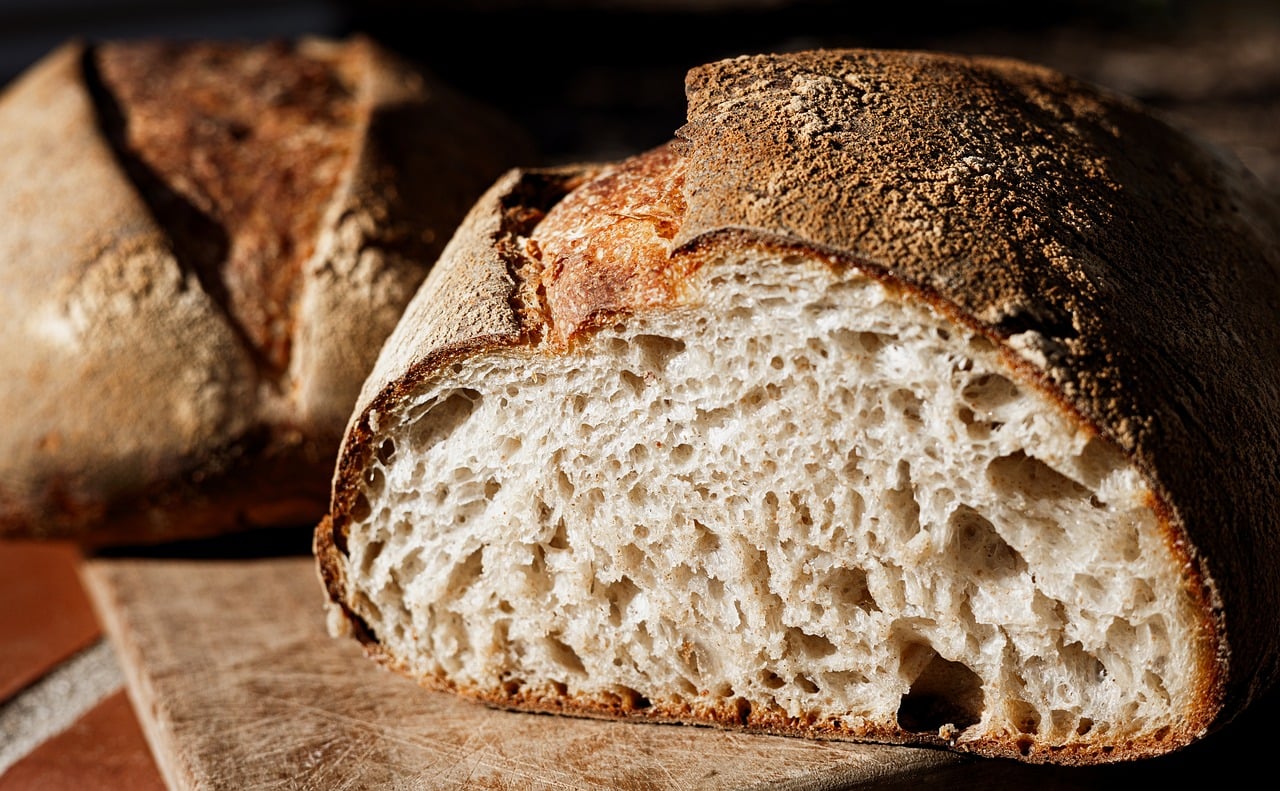
When you slice into a fresh, artisanal loaf of sourdough, the first thing you notice is the sound. It is a sharp, percussive crackle—the breaking of the crust. For most of us, our relationship with bread is defined by a secret preference: we want the soft, airy crumb inside, the part that gives way easily under the weight of butter. Yet, the crust is the unsung hero of the loaf, the protective barrier that keeps the interior from drying out and provides the depth of flavor that makes a simple meal feel like a feast.
The Science of Resilience
The crust is not merely the byproduct of a hot oven; it is a chemical miracle known as the Maillard reaction. This process, where amino acids and reducing sugars rearrange under heat, is what gives bread its golden-brown hue and complex, nutty profile. In essence, the crust is the bread’s way of hardening itself against the fire to protect its vulnerability. It is a biological metaphor for the human condition. We are all soft centers protected by the hard shells we build around ourselves—our boundaries, our experiences, and our learned defenses.
The Cultural Disdain for Difficulty
Modern culture has a tendency to prioritize the "soft center" of life. We are obsessed with comfort, convenience, and the immediate gratification of a frictionless existence. We want the reward without the resistance. But just as a bread without a crust would be a soggy, shapeless mess, a life without friction, challenge, or the "hard edges" of experience lacks structure. When we avoid the things that make us feel uncomfortable or challenged, we lose the very thing that gives our character its texture and depth.
The crust is where the heat of life meets the patience of time, creating something that endures.
Embracing the Hard Edges
Think back to the moments in your life that you currently value the most. Are they the times when everything was easy, soft, and predictable? Or are they the moments where you were pushed, burned by life's fire, and forced to develop a stronger exterior? We often fear the "crust"—the difficult periods, the awkward transitions, the heavy responsibilities—but these are the very elements that keep our internal spirit from drying out. They provide the structure that allows us to hold our own shape in a world that is constantly trying to flatten us.
The Art of Slowing Down
Baking is a practice of patience. You cannot rush the rise of the dough, nor can you force a beautiful crust without the right conditions. It requires a symbiotic relationship with time. In our rush to consume, we often miss the significance of the process. We swallow our days whole without tasting the bitterness or the crunch of the difficult parts. By learning to appreciate the crust—the parts of life that require a bit of effort to chew—we change our entire relationship with struggle. We begin to see it not as a nuisance, but as a necessary component of our existence.
The Takeaway
The next time you sit down to eat a piece of bread, take a moment to really look at the crust. Acknowledge the fire it endured and the protection it provides. It is a reminder that you do not need to be soft to be good, and you do not need to be comfortable to be valuable. Your resilience is your crust, and it is precisely what makes you worth tasting. Embrace the hard edges, for they are the guardians of your soul.