The Geometry of the Scuffed Ball: Why We Cherish the Wear
Why do we cling to the gear that has lost its shine? Explore the psychology of why we value the imperfections in our athletic tools.
The Illusion of Perfection
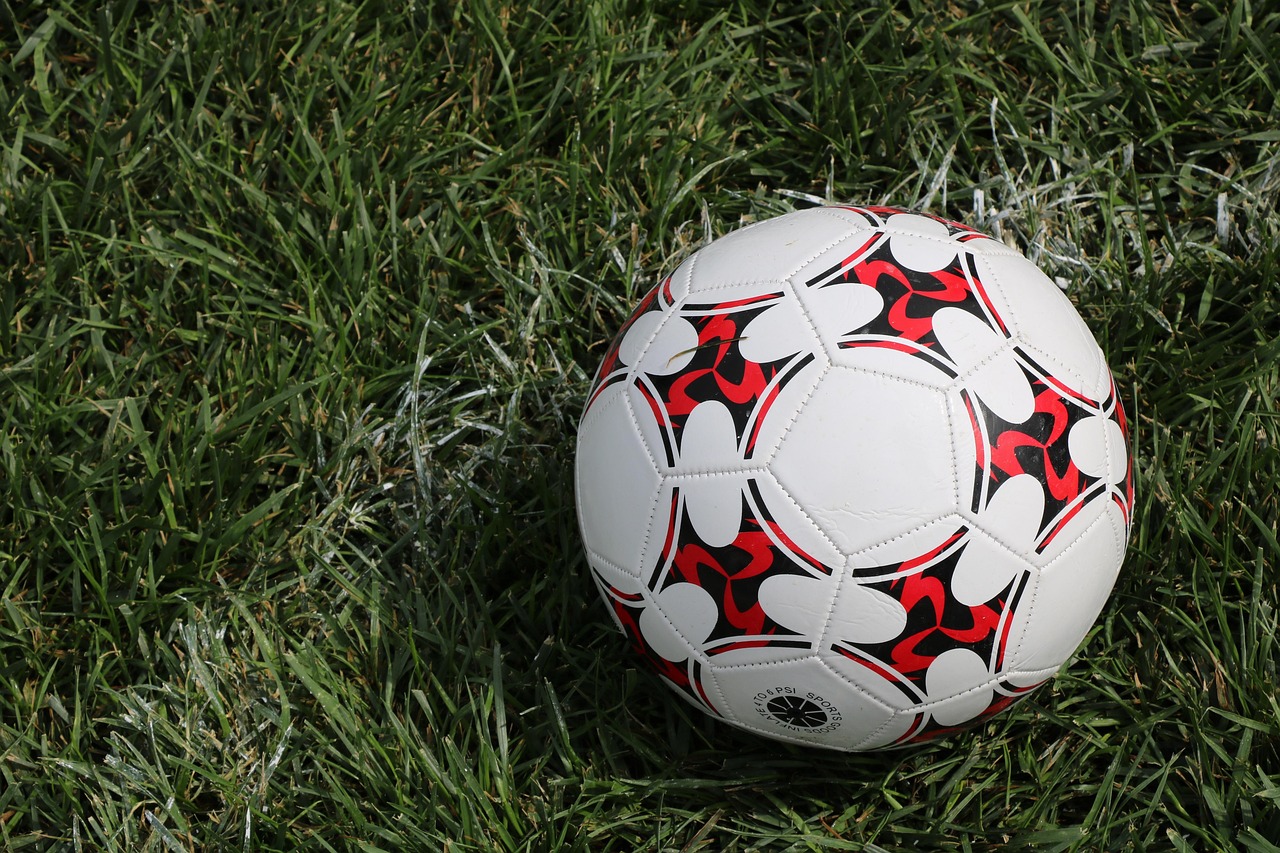
We live in a culture that obsessively prizes the new, the pristine, and the unblemished. From the moment we unbox a piece of technology or buy a fresh pair of sneakers, there is a silent pressure to keep them looking like they have never been touched. Yet, in the world of sports and play, there is a profound, almost primal pull toward the opposite: the scuffed leather of a soccer ball, the frayed seams of a baseball, or the chipped paint of a well-worn racket. These are not merely signs of decay; they are the physical records of our persistence.
The Invisible History of the Game
Every scratch on a ball tells a story. When we look at a ball that has lost its sheen, we do not see a piece of equipment that is ready for the trash. We see a map of thousands of afternoon practices, the concrete of a city driveway, the rough grass of a local field, and the countless hours spent chasing a goal. These marks are the scars of our dedication. They remind us that we were actually there, doing the work, rather than just dreaming about it.
The game does not end with the final whistle; it lingers in every scuff mark and fray that remains on our gear.
This is a testament to the fact that our efforts leave a tangible footprint. The wear on a ball is not a sign of poor quality, but a sign of intense, lived experience. We cherish the scuffed ball because it is honest. It doesn't pretend to be new; it carries the weight of every game we have ever played.
Why We Keep the Worn
- Memory Anchoring: Every scuff serves as a tactile reminder of a specific match or training session.
- Psychological Attachment: Worn-out gear becomes an extension of our own identity and growth.
- Authenticity: It demonstrates real, gritty work rather than the aesthetic of perfection.
The Aesthetics of Imperfection
We are often told that we need to upgrade our equipment to improve our performance. But sometimes, that brand-new, perfect ball is exactly what prevents us from finding our flow. It is too smooth, too predictable, and lacking in character. A scuffed ball, on the other hand, has developed its own unique aerodynamics and personality. It has become a part of our muscle memory, responding to the specific ways we have kicked, caught, or thrown it over the years.
We fear the new because it demands a clean slate, and sometimes, we aren't ready to let go of the history embedded in our old tools. The scuffs become our certificates of achievement. They prove that we have played, we have labored, and we have lived within the confines of the game. To replace them is to erase the evidence of our effort.
Conclusion
The next time you reach for your old, battered sports gear, do not be so quick to replace it. Remember that every mark on its surface is a fragment of your own story. Embrace the imperfection, for that is where the true spirit of the game resides—not in the pristine, but in the battle-tested.