The Forgotten History of Scent: How Fragrance Shaped Civilization
Scent as a Time Machine
Have you ever noticed how the smell of freshly baked bread or the damp earth after a summer rain can transport you back to your childhood in an instant? This is no coincidence. Olfaction is our oldest and most primal sense, deeply wired into the limbic system, the brain's center for memory and emotion. Throughout history, humans have wielded scent as a tool for power, healing, and divine communication, often shaping the course of civilizations in the process.
The Fragrant Gold of Ancient Egypt
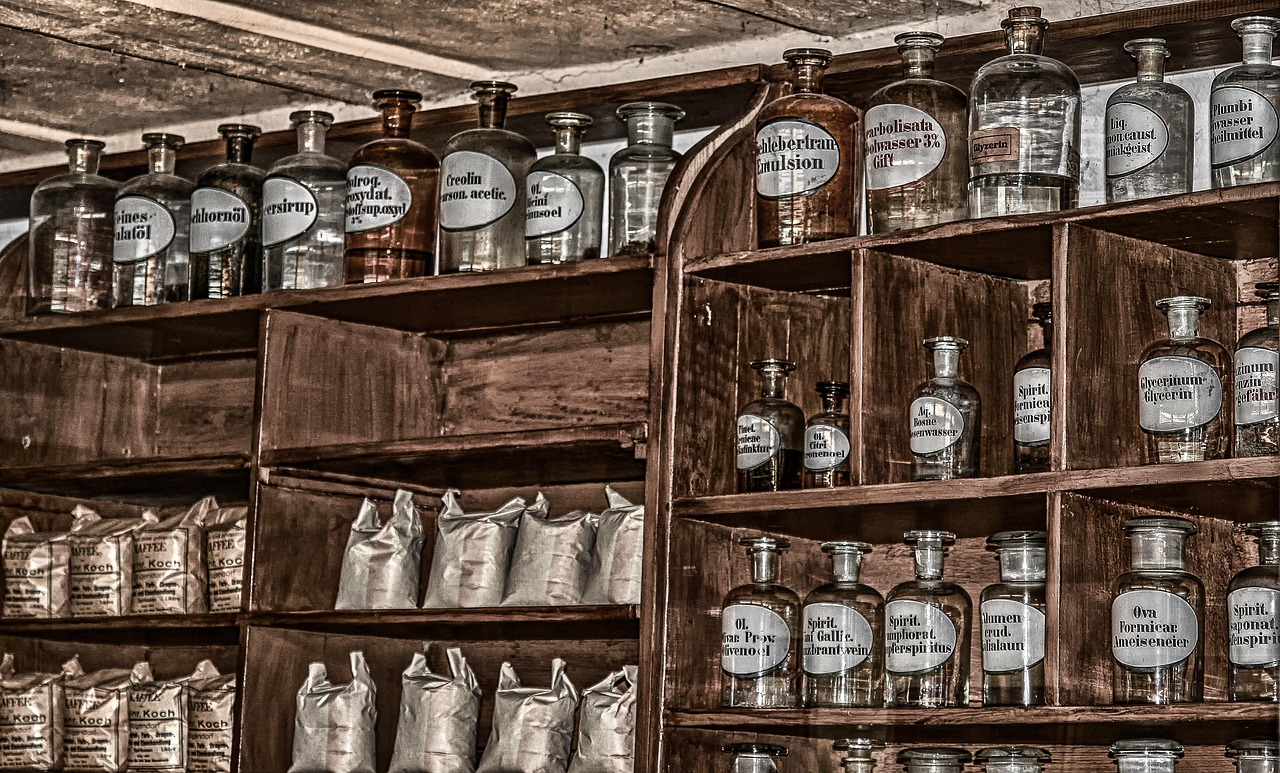
In Ancient Egypt, fragrances were considered the sweat of the gods. The word perfume itself originates from the Latin 'per fumum,' meaning 'through smoke.' Egyptians burned aromatic resins and incense to carry their prayers toward the heavens. They treated scent as a precious commodity, often valuing specific balms and oils more highly than gold. This wasn't merely vanity; it was a spiritual necessity for connecting the earthly realm with the eternal.
Scent is the bridge between the physical reality we inhabit and the deep, buried chambers of our subconscious mind.
The Great Spice Wars and Global Trade
During the Middle Ages and the Renaissance, the insatiable European hunger for aromatics and spices triggered an era of global exploration. Portuguese, Spanish, and Dutch explorers risked their lives and fortunes to control the trade routes for cinnamon, cloves, and sandalwood. These were not just cooking ingredients; they were symbols of status and essential components for medicine and perfumery. The hunt for these scents effectively redrew the maps of the world, leading to colonization and the birth of modern global commerce.
Why We Have Neglected the Power of Smell
- Modern society has become overwhelmingly visual, often prioritizing screens over sensory depth.
- The industrial revolution introduced synthetic scents, which lack the complexity of natural botanicals.
- We tend to treat our olfactory environment as a background hum rather than an active participant in our well-being.
By reconnecting with the world of natural fragrances, we can rediscover our link to the past. Each scent tells a story—of bygone eras, distant lands, and the universal human quest for beauty and meaning. The next time you encounter a striking fragrance, pause for a moment. Instead of simply naming it, try to listen to it and let it reveal the history it carries within its molecules. Remember, you aren't just smelling a scent; you are breathing in a fragment of human history.