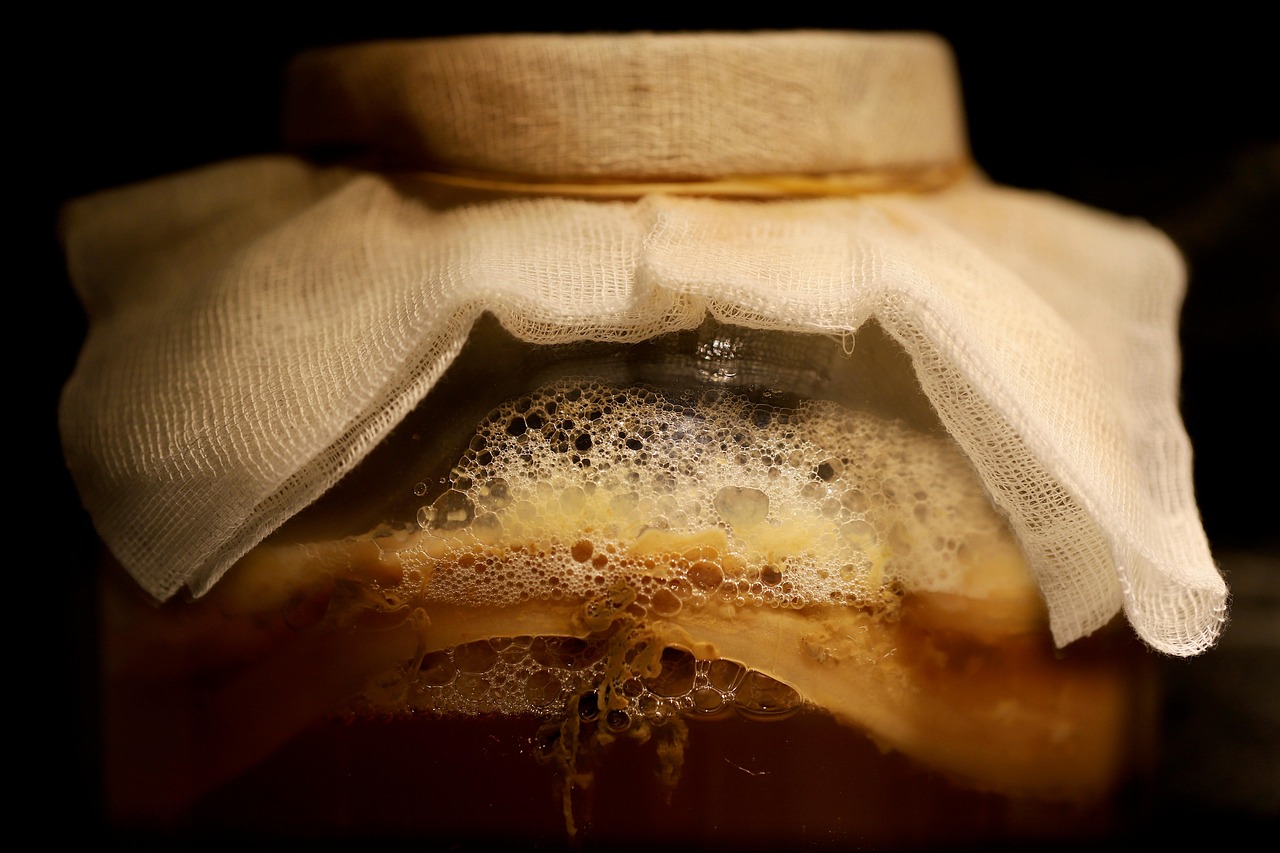
The Philosophy of the Forgotten Ferment: Why We Love to Wait
The Taste of Time
In our modern world, we are addicted to the instant. We order food that arrives in minutes, and we shop for goods that are ready for immediate consumption. Yet, hidden in the back of our kitchen cabinets, there often sits a jar filled with brine and vegetables—a relic that reminds us of an entirely different rhythm. Fermentation, or the simple act of pickling, is one of the oldest and most patient forms of food preservation known to humanity.
When we submerge cabbage or cucumbers in brine, we are essentially pausing time as we know it and allowing nature to take the reins. This is a process that refuses to be rushed. If you try to force fermentation to accelerate, you will ruin the result. It is a profound lesson that we often forget in our daily race: some things simply cannot be hurried, and their quality depends entirely on our ability to let them be.
The Invisible Labor
The beauty of fermentation lies in its invisibility. Inside the jar, microscopic organisms—bacteria—are working tirelessly, transforming simple ingredients into complex, tangy masterpieces, all while preserving the food for the future. We are merely spectators, trusting in natural forces that operate beyond our direct control.
Fermentation is the alchemy of food, where simplicity is transformed into complexity through the quiet power of waiting and trusting the process.
This patience teaches us to trust the invisible work in our own lives. We often cannot see how our projects are taking shape or how our relationships are developing, but if we provide the right environment, the result will eventually manifest. It is a masterclass in faith.
The Art of Waiting
Jars of forgotten ferments are bridges to the past. Our ancestors survived not just by what they could acquire, but by what they could preserve. Each forgotten jar is a memory stored in glass—a tactile piece of history that links us to generations who understood that abundance was not about having everything today, but about having enough for tomorrow.
- Patience: There is no substitute for the passage of time.
- Trust: Nature knows its job better than we do.
- Memory: Every recipe is a story of survival and flavor.
When you finally crack open that jar, you are not just smelling the tang of vinegar or lactic acid; you are tasting the span of time you spent waiting. It is a small, everyday victory against the relentless march of a world that demands everything right now. It is a deliberate choice to savor the slow.
Next time you find a jar in the back of your pantry that you have long forgotten, do not rush to discard it. Open it, taste it, and remember that some of the best things in life require nothing more than a little time and a little trust. In a world that is always moving, the act of waiting is a revolutionary way to feed your soul.