The Archaeology of the Discarded Seashell: Why We Hoard Echoes of the Tide
The Weight of a Hollow Home
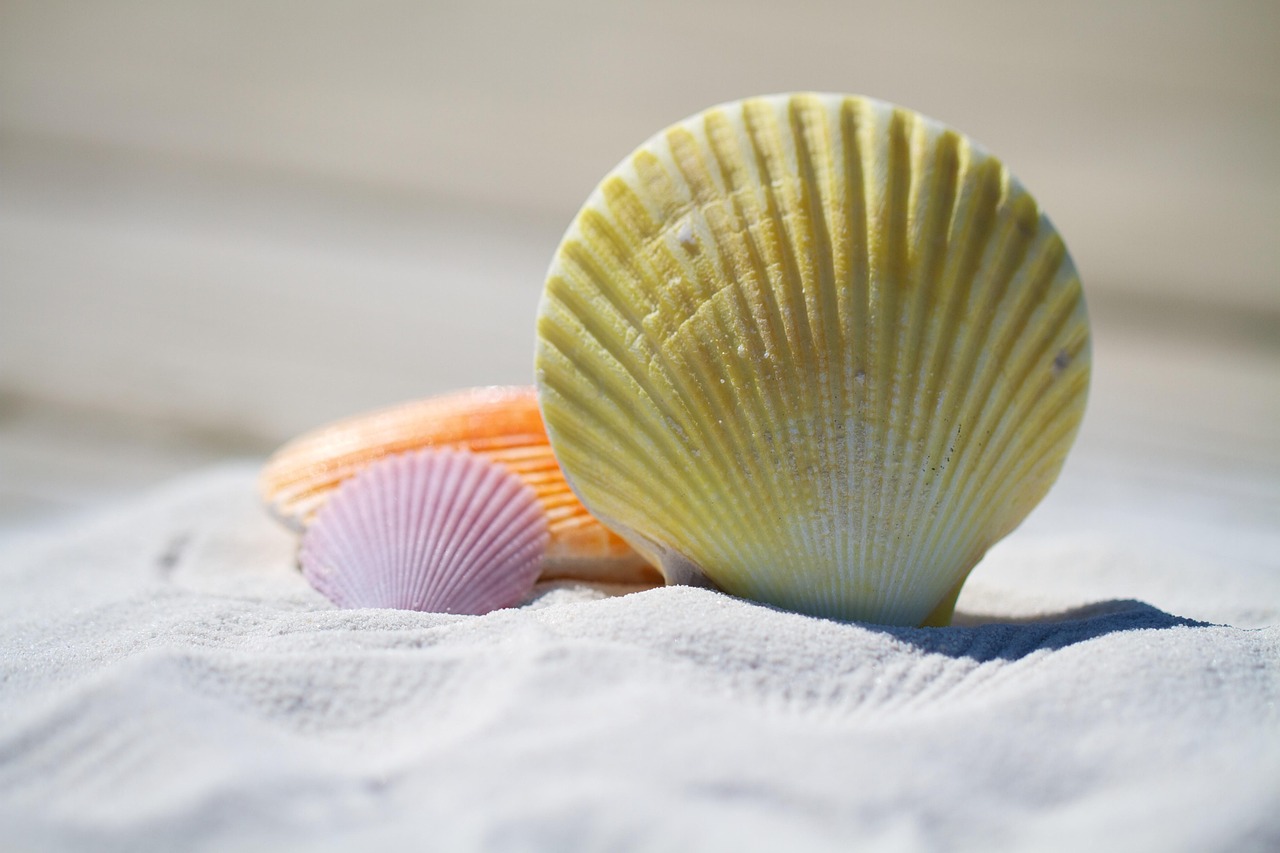
There is a peculiar ritual performed by almost everyone who visits the coast: the act of bending down to retrieve a discarded shell. We sift through wet sand, ignoring the sharp edges of broken glass and plastic, searching for that one perfect, spiraled specimen that feels right in our palm. We don't just pick them up; we curate them. They migrate from our pockets to our car cup-holders, then to our bathroom shelves or bedside tables, where they eventually gather dust as silent sentinels of a vacation long finished.
Why do we do this? It is not merely a souvenir of a location; it is an attempt to capture a state of mind. The ocean represents a vast, rhythmic indifference to our daily stresses. By bringing a piece of it home, we are attempting to tether ourselves to that tranquility. The seashell is a physical manifestation of a liminal space—a border between the liquid wild and the solid earth—and we hoard these borders to remind ourselves that we exist somewhere between the two.
The Architecture of Resilience
When you hold a shell, you are holding the discarded armor of an animal that spent its entire life building its own protection. These calcium carbonate structures are marvels of biological engineering. They grow in exact proportions, often following the Fibonacci sequence, turning simple math into a stunning aesthetic. We are drawn to them because they represent a finished task—a life that was lived, protected, and eventually outgrown.
Consider the patterns found in these structures:
- The spiral growth that allows for expansion without losing structural integrity.
- The iridescent nacre or mother-of-pearl that refracts light in ways our own man-made materials struggle to replicate.
- The scars and chips that tell a story of narrow escapes from predators or turbulent storms.
We keep them because they are symbols of survival that require no maintenance. Unlike a houseplant or a pet, a shell is already complete. It asks nothing of us, yet it serves as a constant, quiet testament to the idea that nature is both fragile and incredibly resilient.
The Sound of Our Own Blood
The most enduring myth of the seashell is that if you hold it to your ear, you hear the ocean. Science, of course, tells us a different story. The shell acts as a resonator, amplifying ambient noise from your surroundings, including the rush of blood through the vessels in your own ear. It is a beautiful irony: we think we are listening to the deep, blue expanse of the world, but we are actually listening to the rhythm of our own circulatory system.
The seashell is the only object that allows us to listen to the sound of our own life, disguised as the roar of the sea.
This realization doesn't make the act less magical; it makes it more personal. The shell becomes a mirror. When we press it to our ear, we are centering ourselves, finding our own pulse within the vastness of the world. It is a meditative tool that anchors us to the present moment, even as our minds wander to far-off shores.
The Burden of the Collection
Eventually, every collector faces the problem of the pile. We have too many shells and not enough space. We start to notice the ones that are chipped or dull. We might even feel a slight sense of guilt, wondering if we should have left them where they belonged, serving as homes for hermit crabs or returning to the sand to eventually become earth again. We treat them as treasures, yet they are, in the eyes of the beach, simply waste.
This friction between 'treasure' and 'waste' is what defines our relationship with nature. We treat the natural world as a storehouse of small, beautiful objects that we can claim. But the archaeology of the shell teaches us that nothing is truly meant to be kept forever. They are meant to flow with the tide. When we finally decide to clear the dust from our shelves, we are often participating in a necessary release—letting go of the past to make room for the present.
The Memory of the Tide
Ultimately, these calcified ghosts on our shelves serve as anchors. They remind us that our time is measured not just in clock ticks, but in the slow, rhythmic turning of the seasons and the tides. They are evidence that we were there, that we stood at the edge of the world and reached out to touch the mysterious, salty unknown.
The takeaway is this: we do not keep seashells to own the ocean; we keep them to remember that we are capable of finding beauty in the discarded, and that we have the capacity to carry a little bit of peace back into our noisy, landlocked lives. When you next pick up a shell, know that you are not just taking a souvenir—you are claiming a piece of your own capacity for wonder.