The Archaeology of the Scratched Vinyl: Why We Crave Imperfection
Why do we keep returning to vinyl when digital music is flawless? The answer lies in the dust, the scratches, and the physical memory of sound.
The Physical Memory of Sound
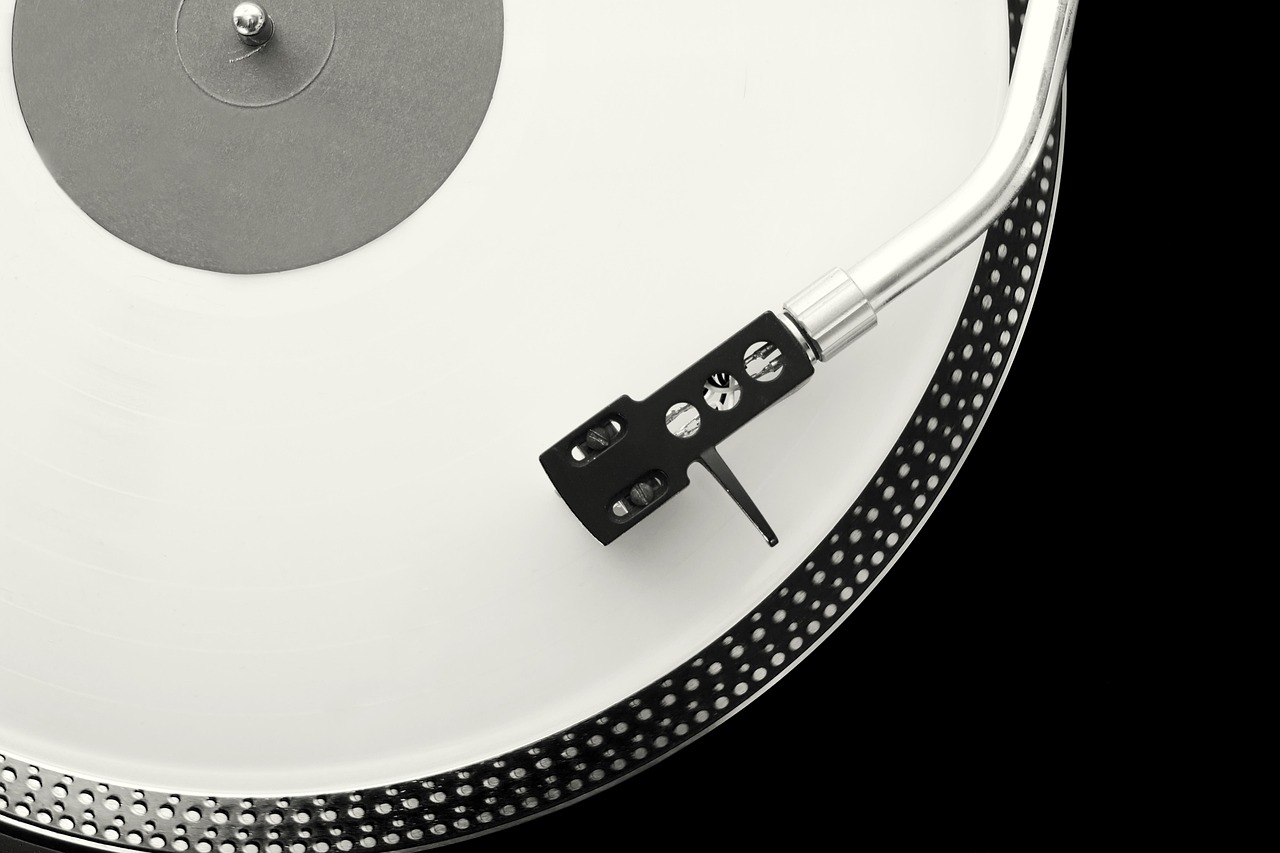
We live in an era where music has become ethereal and intangible. Digital files have no weight, no scent, and no history. Yet, when you hold a vinyl record, you are holding a piece of history. Each record possesses its own life, etched into its grooves. When the needle touches the vinyl, it is not just playing music; it is reading the physical memory of time.
Scratches are often perceived as damage, but in reality, they are auditory witnesses. They tell the story of whose hands this record has passed through, the parties where it played, and how it has aged. This imperfection reminds us that art and life are constantly subject to change and the gentle erosion of time.
The Aesthetics of Flaws
Why do we seek out the crackle when we could have crystal-clear audio? The answer lies in human psychology. We have been conditioned to fear mistakes, but the clicks and pops on a vinyl record are strangely comforting. They prove that our world does not require robotic precision to be beautiful.
The music between the scratches is what makes us feel the presence of the moment.
When you hear those small imperfections, you realize that the moment is unique. That exact sound will not be repeated in the same way twice. It is the antithesis of digital algorithms, which always strive for sterile perfection. By embracing the flaw, we embrace the humanity of the creator and the listener.
The Physical Traces of Time
Every record carries the fingerprints of previous owners. Perhaps this disc was a gift in the 1970s, or perhaps it was found in a dusty attic. The scratches are like human scars—they tell stories that words cannot describe. This is an archaeology that takes place right in our living room.
- The touch: Taking the record out of the sleeve.
- The sight: The hypnotic rhythm of the spinning disc.
- The sound: The first contact of the needle with the groove.
All of this creates a ritual that is entirely missing from digital streaming services. We do not love the scratches themselves; we love the reality they represent—a tangible connection to a past that refuses to be erased by a clean, digital reset button.
The Takeaway
The next time you hear a light crackle on a vinyl record, do not try to filter it out or ignore it. Try to listen to the history hidden within it. That sound is a reminder that imperfection is exactly what makes us human, and that some of the most beautiful things in life are those that have survived the passage of time.