The Archaeology of the Scratched DVD Case: Why We Keep Our Physical Ghosts
The Charm of Physical Memory
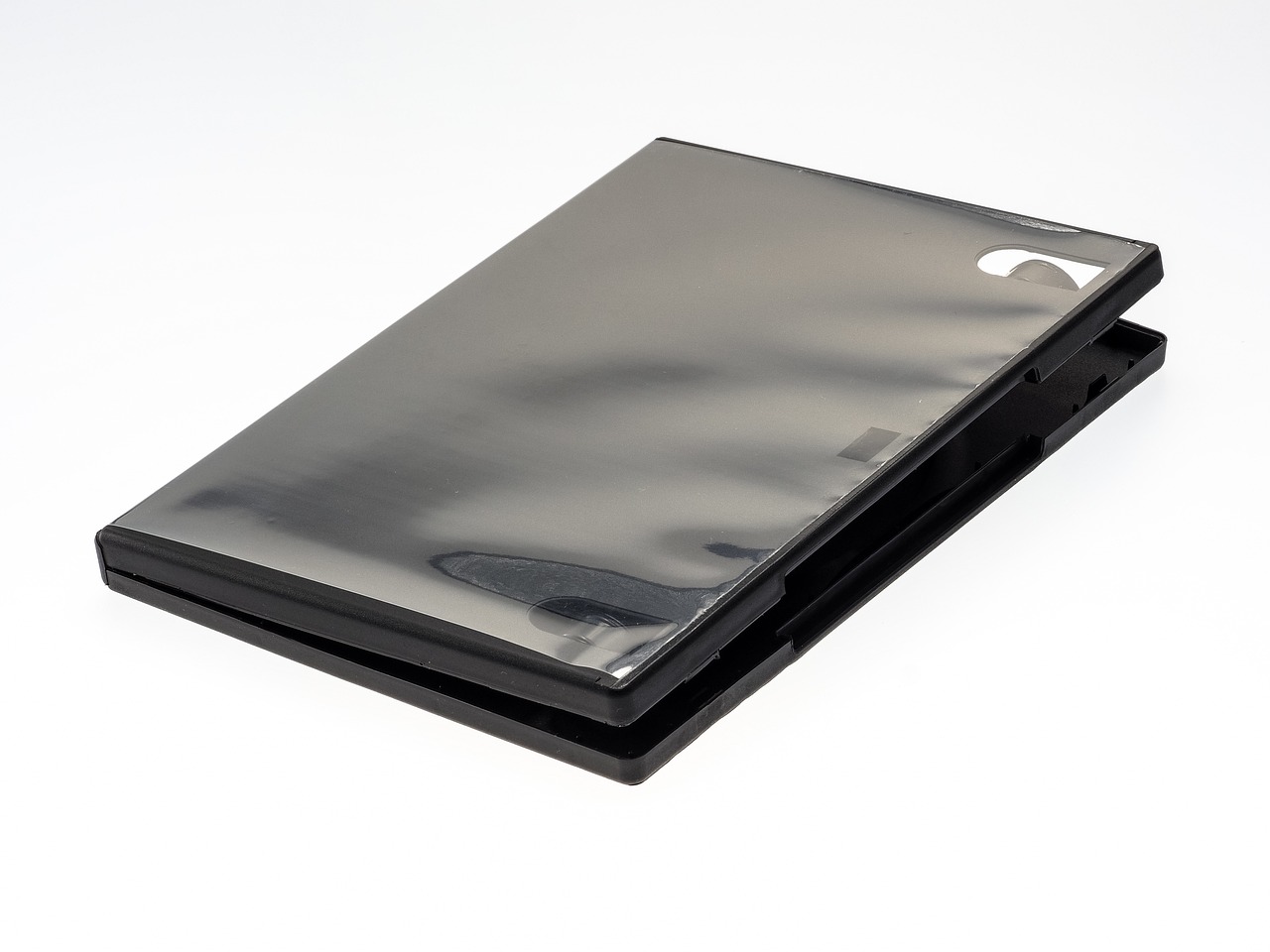
We all have that one DVD case—or perhaps a stack of them—tucked away on the top shelf of a closet or gathering dust in a basement box. The plastic is brittle, the cover art is faded, and the disc inside is likely a map of deep, concentric scratches. Yet, when we consider decluttering, these items are the last to go. They aren't just media; they are artifacts of a version of ourselves that existed before algorithms decided what we should watch next.
In a world where content is liquid, flowing effortlessly through high-speed fiber optics, there is something stubbornly solid about a plastic disc. We keep them because they represent a time when entertainment was an event. You had to go to the store, flip through the racks, make a choice, and physically carry that choice home. That friction created a memory that streaming, for all its convenience, simply cannot replicate.
The Tactile Ritual of the Past
The era of the DVD had a specific aesthetic and a distinct set of rituals. There was the satisfying snap of the plastic case, the way the disc slid onto the central hub, and the navigation of clunky, pixelated menus. These aren't just functional steps; they are sensory imprints. We remember the smell of the plastic, the weight of the box, and the specific way we organized our collection alphabetically.
- The tactile feedback of the case snap.
- The visual hunt through spines on a shelf.
- The physical evidence of wear—the scratches that mark a movie watched twenty times during a formative summer.
The scratched disc is not a broken object; it is a ledger of our engagement with art.
Digital Flux vs. Physical Permanence
Streaming platforms offer us the world, but they offer us nothing to hold. When a licensing deal expires, your favorite film vanishes from your watchlist with no warning. Your physical copy, however, is a defiant act of ownership. It doesn't care about server updates or subscription tiers. It stays exactly where you left it, a silent witness to your evolving tastes.
We surround ourselves with these objects because they anchor us. They provide a tangible sense of continuity in a digital landscape that feels increasingly ephemeral. Every scratch on that surface tells a story of a specific Friday night, a specific living room, and a specific phase of your life that you aren't quite ready to let go of.
The Archive of Self
Perhaps we don't keep these DVDs because we plan to watch them. We keep them because they function as a mirror. Browsing your own shelf is like walking through a private gallery of your past interests. You might not play the movie, but you enjoy knowing it is there. It is a psychological tether to a time when we were more intentional about our consumption of stories.
So, leave that dusty, scratched DVD on your shelf. It isn't clutter; it is a curated collection of your own history. The next time you feel the urge to toss it, remember: the most valuable objects in our lives aren't the ones that function the best, but the ones that remind us who we used to be.