The Clock of the Last Shift
The Tuesday Morning Dismissal
The fluorescent lights in the breakroom hummed with that familiar, maddening buzz that had defined my life for three decades. Arthur, the plant manager who had once been my apprentice, wouldn't meet my eyes. He pushed a manila envelope across the gray laminate table. It was a termination notice, citing 'structural realignment' and 'obsolescence.' I had spent thirty years as the lead technician for the pneumatic precision gears—the heart of the factory—and now, without warning, I was the obsolete component.
I looked at the window, watching the rain blur the industrial park. I had missed my daughter's graduation for a machine failure in 2004. I had worked through the holidays when the furnace blew in 2012. I had never once called in sick. When I asked Arthur why, he just tapped his pen on the table and muttered about the board of directors. He didn't even have the decency to lie well. He just looked at his watch, anxious to get back to his air-conditioned office.
The Weight of the Cardboard Box
I packed my things in silence. My coffee mug, a set of specialized torque wrenches I’d bought with my own money, and a small, nondescript brass key that opened the master override cabinet. That key was the only thing standing between the factory and a total system collapse if the main pressure sensors failed. I knew the sensors were degrading—I had been documenting it in my private logs for months, logs they never bothered to read.
As I walked out of the heavy steel doors, the security guard—a kid who had been there for six months—nodded at me with pity. I walked to my car, placed the box on the passenger seat, and looked back at the sprawling warehouse. I felt the familiar weight of the key in my pocket. I hadn't stolen anything; I had simply taken the tool required to manage the equipment I had spent a lifetime nursing. The injustice was cold, sharp, and entirely final.
The Silence of the Gears
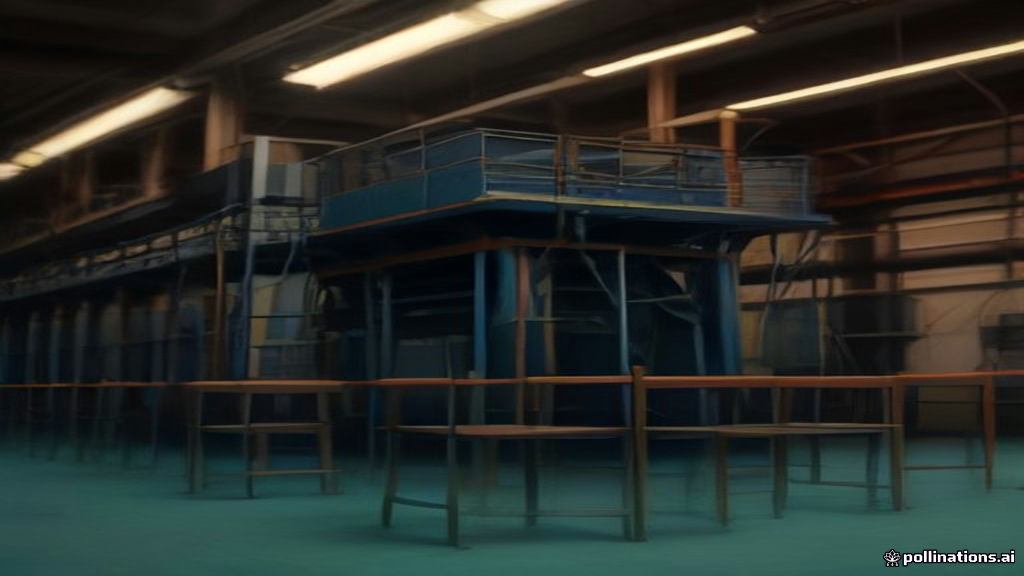
Two weeks later, the call came. It wasn't Arthur. It was the CEO, a man who had never stepped foot on the production floor. He sounded panicked, his voice thin over the static of a bad connection. The entire assembly line had locked up. The pneumatic pressure had surged, the automated safety protocols had failed to engage, and the whole facility was paralyzed. They had tried to bypass the override, but without the specific calibration sequences that only I knew, the system interpreted every attempt as a catastrophic malfunction.
The pride of the machine is in its rhythm, but the soul of the machine is in the hands that know when it is tired.
They offered me a consulting fee that was triple my monthly salary. They promised a public apology. They even hinted at a formal reinstatement. I listened to the CEO ramble, his authority stripped away by the reality of a dead factory floor. I pictured Arthur standing there, sweating in his cheap suit, staring at a screen that showed nothing but red error codes.
The Final Calibration
I didn't yell. I didn't threaten them. I simply told them that the expertise they had deemed 'obsolete' was currently parked in my driveway. I told them that the calibration sequences were locked behind a logic gate that required the physical key I held in my hand. I told them that I had spent thirty years learning the language of those machines, and that language wasn't something you could download or hire a temp agency to replicate.
I didn't return to the factory. Instead, I gave them a list of demands: full severance for every worker they had laid off alongside me, a public acknowledgment of the safety violations they had ignored, and a pension package that would actually secure my family's future. I told them they had forty-eight hours before the pressure built to a point where the gear housings would crack. I knew the machine better than they ever would; I knew exactly how long it would take for them to realize they were holding a ticking bomb.
When the clock struck the forty-eighth hour, I didn't answer the phone. I sat on my porch and watched the sunset. I had already sent the technical manual—which I had hand-written over the course of a decade—to the plant's union representative, ensuring the workers would have the leverage they needed to survive without me. The factory would run again, but not for the men who had discarded me like trash. The tables had turned, and for the first time in thirty years, the silence of the evening felt like a victory.
Sometimes, the greatest power lies in knowing exactly when to stop turning the key.