The Archaeology of the Forgotten Coin: Why We Keep Our Worthless Change
Have you ever found a worn, obsolete coin at the bottom of a pocket? It is more than metal; it is a small, heavy time capsule of your own history.
Tiny Metallic Witnesses
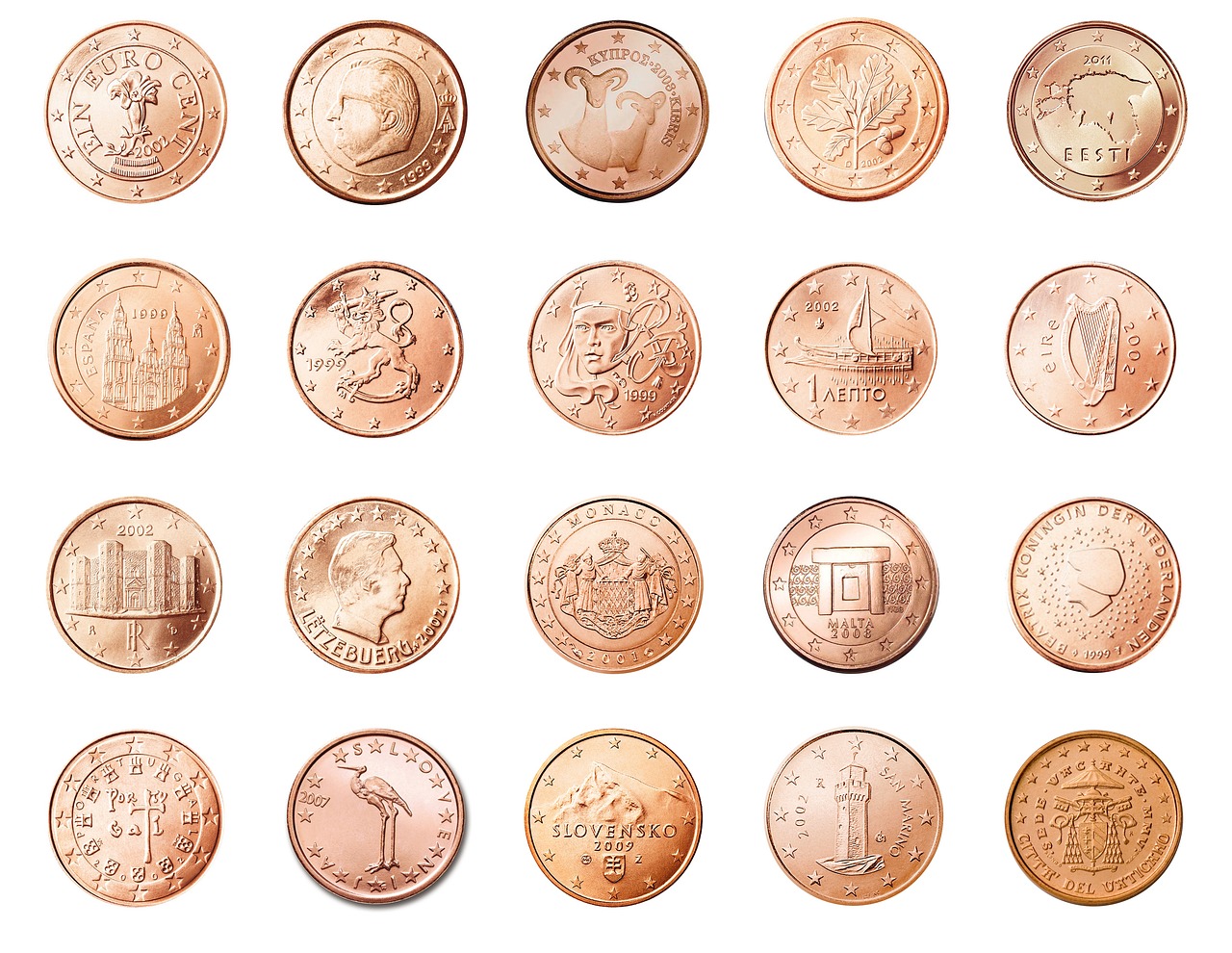
We all have that one coin. It is old, worn, perhaps from a country that no longer exists or a currency that has been replaced by a digital standard. It sits at the bottom of a dresser drawer or buried deep in the pocket of a winter coat, no longer capable of buying a coffee or a bus fare. In this state, the coin has undergone a transformation: it has ceased to be money and has become a relic.
We keep these coins not because we expect them to accrue value, but because they are physical anchors to our past. That tarnished quarter or strange foreign peso is a tangible memory of a time when we were in a different place, literally and metaphorically. The coin is the smallest, most durable monument to our personal financial history.
Value Beyond Circulation
Economics textbooks define money by its utility—the ability to exchange it for goods or services. Yet, human psychology suggests that value often resides in the stasis of an object. When we hold onto a coin that no longer circulates, we are practicing a form of emotional hoarding. We are preserving the moment that coin occupied in our lives, whether it was a tip from a first job or a souvenir from a trip that changed our perspective.
- The wear on the edges tells a story of how many hands it passed through before landing in ours.
- The faded shine testifies to the relentless passage of time we often try to ignore.
- Foreign coins serve as physical reminders of borders we have crossed and will likely never visit again.
The Bond Between Memory and Metal
Every coin has two sides: the face of the state, and the hidden imprint of our own personal journey.
Why do we leave them in car consoles or between sofa cushions? It is a subtle insurance policy against forgetting. We cannot keep every moment, but we can keep a piece of metal that acts as a tether to a former version of ourselves. It is a metallic map of the roads we have traveled, a collection of points that chart our evolution from who we were to who we are now.
The Practice of Financial Archaeology
The next time you find a coin you cannot spend, do not rush to discard it. Take a moment to look at it. Recall the friction of its history. Maybe it is the last remnant of a summer job, or perhaps a lucky charm you picked up in a rainy city. These tiny, circular artifacts are the silent, unacknowledged witnesses to our daily existence.
Remember that not everything needs to serve a functional purpose to be valuable. Sometimes the most precious items are those that have long since stopped buying goods, yet continue to purchase us a few moments of reflection on the long, winding path of our own lives.