The Archaeology of the Fading Ink Stain: Why We Keep Our Messy Traces
The Ink Stain as a Witness to Time
When we sift through old journals, letters, or childhood notebooks, we are usually looking for the content—the words that capture a moment, a thought, or a memory. Yet, if you look closer, you will often find dark, irregular splotches that form no letters at all. These ink stains are the silent witnesses to our human fallibility, our haste, and our emotional turbulence. They mark the seconds when the pen lingered too long, when a hand trembled, or when a moment of frustration caused a nib to press too hard against the paper.
We often treat these stains as mistakes, blemishes to be corrected or hidden away. But in doing so, we strip our historical artifacts of their humanity. An ink stain is a physical anchor to the past. It serves as a reminder that the person who wrote the document was not a machine, but a living, breathing being with their own rhythms, flaws, and fleeting distractions.
The Aesthetics of the Imperfect
Why do we hold onto these messy remnants? There is a deep psychological satisfaction in preserving imperfection. In a world increasingly dominated by the sterile precision of digital text, where every letter is perfectly spaced and every error is deleted with a backspace, the ink stain feels radical. It is tangible evidence that a process occurred; it is a point where time stopped briefly, captured in a smudge of pigment.
A mistake is not merely an error if it reveals the process of creation. It proves that someone was truly present, grappling with the weight of the pen and the flow of the thought.
These stains are often tied to intense emotional states. A blot might appear on a love letter written in a rush of passion, where the ink could not keep pace with the heart. It might be the result of exhaustion in the small hours of the morning, where the weight of the hand began to falter. By keeping these papers, we are not just keeping information; we are keeping the kinetic energy of a moment that has long since passed.
Ink as a Bridge to Memory
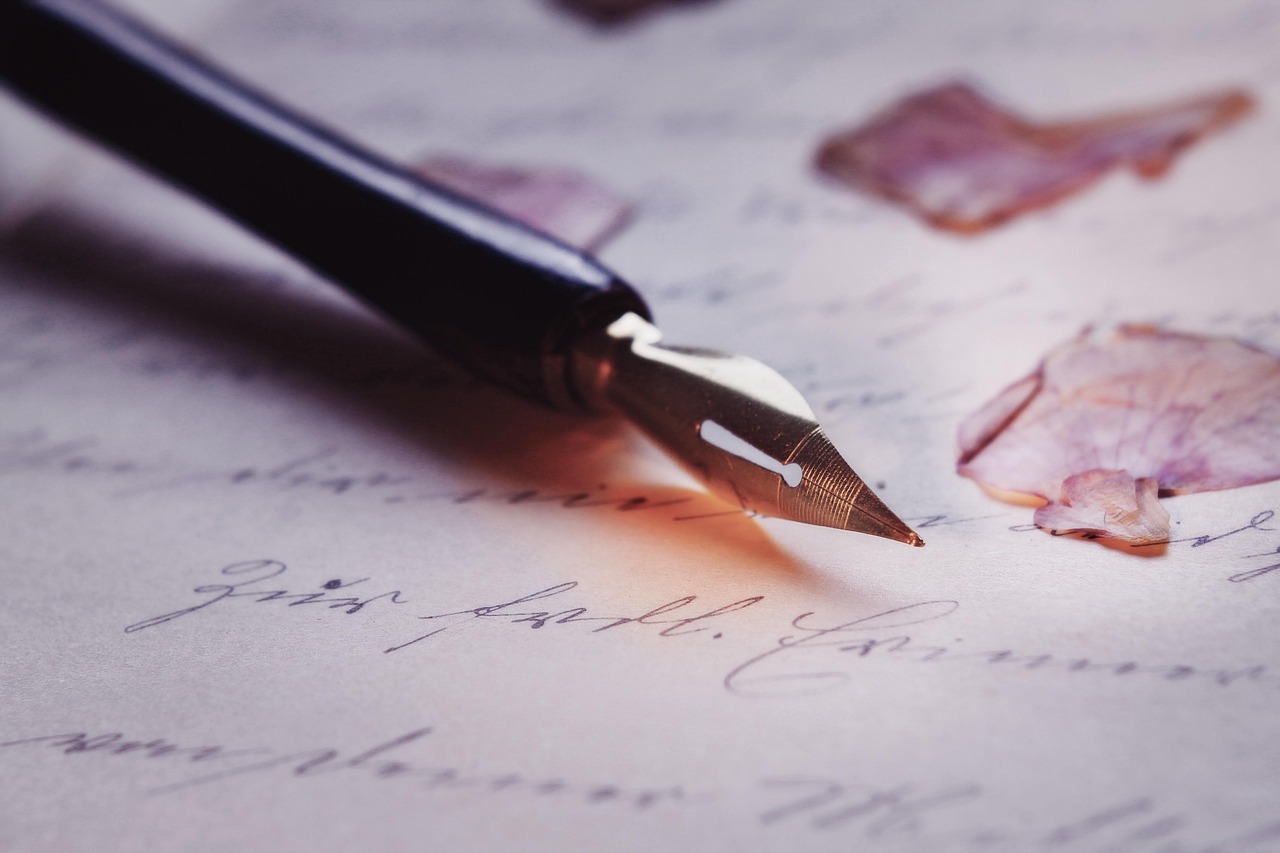
Ink stains tell us how we used our tools. In the era of the dip pen or the fountain pen, a leak was an almost inevitable part of the writing experience. Today, as we move toward a fully digital existence, the ink stain is becoming a rare, almost sacred phenomenon. It represents a tactile connection to the physical world that is becoming increasingly lost.
- It reflects the rhythm of the writer’s pace.
- It demonstrates the specific quality and temperament of the writing instrument.
- It preserves a unique, unrepeatable signature of the writer’s physical presence.
When we curate these stained pages, we are engaging in a form of personal archaeology. We are excavating our own pasts, not just the finished products of our labor, but the process itself. We are learning to accept the mistakes of our past and finding beauty in the messy, unplanned moments that define our development.
The Takeaway
The next time you find a stray ink stain on a document, do not rush to discard it or view it with annoyance. See it for what it truly is: a heartbeat caught on paper. Perfection is often sterile, but the ink stain is honest. Embrace the mess, for it is the most authentic part of your story.