The Archaeology of the Faded Movie Ticket: Why We Keep the Paper Remnants of Our Past
The Weight of a Crinkled Memory
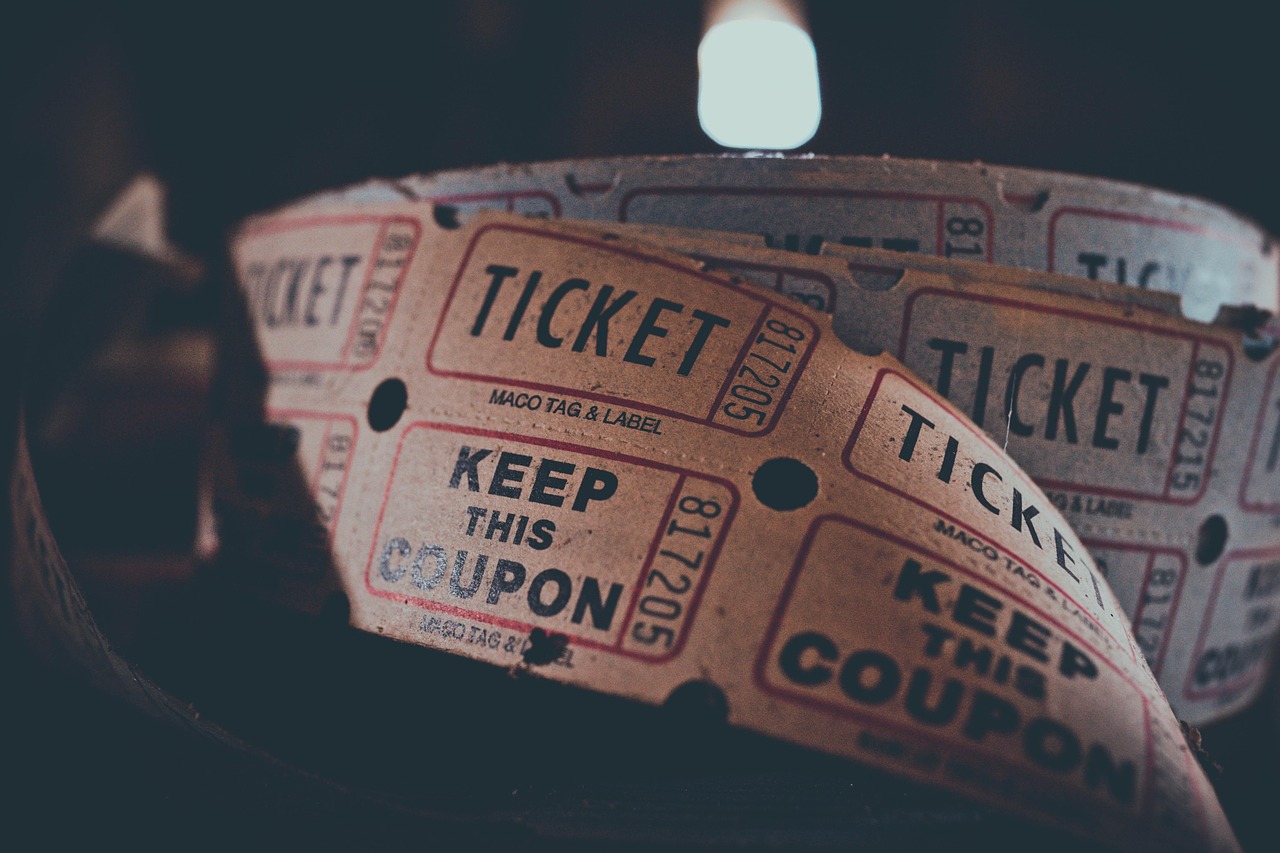
Have you ever reached into the pocket of an old winter coat, only to pull out a small, crinkled rectangle of thermal paper? It’s a movie ticket, faded to the point where the film title is barely legible. You could throw it away—it has no monetary value and serves no functional purpose—yet, you find yourself sliding it back into the pocket. Why? Because that scrap of paper is a physical anchor for a moment in time.
We live in an era of ephemeral digital consumption. Our viewing history is tracked by algorithms, and our tickets are stored as clean, sterile QR codes in mobile wallets. But there is no soul in a digital code. It doesn't carry the history of the jacket pocket it lived in, the smell of the theater popcorn, or the specific texture of the seat you sat in. The faded ticket is a tactile artifact, a piece of evidence that says: I was there. I witnessed this.
Collecting the Moments Between Frames
Every ticket stub is a bridge to a version of ourselves that no longer exists. A ticket from a first date carries the nervous electricity of that night; a solo trip to a late-night indie screening holds the quiet melancholy of a season of solitude. When we keep these remnants, we aren't just hoarding paper; we are curating a physical archive of our emotional lives.
- The 'Date Night' tickets: Tangible markers of burgeoning relationships.
- The 'Bad Movie' tickets: Reminders of the time we spent laughing at something truly terrible with friends.
- The 'Solo Journey' tickets: Milestones of independence and internal growth.
To keep a ticket is to refuse to let the moment fully dissolve. It is a small act of rebellion against the transience of modern life, a way to hold onto the light long after the screen has gone dark.
The Beauty of Imperfection
There is a unique beauty in the fading ink of a thermal receipt. As the text disappears, the object becomes more abstract, more mysterious. It becomes less about the specific film—which you can watch anytime on a streaming service—and more about the context of the experience. The ticket is a diary entry written in the language of logistics: a date, a time, a theater location.
Unlike digital files, which are perfectly preserved and instantly accessible, physical tickets decay. They yellow, they curl, they break. This process of decay mirrors our own memory. We don't remember the entire film; we remember the feeling of the theater, the person sitting next to us, or the conversation we had on the way home. The ticket, in its imperfect state, honors that fragmentary nature of human recollection.
The Archaeology of the Ordinary
When we look at a collection of old tickets, we are looking at the archaeology of the ordinary. We see a map of our movements through the city, the changing landscape of our social circles, and the evolution of our tastes. Perhaps you see a theater that was torn down to make room for condos, or a film that changed your perspective on the world.
We hoard these scraps because they are the only things that prove we weren't just observing our lives from behind a screen. They are proof of presence. So, the next time you find a ticket stub in the wash or tucked away in a book, don't discard it as trash. Recognize it for what it truly is: a small, sturdy monument to the time you spent alive in the dark, watching the world reflect back at you.