The Archaeology of the Dried Autumn Leaf: Why We Keep the Remnants of Decay
Have you ever found a pressed leaf in an old book and felt a sudden jolt of memory? Here is why we hoard the brittle ghosts of autumn.
The Story Hidden Between the Pages
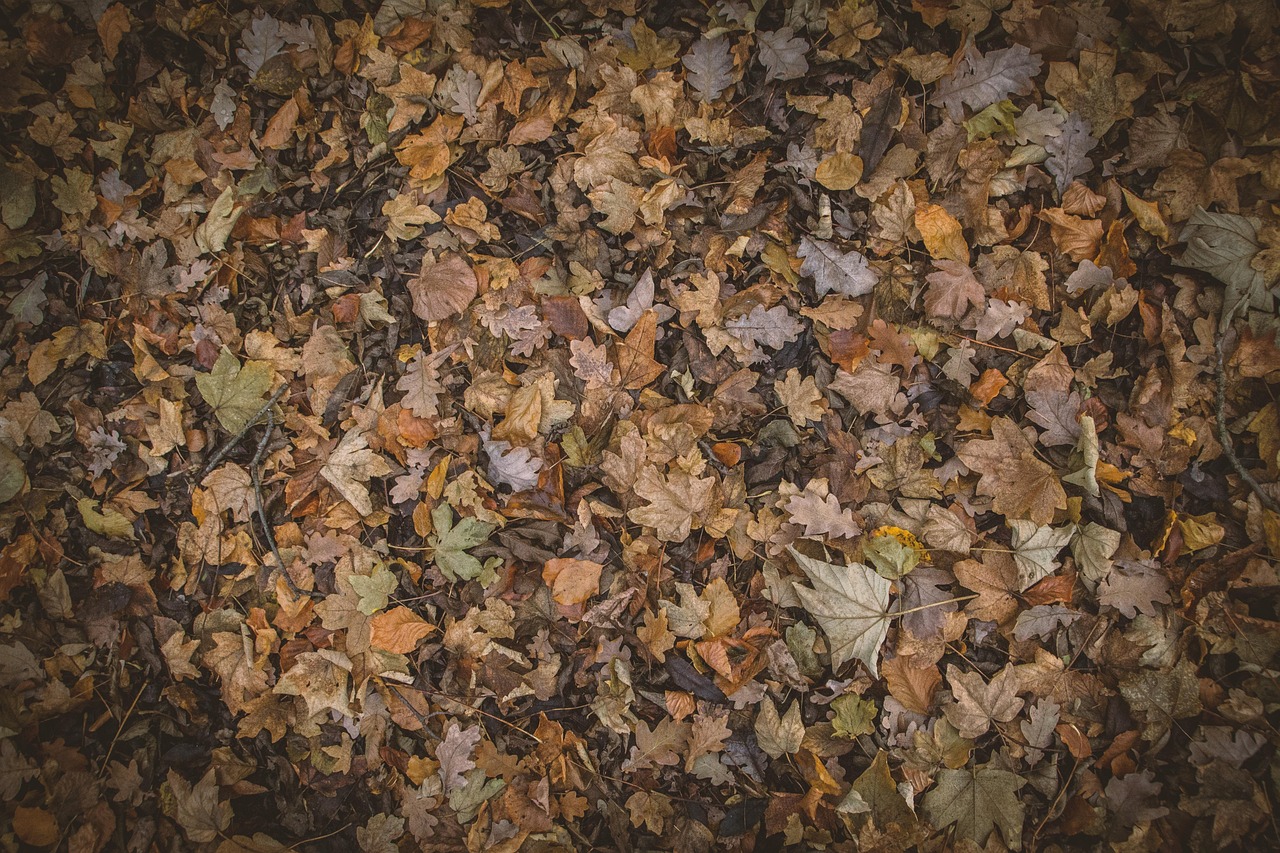
We have all experienced it: you pull a dusty book from the shelf, flip through its yellowing pages, and suddenly, a fragile, skeletal leaf slips out. It once blazed with the fiery reds and deep oranges of October, but now it is a papery, translucent ghost. It serves no practical purpose, yet we don't throw it away. Instead, we carefully tuck it back into the binding, preserving this piece of botanical debris as if it were a precious document.
This act of preservation is a form of amateur archaeology. By keeping a leaf, we are anchoring a transient moment of our lives to a physical object. The leaf is a surrogate for a specific walk, a specific conversation, or a specific version of ourselves that existed when the air turned crisp. We are not hoarding trash; we are hoarding the atmosphere of a past season.
The Stasis of Seasonal Transitions
Autumn is the season of intentional slowing down. The falling of the leaves is nature’s grand, melancholic performance of departure. When we snatch a leaf from the ground before it can decompose, we are effectively staging a rebellion against the natural cycle of decay. We want to freeze the transition, to hold onto that thin slice of time where change felt beautiful rather than destructive.
The dried leaf is a piece of living nature that refuses to return to the earth, choosing instead to reside in our personal archives as a witness to our own history.
Leaves as Maps of Identity
Every dried leaf found in the back of a drawer or between the pages of a journal tells a story about who we were. They are markers in our personal geography. Perhaps that maple leaf reminds you of a college campus you once walked across, or that oak leaf brings back the smell of woodsmoke from a weekend cabin trip. These items are the physical evidence of our internal evolution.
- The leaf as a tangible anchor for intangible memories.
- The leaf as a challenge to the relentless passage of time.
- The leaf as a quiet protest against the digital nature of modern life.
Preservation Through Fragility
Most of our possessions are designed to be durable, but the dried leaf is celebrated for its fragility. Its tendency to crumble if handled too roughly mirrors the way we treat our own memories. We know that if we are too aggressive with our recollection, the details will shatter; if we are too careless, the memory will turn to dust. The leaf demands a gentle touch, teaching us to respect the delicacy of our personal past.
Ultimately, keeping a dried leaf is a deeply human impulse. We are creatures obsessed with permanence in a world defined by change. By tucking these brittle remnants into our books, we are building a paper sanctuary for our past selves. So, the next time you find one, don't discard it. Recognize it for what it is: a tiny, skeletal souvenir from a version of you that is worth remembering.