The Alchemy of the Cracked Teacup: Embracing Our Imperfections
The Illusion of Flawless Surfaces
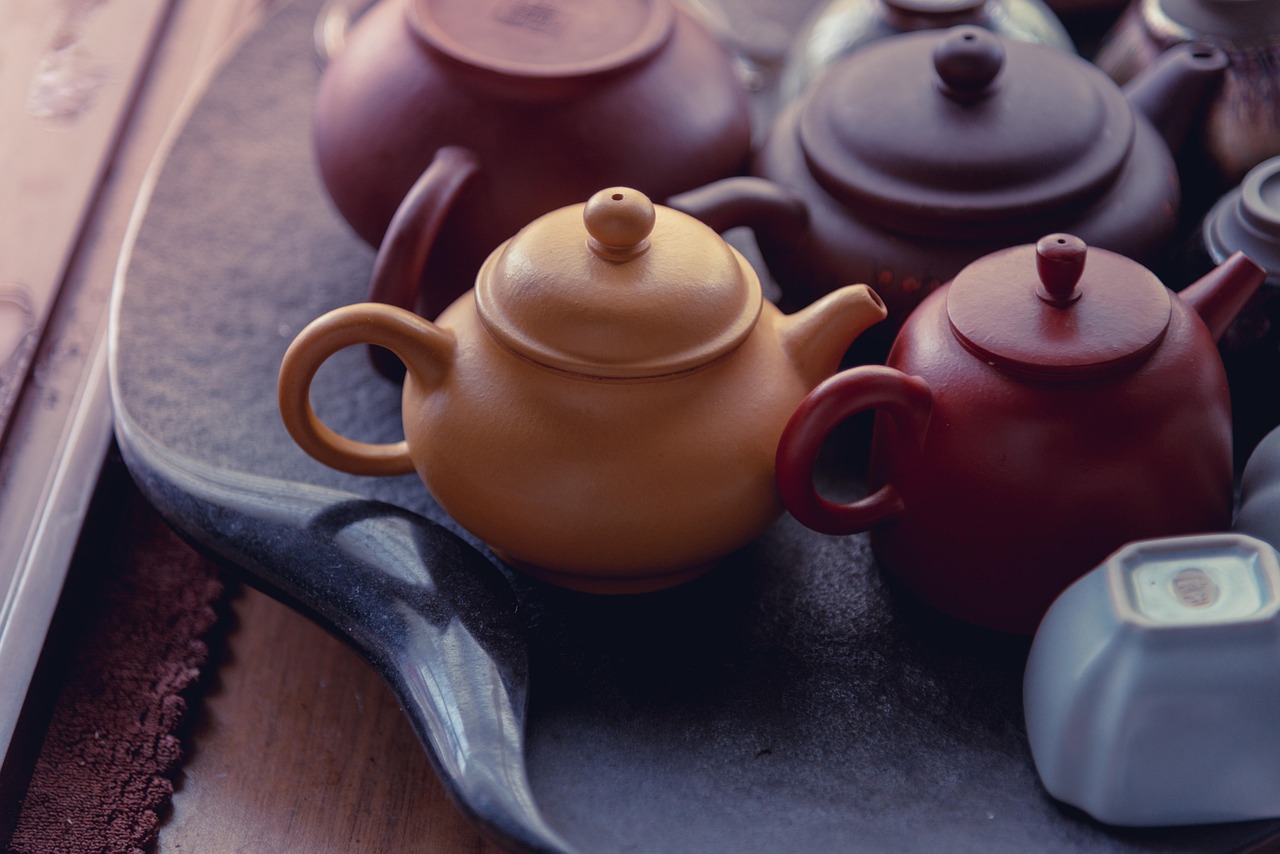
We live in an age where perfection is not just an aspiration; it is the default setting. We curate our social media feeds to remove the blemishes, we hide our fatigue behind filters, and we treat our lives like a script that must be performed without a single stutter. Yet, consider the object you reach for first in your kitchen: is it the pristine, store-bought mug that sits at the back of the shelf, or is it the slightly chipped ceramic cup that has been part of your morning ritual for years? The latter possesses a gravity that the former lacks.
When we acquire new things, they are cold and anonymous. They have no personality because they have no history. It is only through use—through the touch of our lips, the heat of the tea, and the occasional clumsy drop—that objects acquire a soul. A crack is not a failure; it is a testament to existence. It is proof that the object has lived, rather than simply occupied space on a shelf.
The Philosophy of Kintsugi
The Japanese art of kintsugi, where broken pottery is repaired with lacquer mixed with powdered gold, teaches us that damage need not be hidden. Instead, it should be honored. The repair is not meant to disguise the break, but to highlight it as part of the object's history. As the old wisdom suggests:
The golden veins do not hide the wound, they celebrate the story, making the object more valuable for having been broken than it ever was when it was new.
This philosophy is a profound metaphor for the human condition. Our mistakes, our heartbreaks, and our awkward, unpolished moments are the golden lacquer of our lives. They are the structural reinforcements that define our character. Without these experiences, we would be nothing more than featureless clay.
The Aesthetics of the Wear and Tear
Why do we fear being 'cracked'? Perhaps it is because we have been conditioned to believe that brokenness is synonymous with worthlessness. But if you look around your home, you will find that the items you cherish most are the ones that have developed a character of their own. The scratch on the table from a dinner party that got a little too lively, the faded color of a favorite book spine, or the hairline fracture in a teacup—these are not defects.
- The random scratch that reminds you of moving into your first apartment.
- The tea stain that serves as a map of long, late-night conversations.
- The chip that occurred when a friend laughed so hard the mug hit the table.
These marks are not just damage; they are memories etched in physical form. Beauty should not be limited to the new and the shiny. True aesthetic depth is a byproduct of time, and time always leaves its mark. To love something is to love its wear, its tear, and its eventual transition into something scarred but resilient.
How to Embrace the Break
The next time you or one of your belongings sustains a 'wound,' do not rush to discard it or hide it under a coat of paint. Pause and consider: perhaps this is an opportunity to start a new chapter of your history. Life is not a paved, flat road; it is a path filled with fractures, repairs, and gold-filled scars. By refusing to hide our imperfections, we show the world that we are authentic, lived-in, and present.
The takeaway is simple: stop trying to be the pristine, store-bought mug. Your cracks are your golden veins, the visual representation of your survival and your growth. Embrace the imperfections of your life, for that is where your true beauty resides.