The Household Utility Usage Baseline Audit: Cutting Your Monthly Bills
Why You Need a Utility Usage Audit
Most of us treat monthly utility bills as inevitable taxes on living, paying them blindly without questioning why the numbers fluctuate. However, a utility audit is more than just a cost-saving exercise; it is an investigation into your household's efficiency and habits. By establishing a data-driven baseline, you transform from a passive payer into an active manager of your home's resources. Understanding when and where your home consumes the most energy or water allows you to make surgical adjustments that provide long-term relief to your wallet.
Step 1. Building Your Historical Baseline
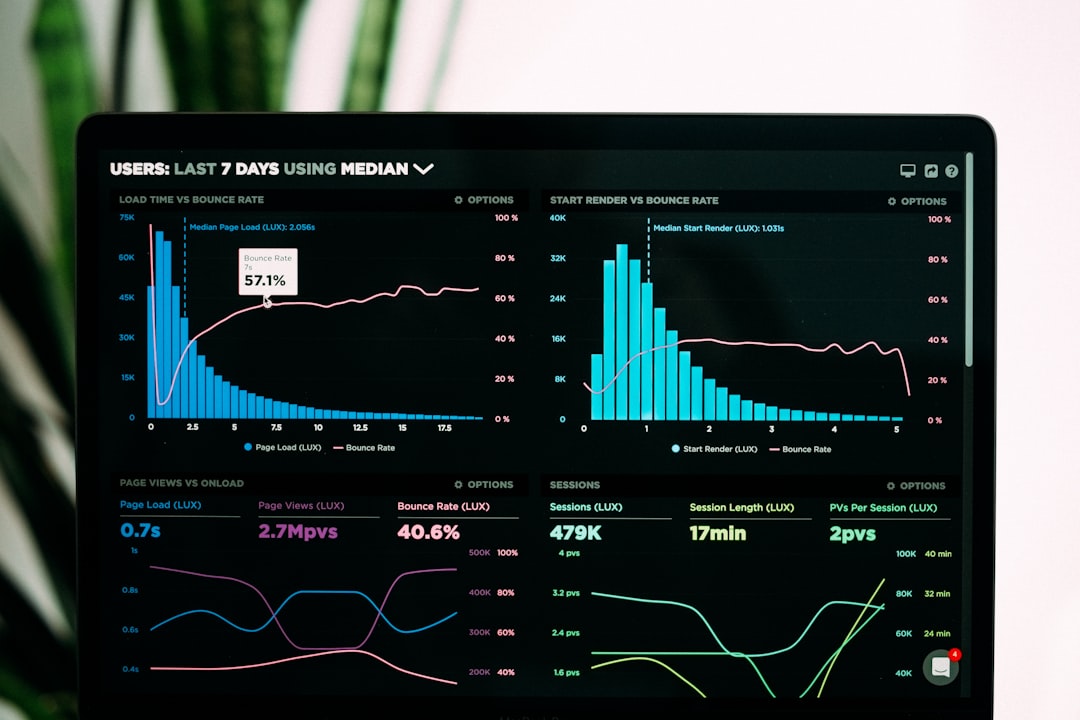
Start by gathering the last 12 months of utility statements. Create a simple spreadsheet with columns for Month, Total Consumption (kWh or cubic meters), and Total Cost. By plotting this data, you will immediately identify seasonal spikes. While some variance is expected, a massive spike in a mild month is a diagnostic red flag indicating a malfunctioning appliance or an unnoticed leak. Use this as your foundation; you cannot manage what you do not measure.
Step 2. The Midnight Vampire Hunt
Many modern electronics consume power even when turned off—a phenomenon known as standby power or phantom load. To identify these, perform a midnight audit. Turn off all lights and unplug appliances in one room at a time, checking your smart meter or utility reader. If you notice the reading is still climbing at a significant rate while everything is supposedly off, you have identified a phantom load. Typical culprits include old cable boxes, gaming consoles, and high-end coffee machines.
Pro Tip: Install smart power strips in your entertainment center and home office. These units can cut power to peripheral devices completely when the master device (like your TV or computer) is turned off.
Step 3. Detecting Hidden Water Leaks
Water leaks are silent budget killers. A toilet with a slow, invisible leak can waste hundreds of gallons a month. To test this, perform a simple isolation test: ensure all faucets are off, the dishwasher is silent, and no one is using the washing machine. Observe your water meter for 15 minutes. If the dial moves even a fraction, you have a leak. Often, a simple flapper replacement in a toilet tank or a tightened pipe fitting under the sink is all it takes to stop a steady drip of wasted money.
Step 4. Operational Optimization
Once you have identified the high-consumption areas, change your behavior to match the data. Run your dishwasher and laundry machine only when fully loaded, and if your utility provider offers time-of-use pricing, shift heavy-duty tasks to off-peak hours. Furthermore, perform regular maintenance on your appliances; a clogged dryer vent or a dusty refrigerator coil forces the motor to run significantly longer and hotter, consuming far more electricity than necessary to perform the same task.
Remember that this audit is not a one-time event; it is a mindset. Review your usage stats every three months to ensure your baseline remains stable. By treating your household like a business, you stop leaking money into inefficient habits and start building a more sustainable and cost-effective home environment.