The Art of Seasonal Clothing Rotation: A Practical Guide
Why Seasonal Rotation Matters
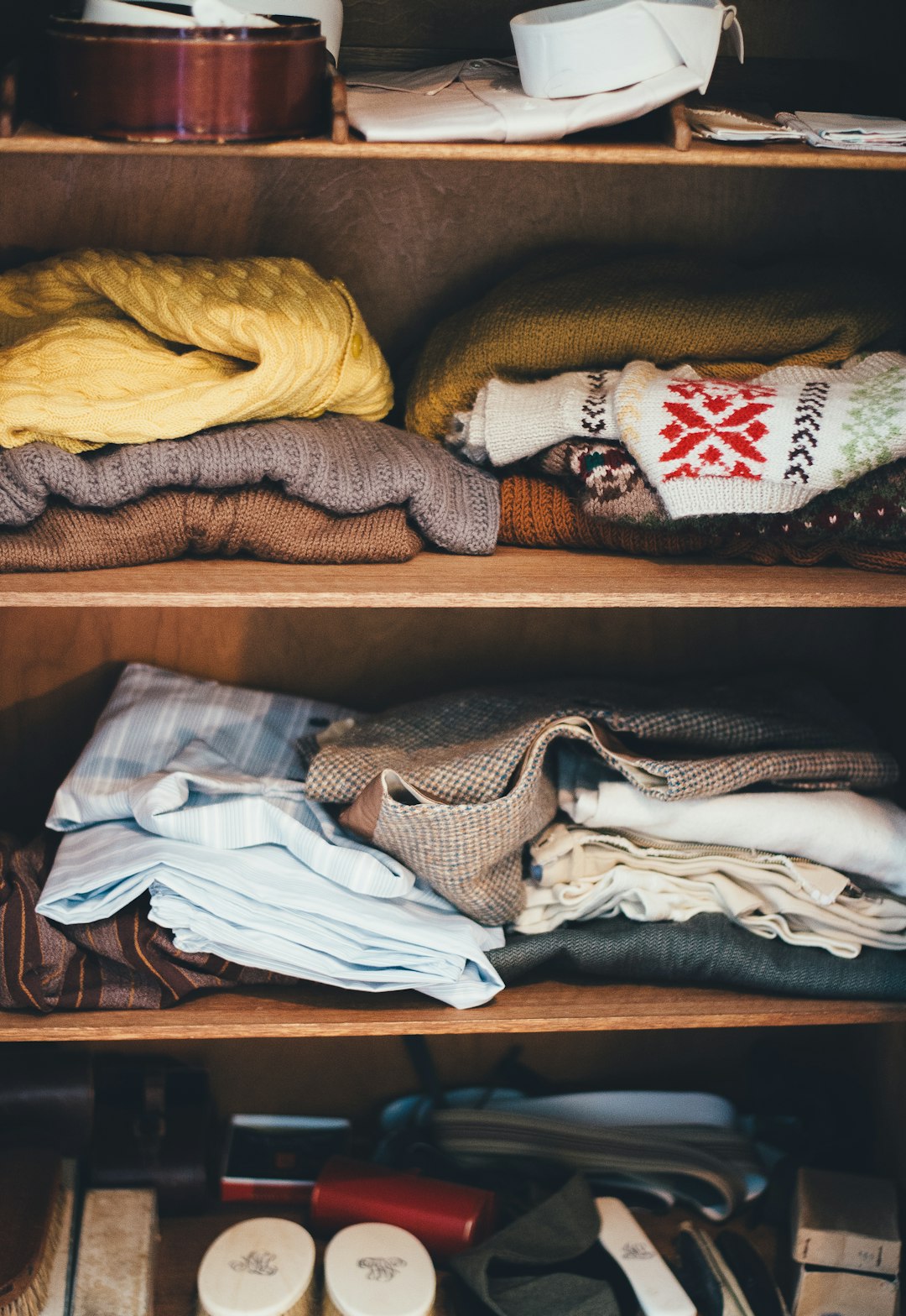
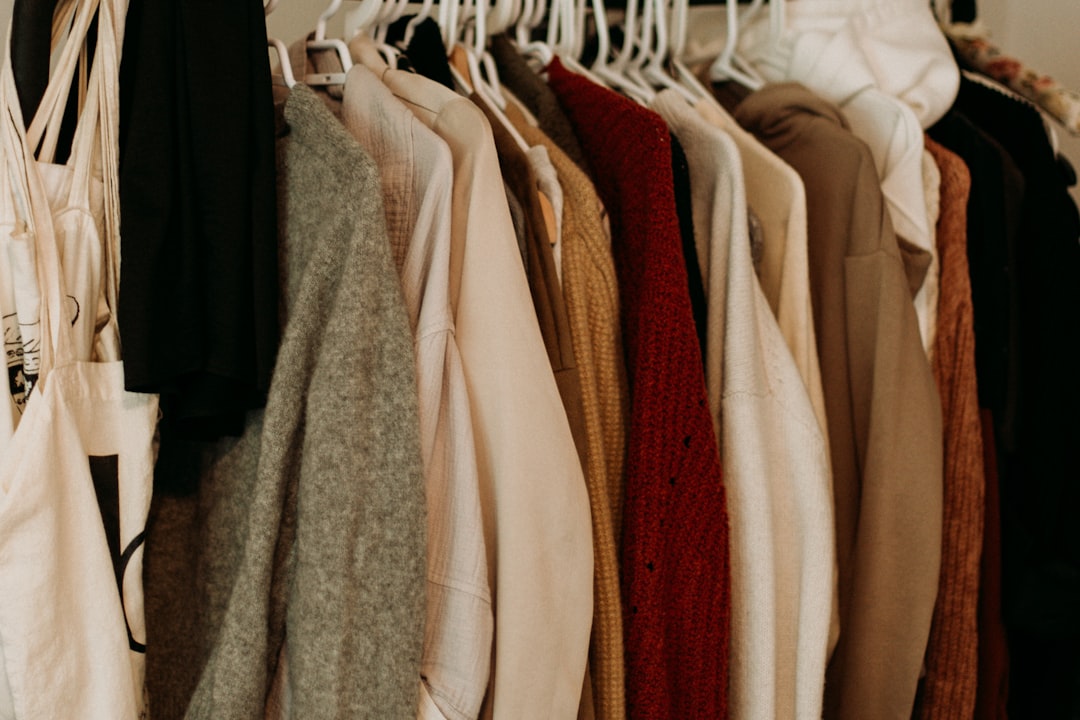
For many, a closet turns into a chaotic mess when the weather shifts. Seasonal clothing rotation is not just about clearing space; it is about gaining clarity on what you actually own. When your summer shorts aren't competing for hanger space with your heavy winter coats, your morning routine becomes significantly faster and more enjoyable.
This process also provides a perfect recurring opportunity to audit your wardrobe, purge items you no longer wear, and preserve your favorite pieces through proper off-season storage techniques.
Step 1: Sorting and Deep Cleaning
Before any item goes into storage, it must be thoroughly cleaned. Never store clothing that has been worn, even if it looks clean. Residual body oils, perfumes, or food particles can attract pests and cause fabric degradation over time. Wash or dry-clean every item you intend to store for the next season.
- Repair loose buttons or small tears before storing.
- Donate or discard items you haven't worn in the last 12 months.
- Categorize items: sweaters, trousers, accessories, and outerwear.
Step 2: Choosing the Right Storage Containers
Plastic bins are popular, but they can trap moisture if not properly ventilated. Breathable fabric bags or cotton garment covers are significantly better for long-term storage. Avoid cardboard boxes if you are storing items in damp areas like basements or garages, as they are magnets for mold and silverfish.
When packing your seasonal items, tuck in cedar blocks or lavender sachets. These natural repellents not only keep pests away but also ensure your clothes smell fresh when you bring them out next year.
Step 3: Optimizing Your Space
If you are tight on space, vacuum-seal bags are a game-changer for bulky items like duvets and thick winter coats, often reducing volume by up to 70 percent. However, be cautious with high-quality wool or down-filled items, as these materials can lose their loft and shape if compressed for too long.
Common Mistakes to Avoid
- Leaving clothes in plastic dry-cleaning bags: The chemicals can damage fabrics over time, and the trapped moisture causes yellowing.
- Overstuffing the closet: Clothing needs to breathe to prevent mildew; if your closet is packed tight, move more items to storage.
- Forgetting to label: Use clear labels on your storage bins so you don't have to rip everything open to find a specific sweater.
Seasonal rotation is the simplest, most effective way to keep your home organized and your wardrobe functional. Remember, the goal is not just to clear space, but to curate a collection of clothing that you truly enjoy wearing when the right season arrives.