The Art of Micro-Local Neighborhood Mapping: A Practical Guide
Learn how to map the hidden treasures of your own neighborhood and become an explorer of your daily environment.
Why Map Your Own Neighborhood?
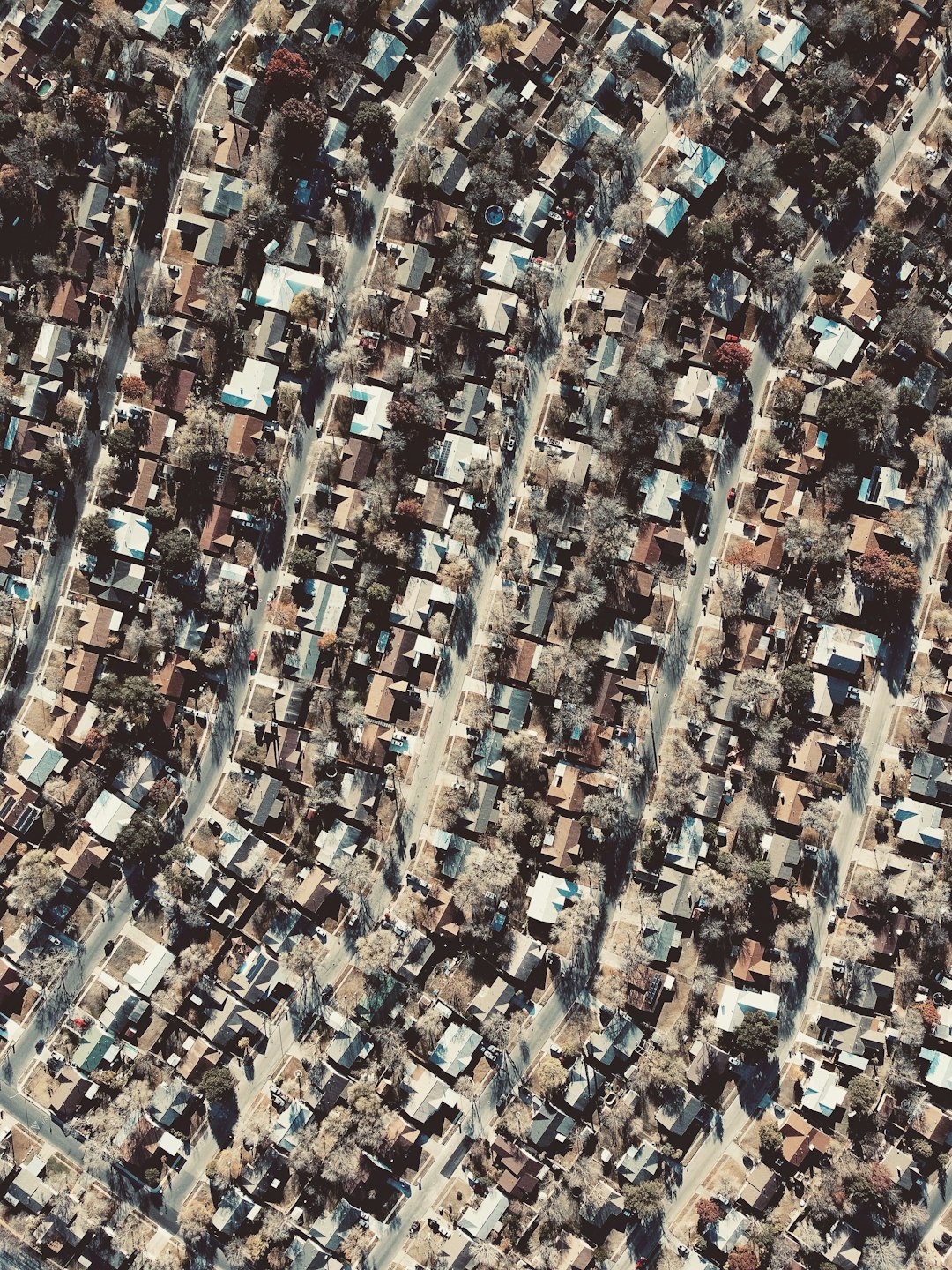
We often live in places that feel familiar, yet we overlook countless details—be it old historical plaques, artisan workshops tucked away in alleys, or unexpectedly quiet pocket parks. Micro-local mapping is a process that allows you to step off autopilot and view your surroundings with fresh eyes. It not only helps you navigate better but deepens your connection to the community, turning a mundane walk into an investigative mission.
Step 1. Preparation and Toolkit
You do not need specialized software or expensive gear. Start with a plain sheet of paper, a pencil, and a set of colored markers. Select an area within a 500-1000 meter radius of your home. It is also helpful to have a camera or phone to capture details. Your goal is not to create a geographically accurate survey map, but to capture your subjective experience of the space on paper.
Mapping is not just a drawing exercise; it is an act of observation. Every mark on your map should tell a story about why that place matters to your daily experience.
Step 2. Fieldwork and Observation
Go for a walk without a specific destination in mind. Focus on your senses: which street smells like fresh bread, where do birds sing the loudest, or where is the pavement unusually smooth? Record these key items:
- Favorite benches or resting spots.
- Interesting architectural details or street art.
- Small local shops you previously ignored.
- Pocket parks or corners of urban nature.
Step 3. Refining Your Map
Upon returning home, transfer your notes onto a clean sheet of paper. Use colors to categorize different types of information. For instance, use green for restful zones, red for high-traffic or uncomfortable areas, and blue for points of interest or calming spots. This becomes a unique emotional map of your neighborhood that reflects your personal journey.
Common Mistakes and Tips
Do not try to map everything at once. Many people fall into the trap of over-complicating the project, leading to burnout. Instead, focus on one theme at a time, such as "the best shaded spots in the district" or "a collection of interesting doorways." Remember, this is a creative practice, not a chore. Consider sharing your map with neighbors—they might add their own favorite hidden spots to your document.
Micro-local mapping fundamentally changes your relationship with your immediate environment. You stop being a passive resident and become an active participant in local life, finding beauty where others see only transit space. By slowing down, you transform your neighborhood from a simple place of residence into a landscape of discovery.