A Practical Guide to Preserving and Restoring Family Heirlooms
Protect and restore your family's precious artifacts and photographs to ensure they last for generations to come.
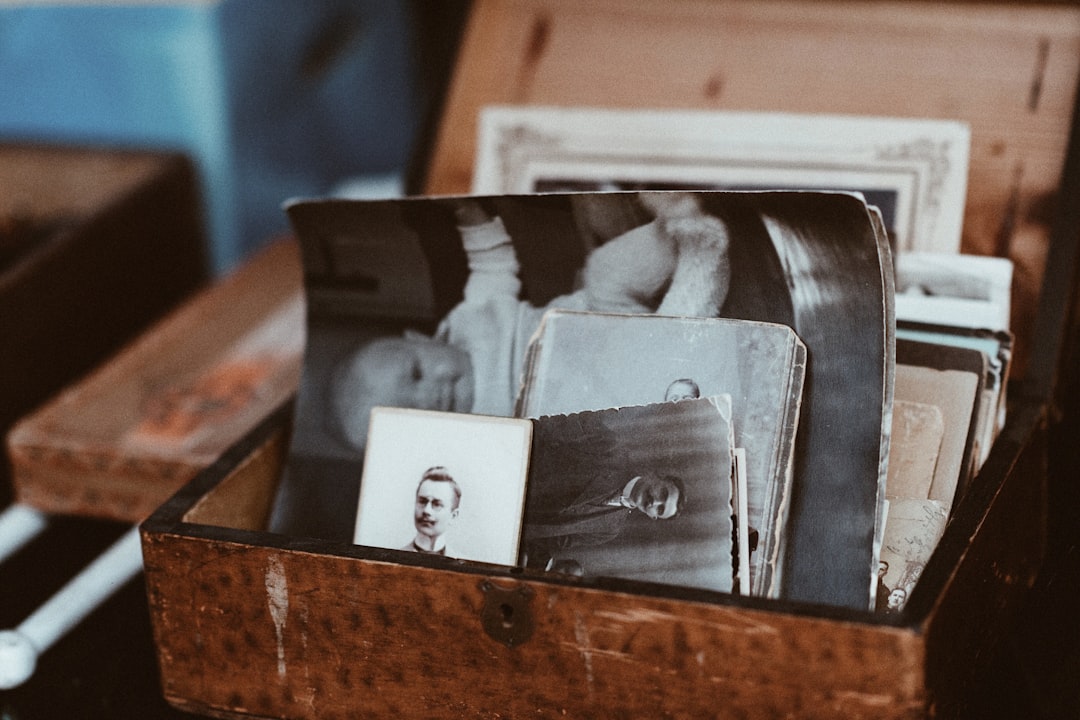
Every family carries a history that lives not just in memories, but in tangible objects—faded photographs, handwritten letters, tarnished watches, or delicate heirloom textiles. These items are bridges between the past and the future, yet they are fragile and susceptible to decay. Without proper care, these physical connections to our ancestors can be lost forever. This guide provides a practical framework for stabilizing and preserving your family treasures.
Preserving Photographs and Paper Documents
Paper is incredibly sensitive to environmental changes. Old photographs often suffer from yellowing, cracking, or mold due to improper storage. The gold standard for preservation is using archival-safe materials. Avoid "magnetic" albums or cheap plastic sleeves, which contain chemicals that eat away at image emulsions over time.
- Use acid-free, lignin-free folders and sleeves for storage.
- Store items in a cool, dry, and dark environment; fluctuations in temperature and humidity are the greatest enemies of paper.
- Never use adhesive tape or glue on original documents.
- Prioritize digitization: scanning your photos at high resolution creates a safety net, allowing you to share the image without handling the fragile original.
Our past is materialized in these small objects; by preserving them, we protect the continuity of our own identity.
Cleaning Metals and Jewelry
Heirloom metals like silver, brass, or copper naturally oxidize. A common mistake is using harsh commercial cleaners, which can strip away original surfaces or leave microscopic scratches. For most items, a simple wipe-down with a soft, lint-free microfiber cloth is sufficient.
If an item has significant antique value, consider leaving the "patina"—the natural dark layer that forms over time. Collectors often value this look, and removing it can decrease the item's historical integrity. If you are unsure about the value, consult a professional conservator before attempting any deep cleaning.
Caring for Textiles and Fabrics
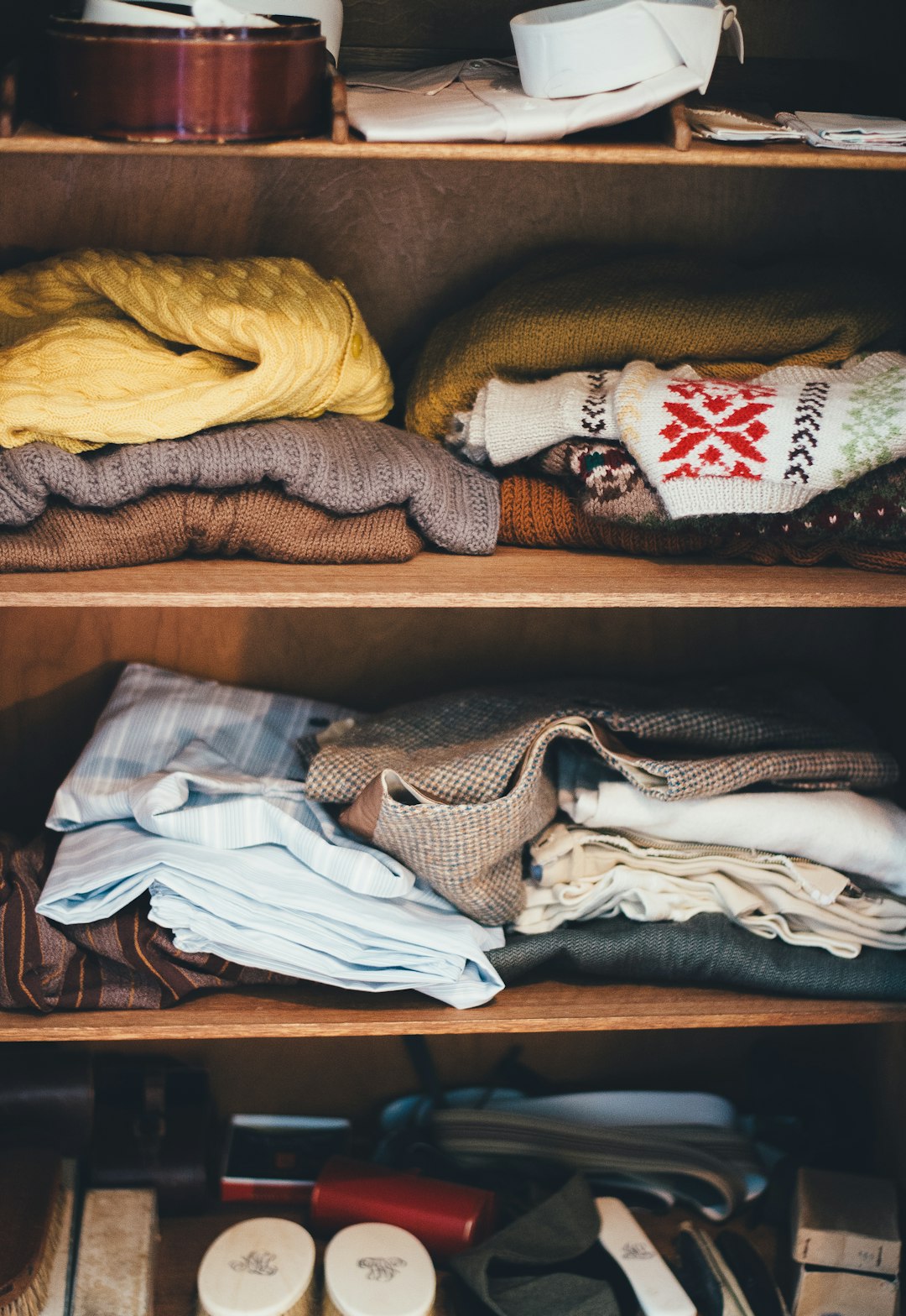
Antique lace, wedding gowns, or embroidered linens require a breathable environment. Never store textiles in airtight plastic bags, as these can trap moisture and promote mildew growth. Instead, use cotton garment bags or acid-free boxes lined with tissue paper.
- Wash only when absolutely necessary, and only with neutral-pH, gentle detergents.
- Remove metal pins or wire hangers, which rust and cause permanent staining.
- Use acid-free tissue paper to pad folds; this prevents the fibers from breaking down along the creases over time.
Organization and Documentation
The most important part of heirloom care is context. An object without a story is just an object. Attach a small, acid-free tag to each item or create a digital ledger noting who owned it, the approximate date, and any known anecdotes. This provenance is often more valuable than the item itself.
Do not hesitate to contact professional restorers if an item is severely damaged. Amateur repairs, while well-intentioned, can cause irreversible harm. Remember that your goal is preservation, not necessarily making the object look brand new. The patina of age is a testament to the life that object has lived.
Caring for family heirlooms is a meditative process that allows you to connect more deeply with the lives of your ancestors. By taking these small, deliberate steps, you are ensuring that the stories of your family remain vibrant and accessible for the generations that follow.