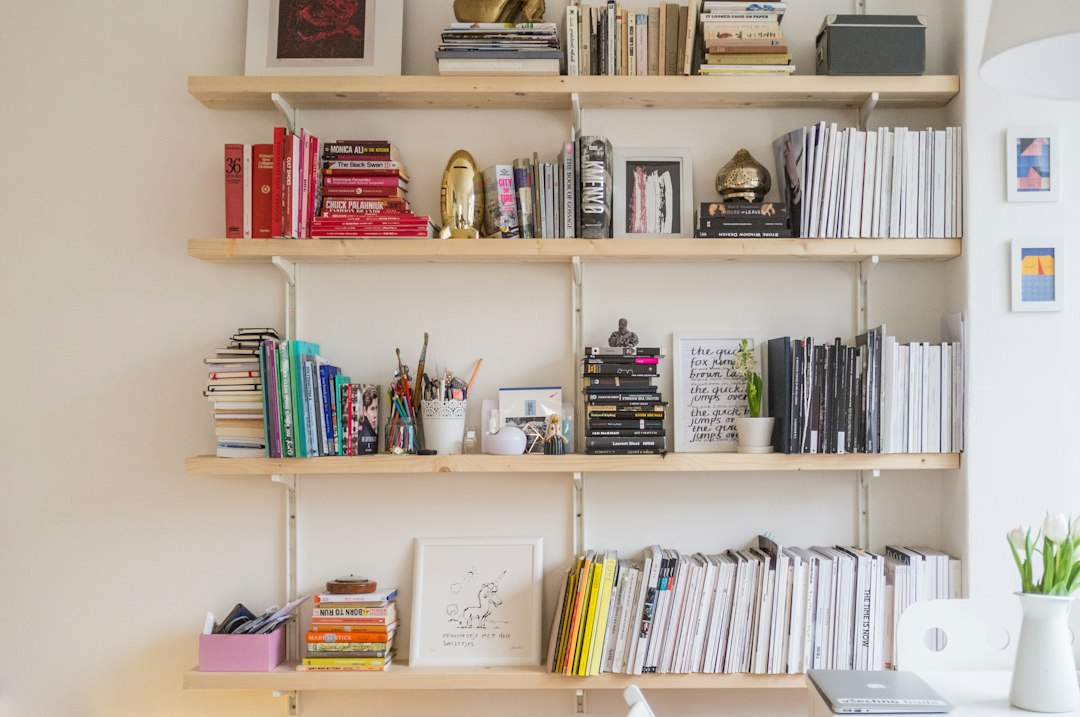
The Personal Library Curation Protocol: Building a Meaningful Collection
Why Your Library Needs a System
Most of us accumulate books over years—impulse buys, gifts, and half-finished reads scattered across nightstands and shelves. A library is not just a storage unit for paper; it is an extension of your intellectual landscape. When your books are disorganized, the knowledge trapped within them becomes inaccessible. This protocol is designed to turn your collection into a functional tool that supports your goals and sharpens your focus.
Step 1: The Ruthless Audit
The first step requires total honesty. Remove every book from your shelves and place them on the floor. Group them into three piles: Keep, Gift, and Recycle. Ask yourself: Has this book contributed to my intellectual or emotional growth in the last five years? If the answer is no, it is merely taking up physical and cognitive space. Do not keep books out of a misplaced sense of guilt; pass them on to someone who will actually read them.
Step 2: Thematic Mapping and Accessibility
Avoid rigid library classification systems like Dewey Decimal unless you are managing a public institution. Instead, organize by your current life priorities. Create categories such as Professional Development, Fiction, Philosophy, and Creative Hobbies. Place the books you reference daily at eye level. If a book is part of your current study, keep it on your desk, not on a remote shelf.
Your library is not a monument to the books you have read, but a toolkit for the person you are becoming.
Step 3: Preservation and Maintenance
Books are organic objects that respond to their environment. Keep them away from direct sunlight, which bleeds ink and yellows paper, and avoid damp areas to prevent mold. Dust your shelves at least once a year using a soft microfiber cloth or a brush attachment. If a book is a heirloom or a favorite, consider acid-free archival covers to prevent further degradation.
Common Mistakes and Pro-Tips
- Mistake: Organizing by spine color. It looks aesthetic on social media, but it makes finding specific information impossible.
- Mistake: Overcrowding shelves. Books need airflow to prevent moisture buildup.
- Pro-Tip: Keep a small 'Outbox' near the door for books you are ready to pass on to friends.
- Pro-Tip: Use a simple spreadsheet or app to log titles you own so you don't buy duplicates.
Curating your library is an ongoing dialogue with your past and future self. Allow your collection to breathe and evolve as your interests shift. Each new book that enters your home should have a purpose, ensuring your intellectual environment remains clear, inviting, and primed for discovery.