The Art of At-Home Coffee Cupping: A Practical Guide
Why Master the Art of Coffee Cupping
Coffee cupping is not just a fancy way to drink coffee; it is the industry-standard methodology for evaluating the quality, aroma, and flavor profiles of coffee beans. By learning this systematic approach, you move beyond subjective 'I like this' or 'I don't like this' reactions and start understanding the 'why' behind the flavor. It is a sensory training exercise that empowers you to select better beans, calibrate your palate, and gain a deeper appreciation for the agricultural origins of your morning brew.
Essential Tools and Preparation
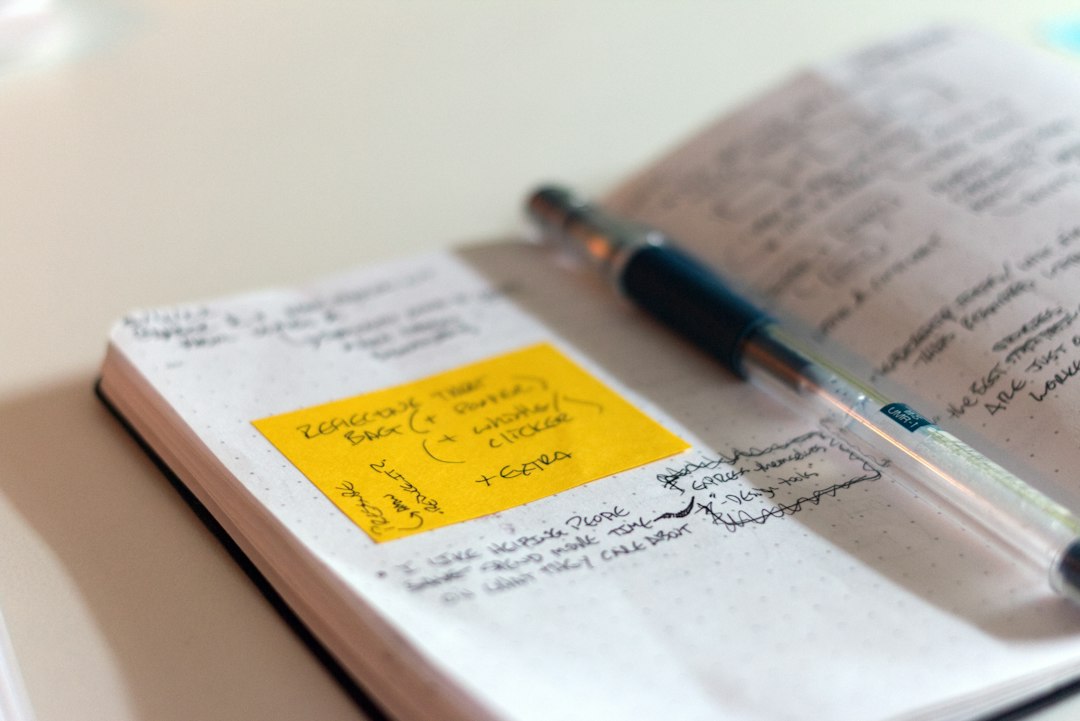
You do not need an expensive lab to cup coffee at home. The goal is consistency so that you can compare different beans fairly. You will need a digital scale, a burr grinder, small bowls (same size), cupping spoons, and filtered water. The golden ratio for cupping is typically 8.25 grams of coffee for every 150 ml of water. Heat your water to about 92-94 degrees Celsius (just off-boil). Keep a notepad handy to track your findings, as the goal is to build a personal flavor library.
Step-by-Step Cupping Procedure
- Evaluate Dry Aroma: Grind your beans to a medium-coarse consistency. Smell the grounds in the dry bowls before adding water to detect the base notes.
- The Pour and Steep: Pour the water evenly over the grounds. Let it sit undisturbed for exactly 4 minutes. You will see a 'crust' of grounds form at the top.
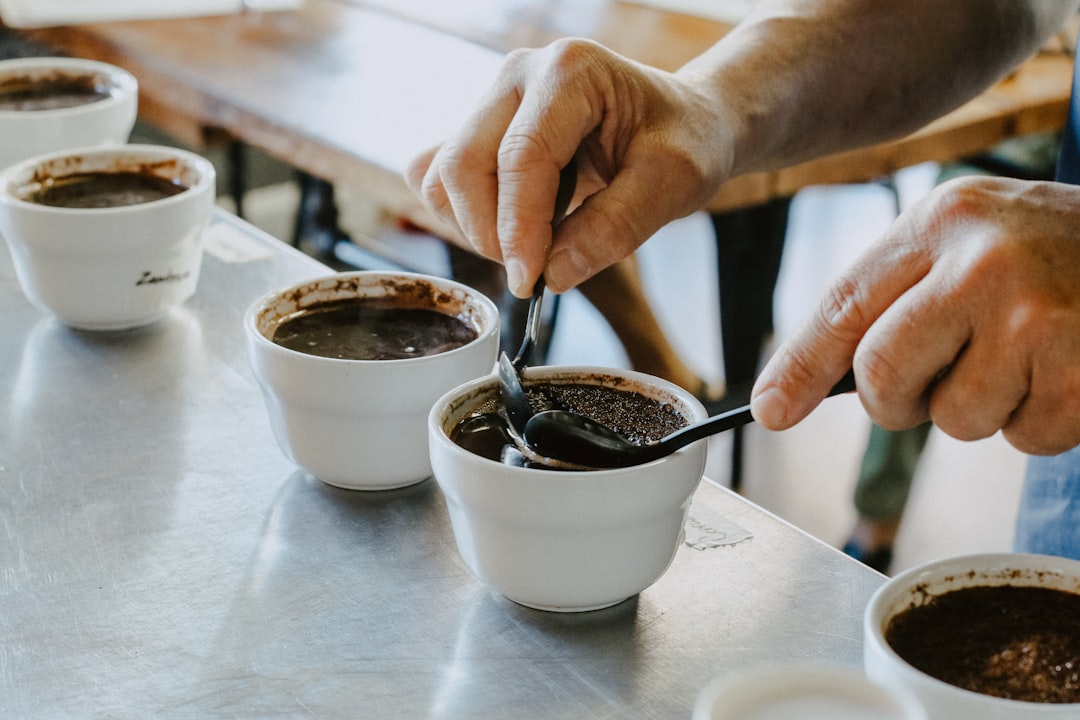
- Breaking the Crust: After 4 minutes, use your spoon to gently push the crust away while leaning in to catch the burst of aromatics released.
- Skimming: Use two spoons to skim off any remaining foam and floating grounds, leaving a clean liquid surface.
- The Slurp: Wait for the coffee to cool to a drinkable temperature. Take a spoonful and slurp it loudly. This sprays the coffee across your entire palate, allowing you to identify body, acidity, and sweetness.
Coffee cupping teaches patience. Never rush to conclusions after the first sip; flavor profiles change significantly as the temperature drops, revealing notes you might miss if you drink too quickly.
Common Mistakes and Pro Tips
The most common mistake is using boiling water, which extracts harsh, bitter compounds that mask the delicate flavor notes. Aim for the 92-94 degree range. Another mistake is forgetting to rinse your spoon between samples; always keep a glass of hot water nearby to clean your spoon to prevent cross-contamination. Use the 'Coffee Taster's Flavor Wheel' as a reference guide. When you taste a hint of fruit, look at the wheel to see if it is stone fruit, citrus, or berry. This helps bridge the gap between your tongue and your vocabulary.
By practicing cupping regularly, you transform your relationship with coffee from a routine habit into a deliberate ritual of discovery. You will eventually be able to identify the processing method, the altitude, and even the specific region of a bean just by its profile. Start with three different origins side-by-side to make the differences obvious, and enjoy the journey of becoming your own home barista expert.