Star-Hopping: A Practical Guide to Navigating the Night Sky
Master the art of star-hopping to locate distant galaxies and nebulae using nothing but your eyes, a simple pair of binoculars, and a map.
Why Learn Star-Hopping?
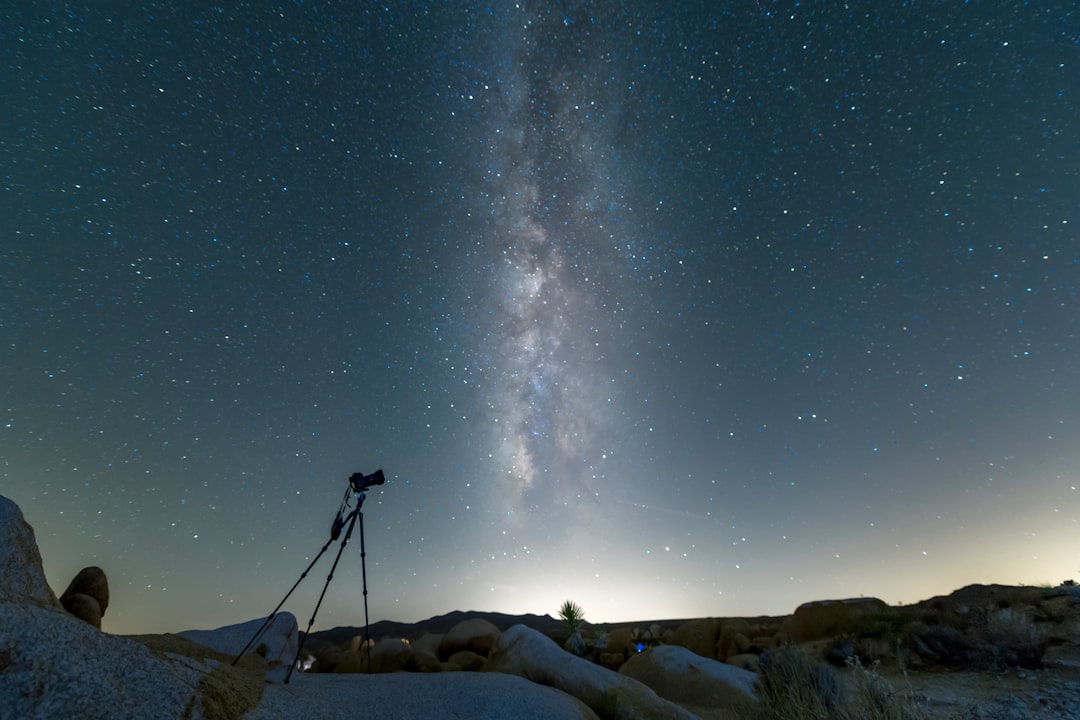
Many beginners purchase expensive telescopes, connect them to computers, and become frustrated when the software fails or they lose their orientation. Star-hopping is an ancient, reliable, and deeply rewarding method that allows you to find faint galaxies, nebulae, and star clusters by using bright, easily identifiable stars as stepping stones. This skill doesn't just help you find objects; it builds a genuine relationship with the night sky, turning the vast expanse above into a familiar territory you can navigate with confidence.
Step One: Gear Selection
You do not need a massive observatory-grade telescope to start. In fact, a simple 10x50 pair of binoculars and a quality printed star map are far superior for learning. Binoculars provide a wide field of view, which helps you compare what you see in the sky directly to your map. Avoid the cheap, high-magnification department store telescopes; they are notoriously unstable and difficult to aim, often leading to immediate discouragement.
In amateur astronomy, the most important specification is not magnification, but the aperture—the ability of your gear to collect light.
Step Two: Finding Your Anchors
Start by memorizing the most prominent constellations in your hemisphere, such as Ursa Major, Cassiopeia, or Orion. These are your celestial lighthouses. Once you can identify these without hesitation, learn to measure the distance between stars using your hand. A clenched fist held at arm's length covers about 10 degrees of the sky. This simple anatomical tool allows you to accurately translate the distances on a paper map into physical movements across the night sky.
Step Three: The Star-Hopping Technique
- Identify a bright, recognizable star near your target object on the star map.
- Center your binoculars on this anchor star.
- Slowly move your gaze or binoculars toward your target, following a pattern of smaller, dimmer stars that act as a visual path.
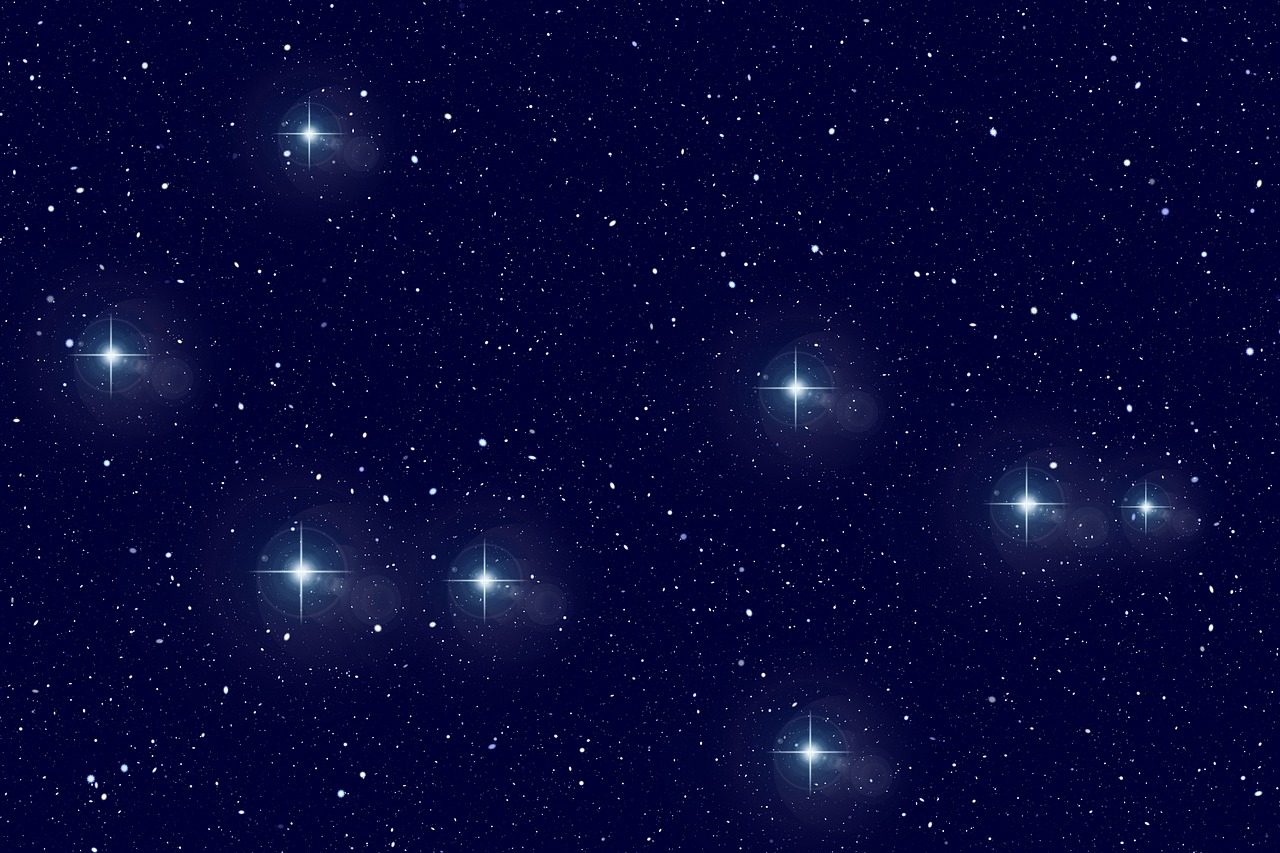
- Look for geometric shapes formed by these stars—triangles, lines, or curves—that match the patterns on your map.
- Once you reach your destination, look for a faint, fuzzy patch of light that doesn't look like a pinprick star; that is your target.
Common Mistakes and Pro-Tips
The most common mistake is failing to preserve night vision. It takes your eyes about 20 minutes to fully adapt to the dark; one glance at a bright white phone screen will reset that progress instantly. Use a red-light filter or a dim red flashlight to read your maps. Additionally, always dress significantly warmer than you think you need to. Standing still while observing will chill you much faster than walking, even on a mild summer night.
Astronomy is a practice of patience, but the reward of spotting the Andromeda Galaxy or the Pleiades cluster for the first time on your own is incomparable. Do not rush the process, enjoy the silence of the night, and let the universe reveal its secrets to you one hop at a time.