Amateur Architectural Forensics: A Practical Guide to Reading Your Building's History
The Art of Building Archaeology
We often walk past historic structures without noticing the stories they are actively trying to tell us. Architectural forensics, or building archaeology, is not just about digging through dusty archives; it is a skill that allows you to read a facade like an open book. By understanding why a building was constructed in a specific way, you connect with your environment on a deeper, more meaningful level.
Step 1: Observing the Layers of the Facade
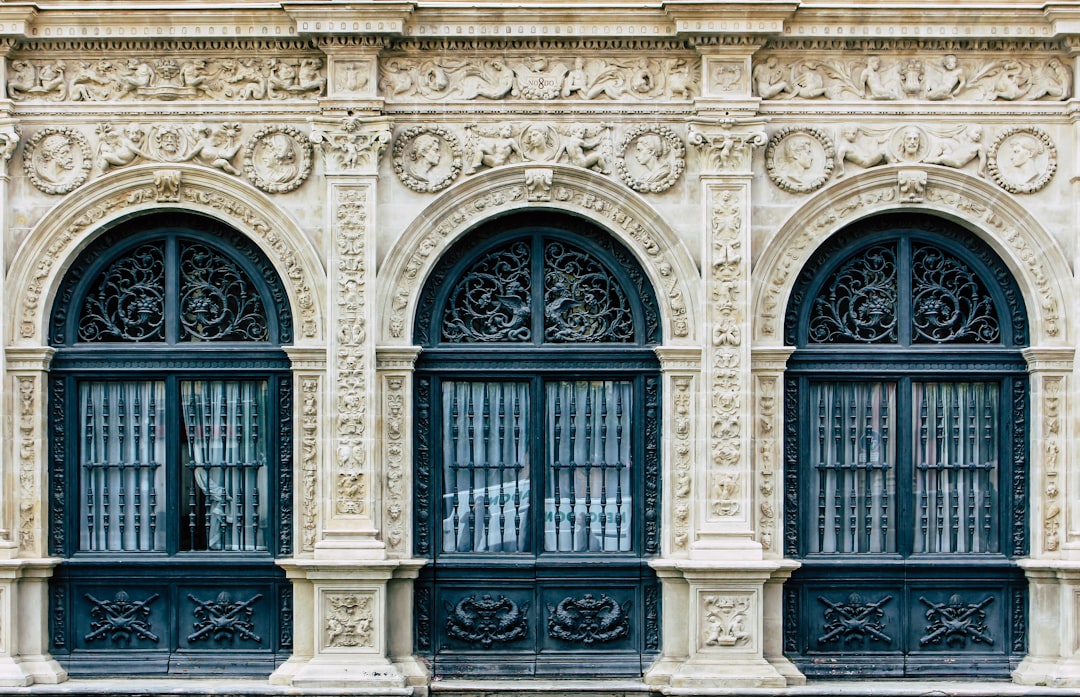
Start by observing your own home or a local historic building. Old structures have often undergone multiple renovations, additions, and subtractions. Look for inconsistencies in brick color, filled-in window gaps, or disparate architectural details that don't quite match the rest of the structure. This is the essence of building archaeology.
- Look for 'ghost signs' or filled-in brickwork where doors or windows used to be; these reveal the building’s original floor plan.
- Compare the foundation materials to the upper levels; often, the base is local stone, while the upper structure represents a later, more industrialized period.
- Take high-resolution photos of details; the camera often captures subtle textures and mortar joints that the naked eye misses in the glare of the sun.
Step 2: Leveraging Urban Archives
Once you have gathered visual data, move to research. Many cities have digitized historical records or online map layers. Look for your address in old fire insurance maps (like Sanborn maps in the US), which provide the exact footprint and structure type of buildings as they existed in specific decades. These maps are the gold standard for amateur forensic work.
Architecture is the frozen voice of time; every cornice, lintel, and window frame serves as a timestamp for the technologies and social aspirations of its era.
Step 3: Organizing Your Findings
Create a 'Building Case File.' You can use a simple physical binder or a digital notebook like Notion or Obsidian. Log the estimated construction date, identified phases of renovation, and stylistic markers. This process is not only intellectually stimulating but also contributes to the preservation of local history, as you become a steward of the knowledge surrounding your neighborhood.
Common Mistakes and Expert Tips
Avoid assuming a building's age based solely on its surface appearance; many historic homes received 'modern' veneers in the mid-20th century that hide their true structural age. Always look at the roofline and the chimney placement, as these are often the last elements to be altered during renovations. If you get stuck, look for local historical society forums; they are often eager to help amateur enthusiasts decode specific architectural anomalies.
In summary, architectural forensics requires nothing more than patience and a keen eye for detail. By transforming your daily commute into an investigative journey, the streets you walk become more than just transit routes—they become a living museum where every brick has a story waiting to be decoded.