The Inheritance of Empty Chairs: When They Come Back
The Price of Silence
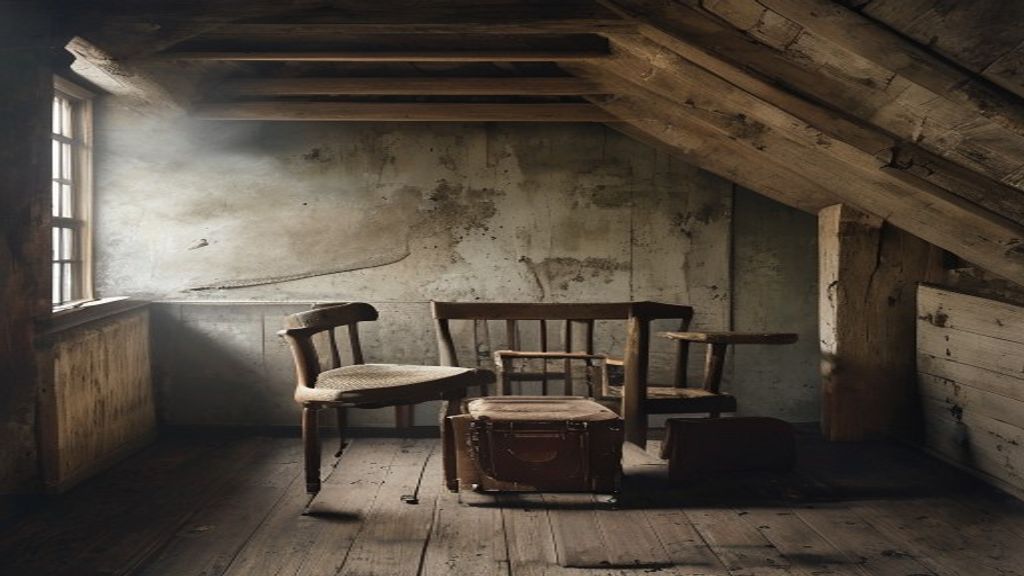
When my father died, my siblings vanished, leaving me with nothing but a crumbling, damp house that felt more like a tomb than a home. They told me I was the one who 'loved the place,' so I should stay and manage the taxes they refused to pay. I worked two shifts at the factory for seven years, my hands calloused, my spine aching, just to keep the roof from caving in. Not a single phone call. No one checked if I was warm in the winter or if I had enough to eat. I was the ghost in their family ledger, the one who didn't exist until I became useful.
The Uninvited Return
One Tuesday, after I had finally finished the renovations—replacing the rotting floorboards and turning the wild, overgrown backyard into a garden—they appeared. A caravan of shiny cars pulled up to the gate. My brother, Arthur, walked in with that familiar, predatory smile, acting as if we had spoken just yesterday. 'We decided it’s time to start having family gatherings here again,' he said, while my sister, Elena, was already measuring the windows for curtains. They moved through the rooms with an entitlement that made my skin crawl.
People do not return to apologize for leaving you behind; they return to claim the harvest you spent years planting in the dark.
The Ledger of Truth
I didn't yell. I didn't lock the door. I simply sat at the head of the dining table and placed a thick, leather-bound folder in front of them. Inside were ten years of utility bills, tax receipts, property maintenance logs, and a precise calculation of my labor at the local market rate. 'You have two choices,' I said, my voice steady for the first time in my life. 'You either write a check for the total amount owed to me for managing this property, or I sell the house tomorrow. If I sell, the proceeds cover my labor first, and you get whatever is left—which will be nothing.'
The Exit
Their faces went pale. Arthur tried to laugh it off, calling it 'ridiculous,' but when he saw the legal stamps and the signatures, his bravado crumbled. They were used to a version of me that was a doormat, someone who was too afraid of loneliness to ever demand respect. They expected me to be their free caretaker forever. They left that evening, slamming the gate behind them, and they never came back. The silence in the house now is different; it isn't the silence of neglect, but the silence of peace. I earned every inch of this space, and for the first time, the chairs at my table are empty by my own choosing.
The real test of character isn't how you handle the people who walk away, but how you treat the ones who try to walk back in.