The Fenceline Betrayal
When my neighbor decided to annex a slice of my garden, I kept quiet—until the truth surfaced from beneath the soil.
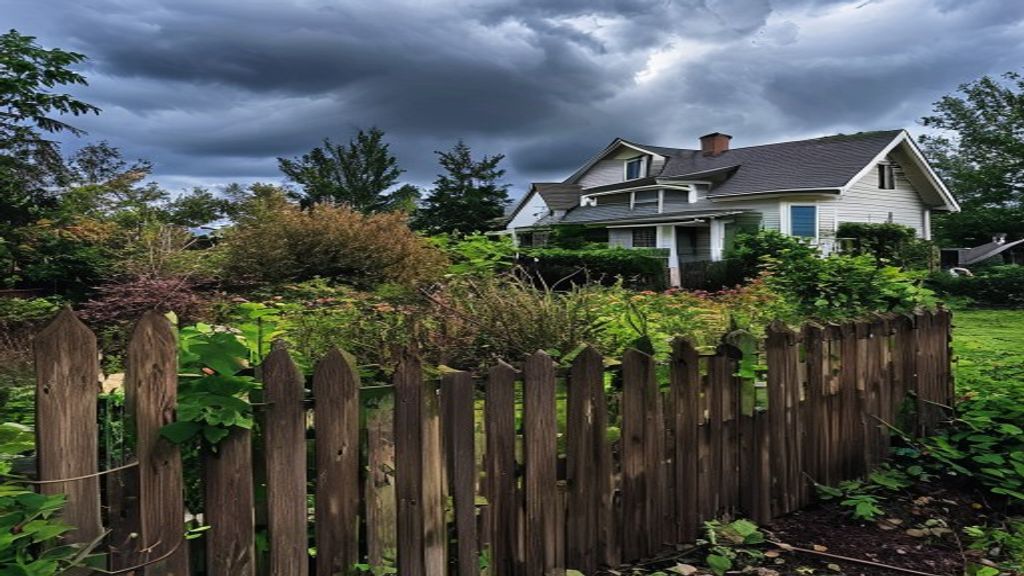
The Violation of Boundaries
It started on an ordinary Tuesday when my neighbor, Arthur, decided that the boundary between our properties was "misaligned." I returned home from work to find contractors dismantling our shared fence and digging new holes nearly two meters into my lawn. When I approached him, he shrugged, claiming the surveyor had made a mistake. I trusted him; we had been neighbors for a decade, after all.
But then I noticed my cherry trees, which I had planted years ago, were suddenly on his side of the line. He told me they were his property now, as they grew from "his" soil. His wife, Sarah, walked past me with a averted gaze, not even offering a greeting. In that moment, the realization hit me: this wasn't a mistake. It was a calculated grab, and they had been planning it for months.
The Cost of Silence
I didn't scream. I didn't get into a shouting match on the lawn. I went to the land registry office the next morning. It turned out that Arthur hadn't just moved the fence; he had filed a fraudulent claim to annex the land entirely, hoping I wouldn't notice the legal paperwork arriving in my mail. When I confronted him with the official map, he laughed. "You won't get anywhere in court, I have friends in the planning department," he sneered, confident in his impunity.
The truth requires patience, not volume.
I continued my life as usual, but I began to document everything. I gathered old photographs showing the original fence line, filed formal inquiries, and waited. Meanwhile, Arthur began an illegal extension of his house, certain that his "connections" would shield him from any scrutiny. He acted as if the rules were merely suggestions meant for other people, never suspecting that his arrogance was building the foundation of his own undoing.
The Turning of the Tables
The city planning inspectors arrived unexpectedly. They were conducting a sweep for unpermitted construction, and Arthur was the first on their list. I hadn't summoned them, but my documented complaints had created a paper trail that made his illegal work impossible to ignore. His construction was halted immediately, and the official survey confirmed that he had been encroaching on my property by exactly two meters.
A few months later, when the fines and legal fees began to mount, Arthur knocked on my door. He looked smaller, his shoulders slumped. "Can we come to an agreement? I'll pay for your costs, just drop the formal complaint," he pleaded, his hands trembling. I looked at him, then at the garden he had tried to steal. I replied quietly, "The fence goes back exactly where it stood before, and the law will decide the rest of the damages."
What Remains in the End
He left with his head down. Now, he has to tear down the very walls he built on my land at his own expense. I didn't feel a rush of triumph, only a sense of profound stillness. Life often settles the score on its own, provided you refuse to let your integrity be eroded by someone else's greed. If you were in my shoes, would you have waited for justice, or would you have torn the fence down yourself?