The Roman Soldier's Fuel: Reviving the Puls Punicum
Discover the nutritious secret of ancient Roman legions by crafting the traditional Puls Punicum, a hearty, time-honored grain porridge.
The Flavors of the Roman Empire in Your Kitchen
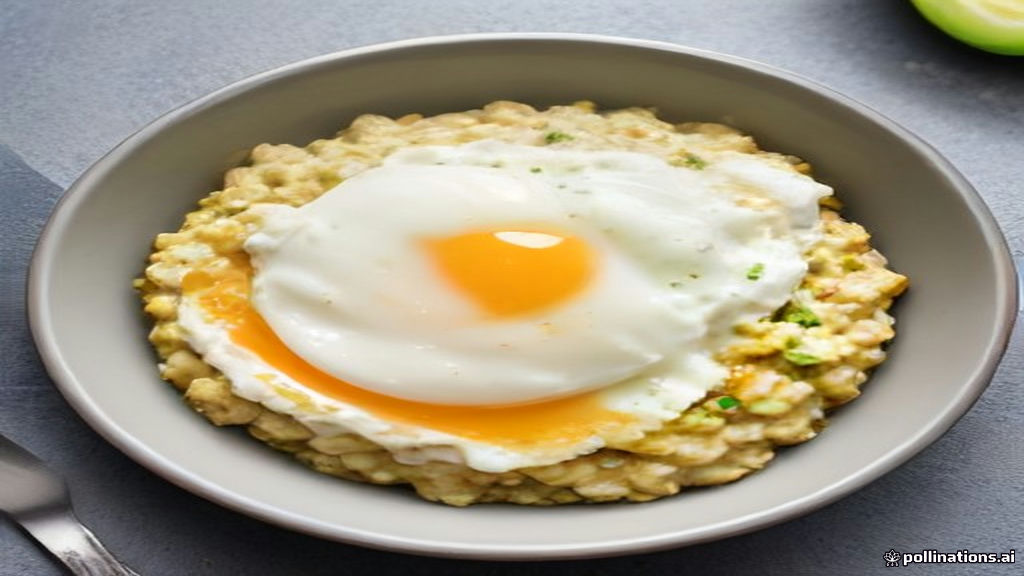
When we think of Roman cuisine, we often conjure images of decadent banquets and exotic delicacies served on silver platters. However, the true strength of Rome—the legions—relied on a surprisingly humble, yet incredibly nutritious dish known as Puls Punicum. This dish was more than just sustenance; it was an integral part of Roman military logistics, providing the endurance required for long marches across diverse terrains. It is a rich, creamy grain porridge elevated by the harmonious blend of honey, cheese, and aromatic spices.
The Ingredients: The Foundation of an Ancient Recipe
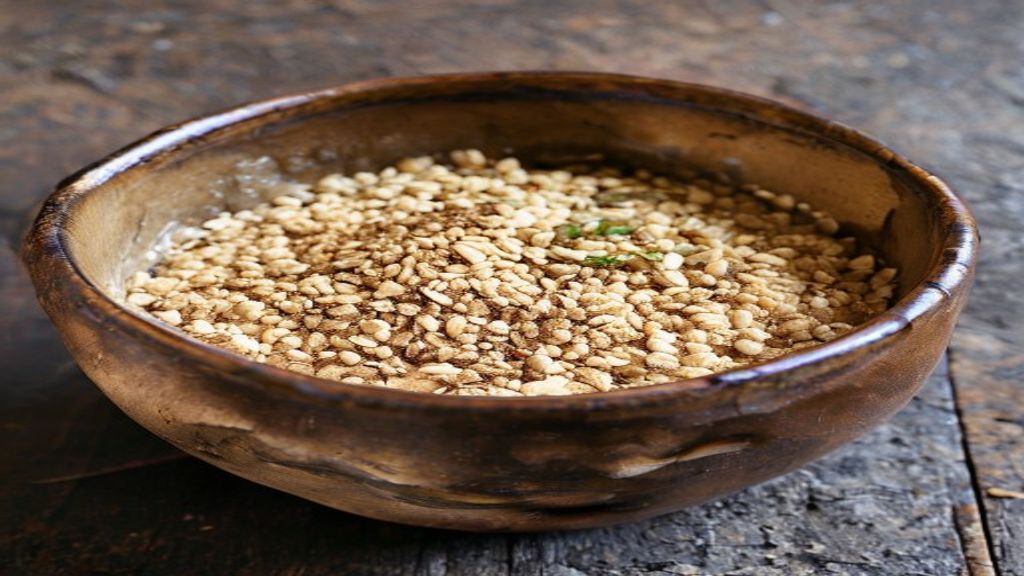
The base of Puls Punicum is traditionally emmer wheat or spelt, grains that the Romans highly valued for their energy density and complex flavor profiles. Preparing this requires quality ingredients that balance the savory nature of cheese with the subtle sweetness of honey, creating a unique culinary profile that bridges the gap between a main course and a comforting dessert.
- 200g spelt or farro (emmer wheat)
- 500ml water or vegetable broth
- 100g ricotta or a mild, fresh goat cheese
- 2 tablespoons high-quality honey
- 1 large egg, lightly beaten
- A pinch of ground cinnamon and grated nutmeg
- Fresh mint leaves for garnish
The Preparation Process: Step by Step
- Rinse the spelt or farro thoroughly under cold water and let it soak for at least 30 minutes. This pre-soak softens the grain and reduces cooking time significantly.
- Simmer the grain in the water or broth for about 40-50 minutes. The goal is for the liquid to be almost fully absorbed, resulting in a thick, porridge-like consistency.
- In a separate bowl, whisk the egg together with the ricotta and honey until smooth.
- Lower the heat to a minimum and gradually fold the cheese mixture into the cooked grain, stirring constantly to prevent the egg from scrambling.
- Add the cinnamon and nutmeg, then cook for another 2-3 minutes, stirring until the texture becomes velvety and cohesive.
Puls Punicum should be served warm, perhaps drizzled with a touch of extra virgin olive oil and topped with fresh mint leaves to honor the rustic traditions of the Roman countryside.
Why This Dish Has Endured Through History
The success of this dish lies in its profound simplicity. Unlike modern fast food that provides a fleeting spike in energy, Puls Punicum offers sustained release, keeping the body fueled for hours. It serves as a masterclass in how to elevate basic pantry staples—grains and dairy—into something truly nourishing. The contrast between the earthiness of the grain and the floral sweetness of the honey provides a sensory experience that feels both ancient and remarkably sophisticated.
Enjoy this as a hearty breakfast or a comforting light dinner. If you want to add a contemporary touch, feel free to incorporate toasted walnuts or dried figs, which complement the texture beautifully. This is more than just a meal; it is a direct connection to the past, offering a taste of the discipline and resilience that defined a civilization. Bring the hearth of the Roman camp into your home today.