The Aromatic Alchemy: Mastering Moroccan Preserved Lemons
The Magic of Preservation
In the vibrant culinary landscape of Morocco, preserved lemons—or citron confit—are not merely an ingredient; they are the soul of the kitchen. When you preserve a lemon, you are not just keeping it for later; you are transforming its very essence. The sharp, aggressive acidity of the fresh fruit mellows into a profound, rounded, and intensely aromatic umami bomb that can elevate a simple chicken stew or a bowl of grains to restaurant-quality heights.
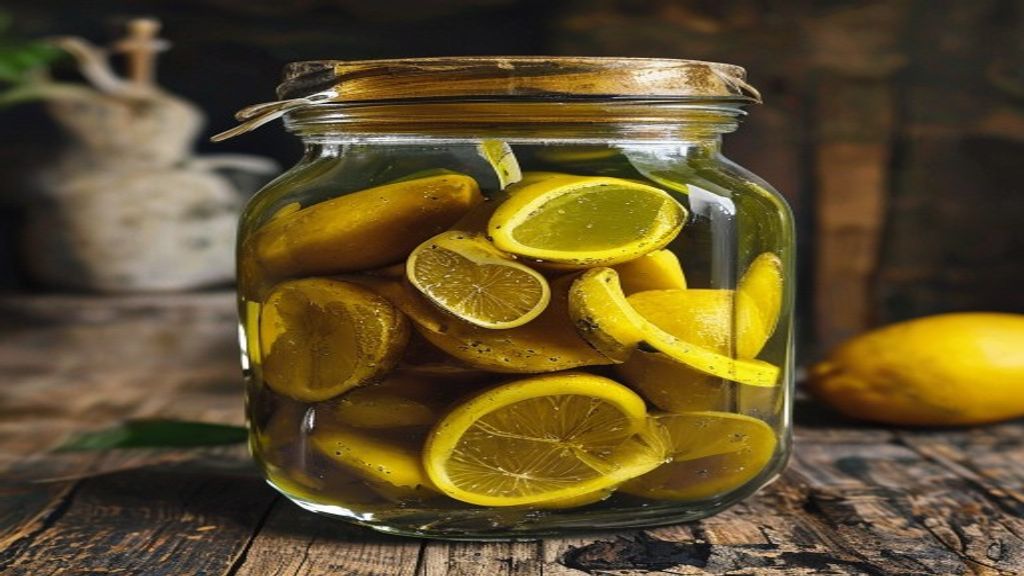
The process is ancient and humble, relying on the simplest of alchemy: salt, citrus juice, and the patient passage of time. As the lemons sit in their own juices, the peel softens, the bitterness evaporates, and the salt draws out complex oils that simply do not exist in the raw fruit. It is a slow, quiet fermentation that turns a common pantry item into a jar of liquid gold.
The Essential Ingredients
To embark on this preservation journey, you need very little, but quality is paramount. Aim for organic lemons whenever possible, as you will be consuming the peel, which is the star of the show.
- 6-8 thin-skinned organic lemons (Meyer lemons are ideal for their sweetness)
- 1/2 cup coarse sea salt (non-iodized)
- Freshly squeezed juice of 3-4 lemons
- Optional aromatics: bay leaves, black peppercorns, coriander seeds, or a cinnamon stick
Using thin-skinned lemons is critical because the thick pith of standard grocery store lemons can remain bitter for longer. Meyer lemons provide a floral, almost orange-like sweetness that is highly prized in traditional recipes.
The Step-by-Step Ritual
- Wash and dry the lemons thoroughly. Cut each lemon lengthwise into quarters, but stop just before you slice all the way through at the base, so the lemon stays attached like a flower.
- Generously pack the inside of each lemon with coarse sea salt. Be liberal—salt is the primary catalyst for the transformation.
- Place a tablespoon of salt at the bottom of a sterilized glass jar. Pack the lemons in tightly, pressing down hard to release their juices. Add your chosen aromatics between the layers.
- Once the jar is filled, pour the extra freshly squeezed lemon juice over the top until the lemons are completely submerged. Seal the jar tightly.
- Keep the jar in a cool, dark place for at least 3 to 4 weeks, shaking it occasionally to redistribute the salt and juices.
The true secret of preserved lemon is patience; while you might be tempted to crack the jar open early, waiting the full month ensures the rind reaches a silky, melt-in-your-mouth texture that is entirely unique.
Bringing the Alchemy to Your Table
Preserved lemons are incredibly versatile. When you are ready to use them, remove a lemon from the jar, rinse it quickly under cold water to remove excess surface salt, and discard the seeds. Finely mince the peel and add it to your dishes. The pulp can also be chopped and used, though many chefs prefer the intense, concentrated flavor of the peel.
Try adding them to a traditional tagine with olives and chicken, fold them into a yogurt-based dressing for a crisp cucumber salad, or stir a teaspoon into a pan of roasted chickpeas. They provide a salty, citrusy punch that cuts through rich fats and brings balance to spicy dishes. Once you have a jar of these in your pantry, you will find yourself reaching for them constantly, turning everyday meals into something truly extraordinary.