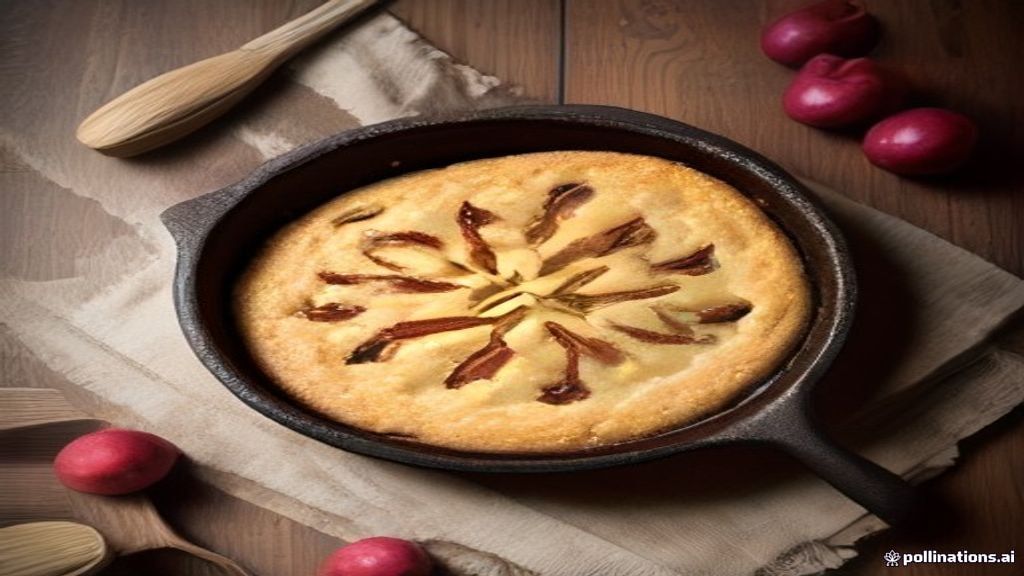
The Alpine Cranberry and Walnut Sourdough Ritual
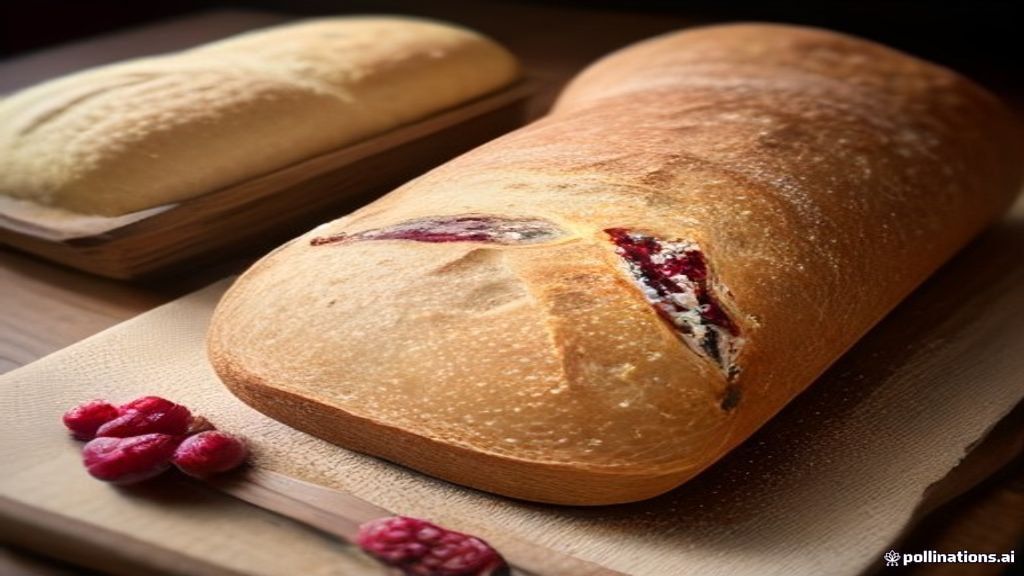
The Art of the Slow-Fermented Loaf
There is a specific kind of magic that occurs when the first frost touches the garden and the kitchen air turns thick with the promise of baking. The Alpine Cranberry and Walnut Sourdough is not merely a recipe; it is a seasonal commitment to patience, warmth, and the alchemy of wild yeast. As the days grow shorter, our bodies crave heartier, complex textures, and this loaf delivers exactly that—a robust, golden-brown crust protecting an interior that is airy, tangy, and punctuated by the festive pop of dried cranberries and the deep, toasted crunch of walnuts.
This ritual requires a 24-hour cycle, making it the perfect weekend project to anchor your home life. It begins with the preparation of your levain, the bubbly heart of the bread, and culminates in the rhythmic scoring of the dough before it hits the scorching heat of a Dutch oven. The contrast between the sharp, acidic bite of the cranberry and the mellow, buttery quality of the walnut creates a flavor profile that feels inherently celebratory, perfect for pairing with salted butter or a wedge of aged alpine cheese.
The Essential Toolkit and Ingredients
To embark on this baking journey, you will need a few staples. The quality of your flour is paramount; opt for a strong bread flour with at least 12% protein content to ensure a good structure. Fresh, active sourdough starter is your engine, and toasted walnuts will provide the best flavor profile.
- 500g strong white bread flour
- 350g filtered water (lukewarm)
- 100g active sourdough starter (fed 4-6 hours prior)
- 10g fine sea salt
- 100g dried cranberries, rehydrated in warm water for 15 minutes and patted dry
- 100g raw walnuts, roughly chopped and lightly toasted
The secret to a successful loaf lies in the temperature. A slightly warmer kitchen will speed up the bulk fermentation, while a cool pantry allows for a slow, flavorful rise. Observe your dough, not the clock.
The Ritual of Creation: Step-by-Step
- The Autolyse (30 minutes): Mix the flour and water until no dry patches remain. Let it rest. This allows the gluten strands to begin forming naturally without any effort.
- The Incorporation: Add your active starter and salt. Use a pincer motion with your hands to integrate them thoroughly.
- Bulk Fermentation (4-6 hours): Perform a series of 'stretch and folds' every 30 minutes for the first two hours. During the second set of folds, gently tuck in the cranberries and walnuts. Ensure they are distributed evenly throughout the dough.
- Shaping and Proofing: Once the dough has increased in volume by about 50% and looks bubbly, shape it into a tight boule. Place it in a floured proofing basket, cover, and place in the refrigerator for a cold proof of 12-16 hours.
- The Bake: Preheat your oven and Dutch oven to 230°C (450°F). Score the top of the loaf with a sharp blade or razor to control the expansion. Bake covered for 25 minutes, then remove the lid and bake for another 20 minutes until the crust is a deep, mahogany brown.
Serving Suggestions and Variations
This bread demands simple, honest accompaniments. A thick slice, toasted and smeared with high-quality cultured butter, is breakfast perfection. For a more sophisticated evening snack, serve it alongside a platter of thin-sliced prosciutto, honey-drizzled goat cheese, and a handful of fresh rosemary sprigs. The sweetness of the cranberries also makes this an excellent base for a festive sandwich—think leftover roasted turkey, a thin layer of cream cheese, and a handful of wild arugula.
If you wish to experiment, consider swapping the walnuts for toasted pecans or adding a tablespoon of orange zest to the dough during the mixing stage. The citrus notes lift the bitterness of the walnuts and create a bright, uplifting aroma that permeates the entire house. Regardless of your variation, the act of slicing into a fresh, steaming loaf is a reward that never loses its luster.
As the final crumb cools on the wire rack, take a moment to appreciate the transformation. You have turned humble water, flour, and time into a nourishing staple. This is the essence of the sourdough ritual: creating comfort from the pantry, one golden loaf at a time.