The Haunted Margins of Used Books
When we buy a second-hand book, we are not just acquiring the text; we are inheriting the ghosts of its previous readers in the margins.

There is a specific, quiet thrill in running your fingers over the yellowed edges of a pre-loved book. It feels like stepping into a time machine, where every turned page whispers a story not just of the author, but of the stranger who held this volume decades before you. When we purchase used books, we are engaging in a form of literary archaeology, trying to decipher the faint, handwritten echoes left by those who walked this path before us.
The Margins as a Map of Thought
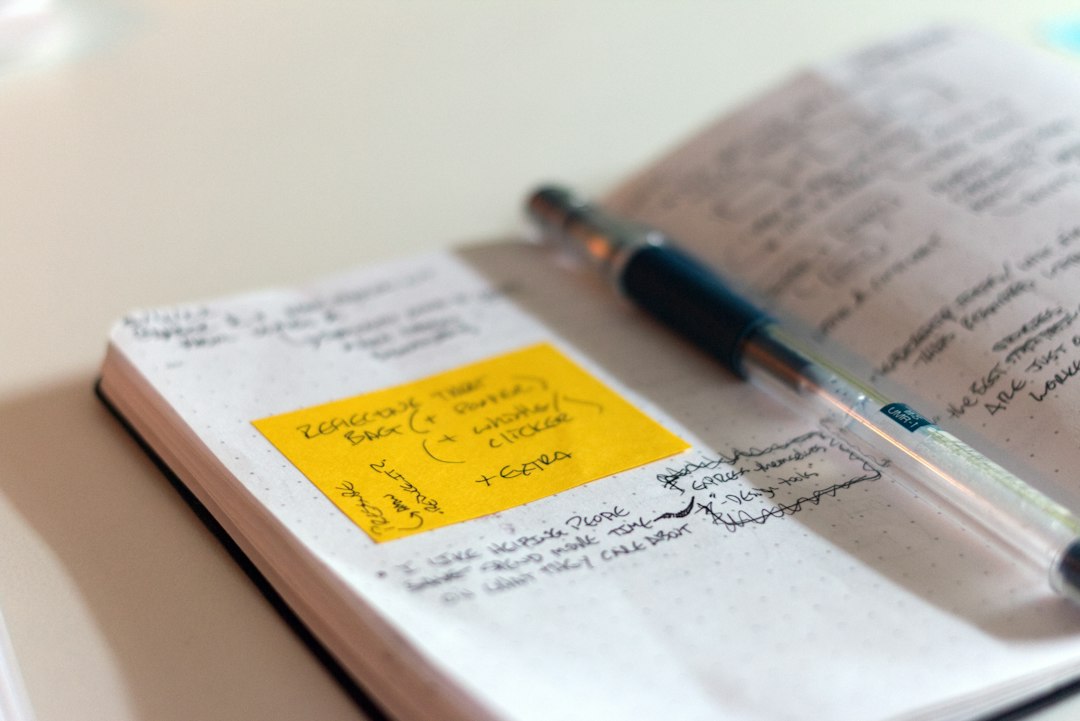
Many people shy away from writing in books, viewing it as a sacrilege against the printed word. I, however, find it to be the ultimate act of intimacy. Those pencil-scratched notes in the margins, the frantic exclamation marks, or even the accidental coffee stains grant a book a biography. They document the exact moment a reader paused, wrestled with an idea, or argued back at the prose.
We never read alone; we read in conversation with the ghosts of readers past, whose own reactions to the text become a dialogue that enriches our own understanding.
The Secret Archives of Ephemera
Used books are often accidental time capsules, hiding treasures that have nothing to do with the narrative itself but everything to do with the life of a reader. I have discovered theater tickets from the 1970s, pressed wildflowers, faded polaroids, and even drafts of unsent letters tucked between chapters. These scraps are the book's secret pockets, holding onto fragments of history that would otherwise be lost.
- A theater stub serving as a permanent bookmark.
- Handwritten grocery lists tucked into a thriller.
- Dried lavender that still holds a faint, dusty scent.
The Spirit of Shared Reading
When a book passes from hand to hand, it evolves into a communal legacy. The reader who held this copy before me becomes an invisible interlocutor. I often find myself wondering: did they cry at this specific paragraph, too? Did they find comfort in this chapter during a difficult winter? By engaging with their marks, I am essentially sharing a cup of coffee with a stranger across the divide of time.
Why We Seek Out These Traces
We crave these traces because our modern digital existence is often too clean, too anonymous, and too ephemeral. E-books do not age; their screens do not yellow; they offer no physical weight or evidence of human touch. A used book reminds us that our own lives, like these pages, are transient, yet they leave behind a mark that someone else might one day find and cherish.
The next time you pull a dusty spine from a shelf in a second-hand store, do not be quick to erase the previous owner's marks. Embrace them as part of the narrative. The book is not just the story printed on the page; it is the sum of every soul who has ever carried it through the world.