The Geometry of the Unseen Key: Why We Hoard Keys to Unknown Doors
Ever wonder why you keep that one mysterious key in your junk drawer that opens absolutely nothing?
The Mystery of the Nameless Key
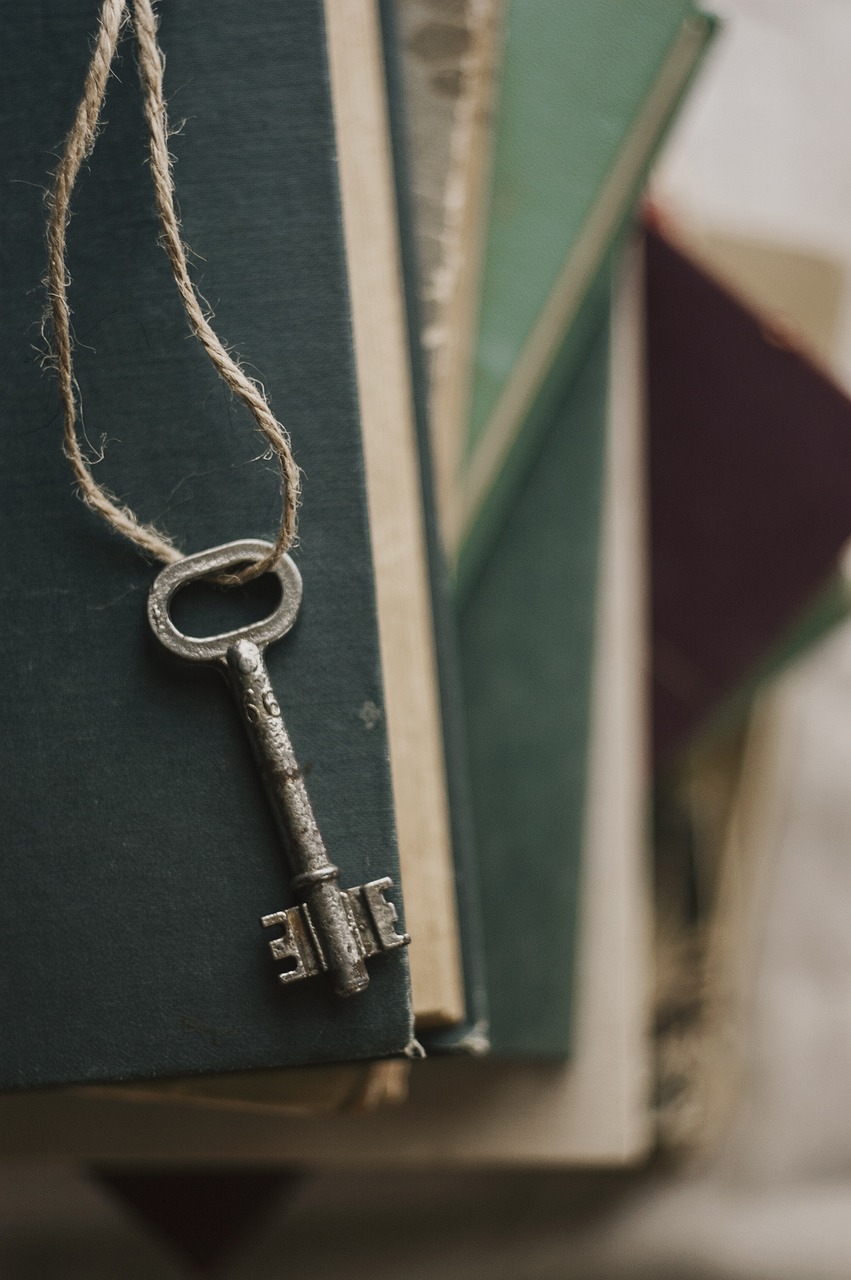
We all have them. Those small, heavy, jagged pieces of metal that migrate to the back of our junk drawers, lurking beneath rubber bands and dead batteries. They are the artifacts of our past: keys to apartments we moved out of years ago, padlocks whose shackle long ago rusted shut, or mysterious furniture keys that belong to a cabinet we donated to charity a decade ago. We keep them not because they are useful, but because they carry the weight of a possibility that we are not quite ready to discard.
This is the geometry of the unseen key. It is not defined by the lock it fits, but by the memory of the threshold it once commanded. Every time we encounter one of these keys, we are momentarily transported back to the space it opened. Whether it was the squeaky front door of a first apartment or the complex lock of a childhood diary, the key serves as a physical anchor for a moment in time that has otherwise dissolved into the fog of memory.
The Psychology of Potential
Why do we hold onto objects that have clearly outlived their purpose? It is rarely about the utility of the item and almost always about the psychological comfort of keeping options open. By holding onto a key, we are metaphorically keeping the door slightly ajar. We are honoring the idea that we once had access to a specific version of ourselves, or a specific version of the world, and we aren't ready to lock that possibility away forever.
- Identity Preservation: These keys represent chapters of our lives that helped shape who we are today.
- The Illusion of Control: Keeping a key provides a tactile sense of agency over our environment, even if that environment no longer exists.
- Curiosity and Hope: There is a flicker of childlike wonder in thinking that perhaps, one day, we might find the matching lock.
The keys that open nothing are the ones that unlock the most in our minds; they are the physical manifestations of the doors we have walked through and the thresholds we have left behind.
The Architecture of Lost Thresholds
When we look at a collection of keys, we are looking at a map of our own transitions. Each key is a coordinate on the timeline of our lives. They speak to the architecture of our personal history—the homes we have inhabited, the offices we have worked in, and the private spaces we once guarded. When a key loses its lock, it does not lose its meaning; it simply shifts from being a tool into being a relic.
Perhaps we hoard these items because we are afraid of the finality of being locked out. In a world where digital access is ephemeral and passwords are forgotten or reset, a physical key remains a stubborn, immutable truth. It is a promise that you were once there, that you possessed the means to enter, and that the space you occupied was yours to claim.
Reflections on Letting Go and Moving Forward
There is no shame in having a drawer full of useless keys. They are not clutter; they are a private museum of your own movement through the world. They remind us that our lives are defined not just by the doors we are currently walking through, but by the myriad of spaces we have already navigated. Every key is a testament to the fact that you have moved, you have evolved, and you have survived the transitions that life demanded of you.
The next time you find a stray key, take a moment to look at its teeth and its bow. Don't just toss it aside. Acknowledge it as a tiny, metallic piece of your own history. By keeping it, you are acknowledging that while you may have left the room, the experience remains a part of your architecture. And if you ever decide to let it go, know that you are not losing a key, but simply acknowledging that you have already opened the door you needed to pass through.