The Geometry of the Unopened Envelope: Why We Hoard Unread Promises
The Envelope as a Time Capsule
Tucked away in the dusty corners of our bookshelves, inside the pages of unread novels, or buried deep within the dark recesses of a desk drawer, sits an object of quiet power: the unopened envelope. It is a peculiar geometric object, a rectangle of paper that holds not just ink, but a suspended reality. We treat these sealed artifacts as if they were radioactive, preserving them long after their original urgency has evaporated.
We hoard these envelopes because they represent a form of life that hasn't been forced to confront the harsh light of reality yet. An unopened envelope is a promise that hasn't been broken, a question that hasn't been answered, and a connection that remains frozen in time. It is a physical manifestation of a bridge we are not yet ready to cross.
The Allure of the Unknown
Why do we choose to remain in the dark? From a psychological standpoint, the unopened envelope acts as a sanctuary for potentiality. As long as the seal is intact, the contents remain Schrödinger’s message—simultaneously hopeful, devastating, and entirely neutral. The moment we tear the paper, we collapse the wave function of possibility into a single, concrete outcome. By keeping it sealed, we keep the possibility alive forever.
The unopened envelope is the final refuge of hope, a space where nothing is yet lost and everything remains possible.
The Structure of Physical Memory
Paper ages, ink fades, and stamps lose their adhesive, but the energy contained within an unopened envelope remains remarkably stable. We keep these letters not because we forgot to open them, but because they have become essential architectural elements of our personal history. They occupy space in our lives as sentinels of the past, standing guard over emotions we aren't ready to process or news we aren't ready to receive.
- Crisp, modern envelopes: The potential for future change.
- Yellowed, vintage stationery: The ghosts of unfinished conversations.
- Deeply hidden, mislaid letters: The secrets we aren't ready to share with ourselves.
The Aesthetics of Incompleteness
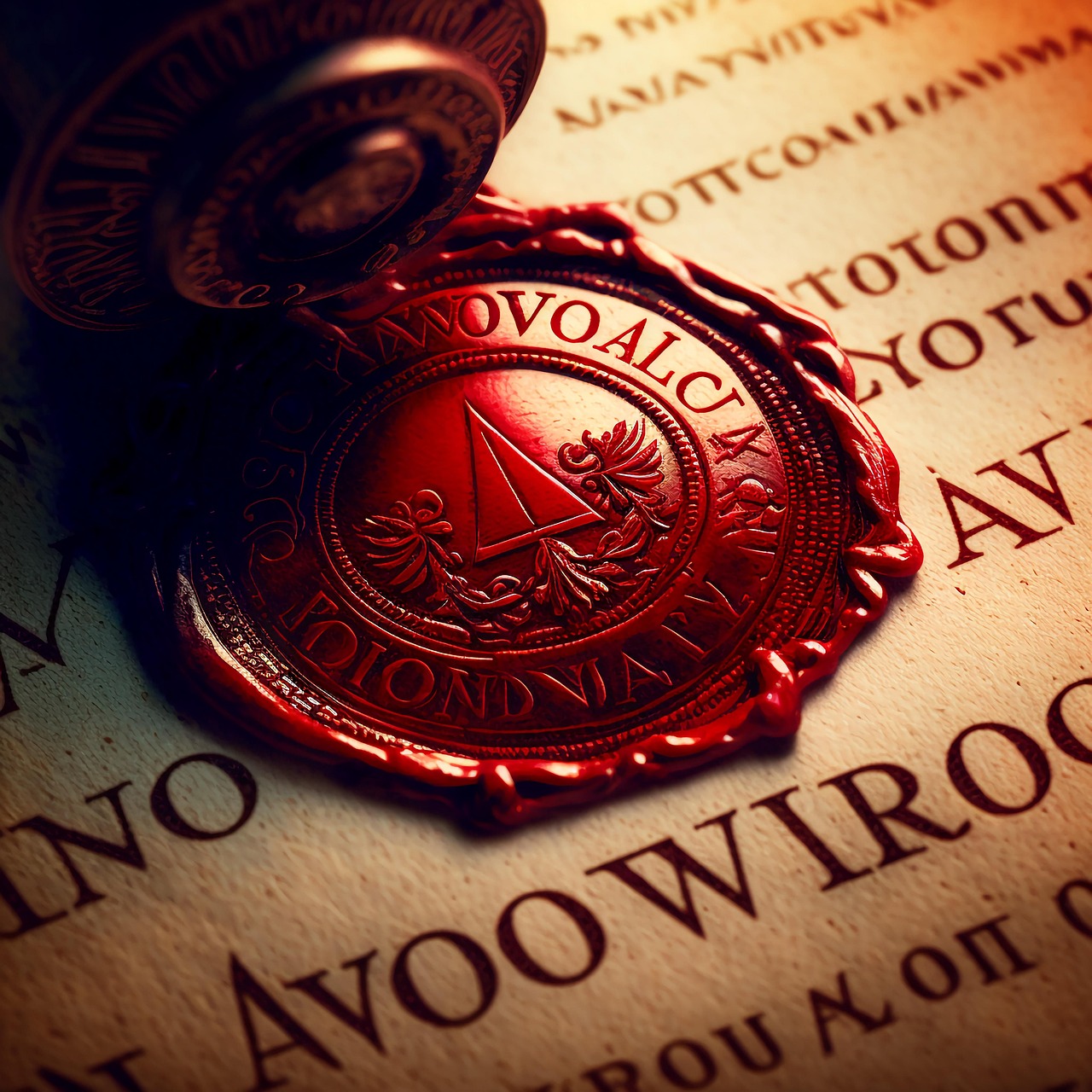
We are drawn to the aesthetic of the unfinished. The calligraphy on the front, the faded wax seal, or the simple, stark geography of the folded paper—these are art pieces in their own right. They have ceased to be mere carriers of information and have transformed into vessels of intent. They remind us that our lives are composed of these layers of hidden stories, buried under the weight of our daily routines.
Ultimately, the unopened envelope teaches us the virtue of patience. We often feel the modern compulsion to consume every piece of information instantly, yet there is a profound dignity in leaving some things unread. Perhaps the greatest takeaway is this: we do not keep these items because we are forgetful, but because we recognize that some mysteries are better left as mysteries, acting as anchor points for our wandering, modern selves.