The Geometry of the Analog Clock: Why We Crave the Ticking Circle
In a world of silent digital numbers, the steady tick of an analog clock grounds us in the physical reality of passing time.
The Physical Presence of Time
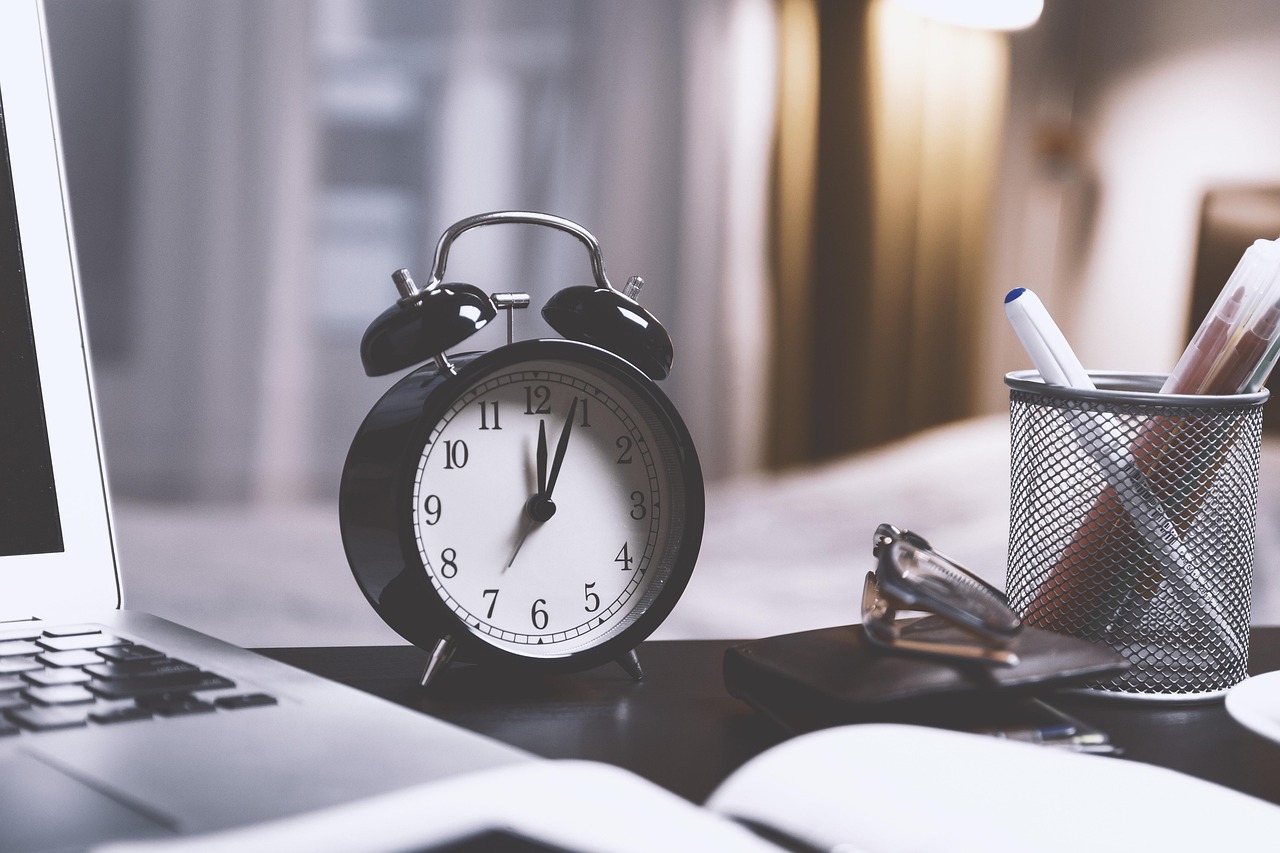
We live in an era where time has become increasingly abstract. On our smartphones and laptops, time is a series of cold, silent, and flickering digits. They flip from one minute to the next without a sound, making the passage of time feel invisible and strangely detached. But there is a profound difference when you place a physical, analog clock in a room. Suddenly, time has a pulse. It has a voice. It occupies space.
The analog clock is more than a tool for measurement; it is a mechanism of movement. By watching the hand sweep across a circular face, we aren't just reading data; we are witnessing a physical representation of the day. The clock reminds us that time is not just a calculation, but a continuous, unfolding process that we are actively participating in.
The Tick as a Cognitive Anchor
Many creatives and deep-thinkers have found that the rhythmic ticking of a clock serves as an incredible anchor for concentration. Unlike white noise or looped music, the tick is periodic and predictable. It provides a steady, external heartbeat that helps to regulate our own internal rhythm. When the digital world feels overwhelming, this simple, repetitive sound acts as a sensory boundary.
- Focus: The predictability of the tick helps the brain slip into a flow state.
- Grounding: The physical sound reminds us of the present moment, rather than the abstract future.
- Structure: It serves as a soft, non-intrusive reminder of the passing day.
Time is not merely a quantity to be managed, but a rhythm to be inhabited. The analog clock reminds us that we are part of the movement.
The Circle as a Symbol of Continuity
Why do we remain so attached to the circular face? Because time is cyclical. Our days, our weeks, and our seasons all move in rotations. The analog clock honors this reality. When you look at an analog face, you don't just see the current hour; you see the entire span of the morning or afternoon. You see the 'geometry' of your day.
This visual representation allows us to intuitively grasp how much of the day has passed and how much remains. Digital clocks tell you the 'what' of the time, but analog clocks show you the 'where' of the time. This distinction is vital for our spatial and temporal awareness, helping us feel more in control of our surroundings.
Why We Return to the Analog
Our modern drift back toward analog clocks isn't just about vintage aesthetics. It is a quiet form of protest against digital overload. We are seeking to reduce the number of glowing, notification-heavy screens in our workspace. We want objects that perform their task beautifully and silently without asking for our constant attention or data connection.
The analog clock on a desk has become an oasis of calm. It reminds us that regardless of how fast the digital world accelerates, we can maintain our own tempo. Let the clock tick, and you will find that you stop racing against the time and start working with it. It turns the act of monitoring our hours into a steady, comforting habit rather than a stressful deadline.