The Geography of Loose Change: Why We Hoard the Metal Remnants of Our Days
Coins are more than just currency; they are the physical debris of our daily lives. Discover why we cling to these small metal artifacts.
The Quiet Weight of Pocket Change
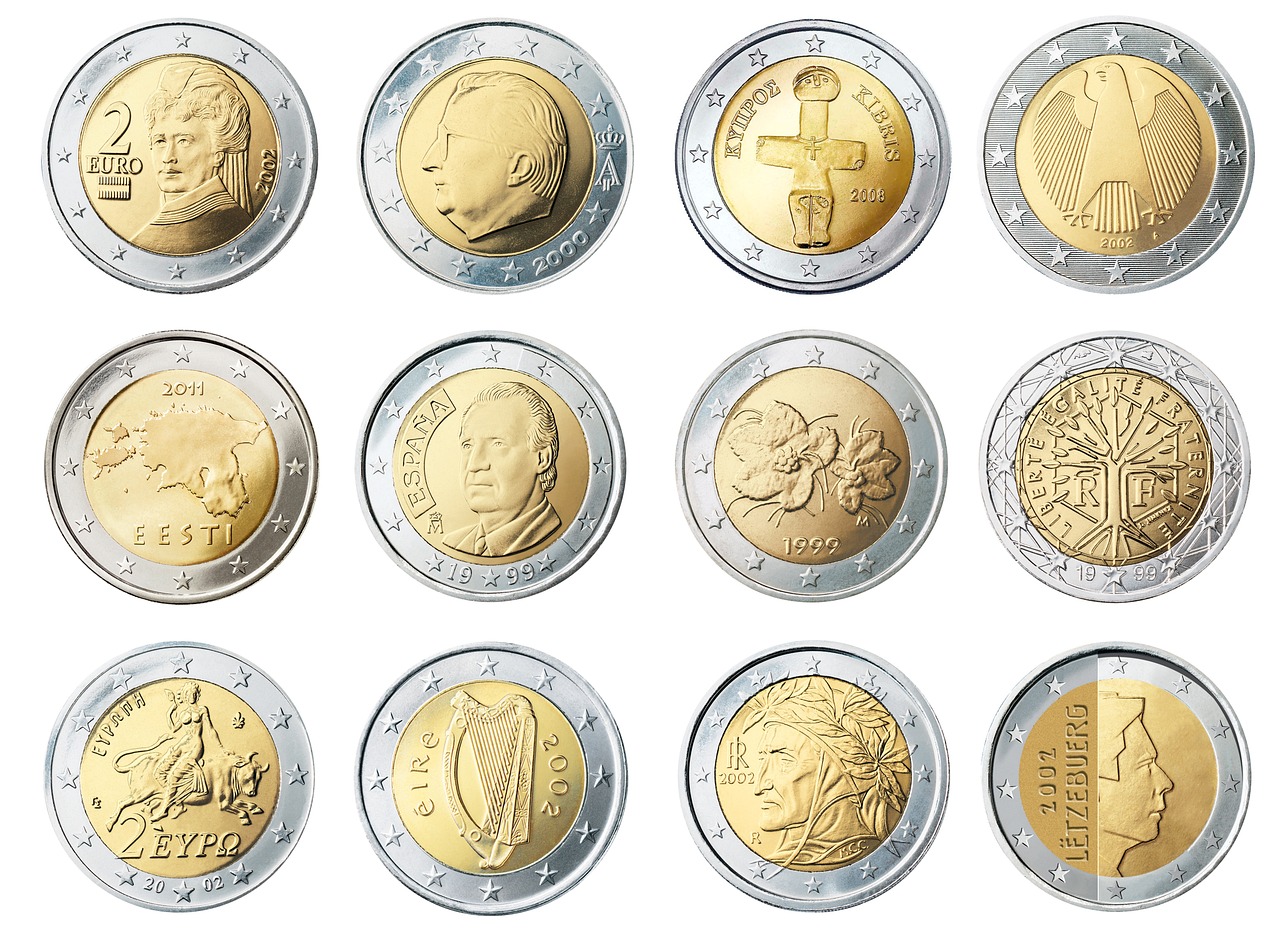
Have you ever reached into the pocket of a coat you haven't worn in months, only to hear that familiar, metallic clink? There, hidden in the lining, lies a handful of loose change—a physical remnant of a day long forgotten. We often dismiss coins as trivial, mere noise in our digital, streamlined financial lives, yet these small discs possess a unique geography. They migrate from wallets to car cup holders, from kitchen counters to the dark, mysterious depths of couch cushions, eventually settling into jars or drawers like sediment in a riverbed.
The Physical Echo of Transaction
Every coin carries the silent memory of a transaction. Perhaps it was the change from your first cup of coffee in a new city, or a lucky find on a rain-slicked sidewalk. We struggle to discard these remnants because they represent a tangible connection to our financial past. In an era where money has become increasingly abstract—represented by glowing screens and blinking cursors—coins are the only remaining physical artifacts of our labor. As one observer once mused,
Coins are the small, heavy crumbs of our existence, reminding us that wealth, at its most basic level, is something you can hold in your hand.
The Duality of Chaos and Order
We often hoard loose change because it symbolizes potential energy. Those jars filled with copper and nickel are our household micro-treasuries. We might go years without spending them, yet their presence offers a strange sense of security. It is a psychological game we play with ourselves: keeping something that is technically valuable, yet practically stagnant. This ritualistic hoarding transforms chaos into a curated collection of leftovers, a way to map our spending habits through the physical debris we leave behind.
Why We Fear Emptying Our Pockets
- The sound of coins provides a rhythmic anchor to our domestic space.
- They serve as physical placeholders for memories we haven't yet processed.
- We hold onto the hope that these small amounts will accumulate into something meaningful.
The Invisible Geography of the Home
If you were to map the locations in your home where you discard your loose change, you would inadvertently be mapping the architecture of your habits. Where do you drop your keys? Where do you empty your pockets after a long day? These spots are your personal financial zones. We tend to create these deposits along the paths of least resistance, highlighting how our need for immediate comfort often conflicts with our desire for organized finance.
Trusting in the Future
Ultimately, hoarding loose change is an act of optimism. We believe that these coins will eventually serve a purpose, whether it is for a vending machine or a small emergency fund. It teaches us to appreciate the fractional parts of our income while we strive for the whole. It is a humble reminder that every great sum is built from these quiet, overlooked pieces.
The next time you find a stray coin in your pocket, do not be so quick to spend it or tuck it away. Pause for a moment and consider the journey it has taken to reach your hand. Each coin is a tiny, metallic story of where you have been and the small, invisible ways you have interacted with the world around you.