The Emotional Weight of Loose Change: Why We Ignore the Small Stuff
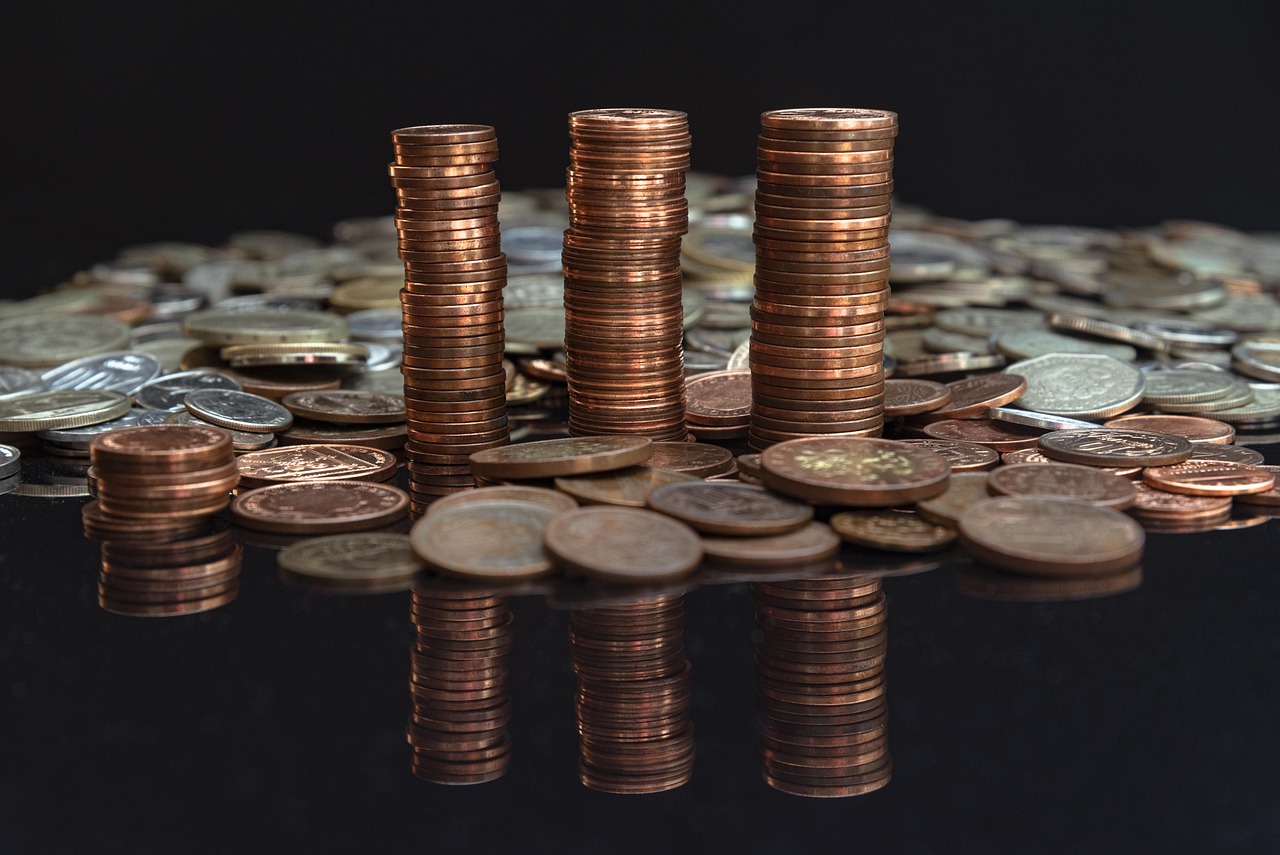
When was the last time you actually looked at the loose change at the bottom of your bag? For most of us, coins have become a nuisance—a heavy, clanking reminder of a transaction that we would rather forget. We dump them into bowls by the door, leave them in car cup holders, or ignore them entirely, treating them as if they are less than real money. But the way we treat our loose change says a surprising amount about our relationship with prosperity, discipline, and the physical world.
The Barrier of Friction
In an era of frictionless digital payments, where a simple tap or swipe makes money disappear from our accounts without a trace, coins remain the last tether to the physical weight of wealth. They are inconvenient, and that is precisely why they matter. They require us to stop, count, and physically handle our assets. This friction is a sensory experience that digital interfaces have stripped away.
When we disregard coins, we are essentially saying that our time is too valuable to bother with small denominations. While this sounds like a productivity hack, it often bleeds into a broader culture of financial neglect. If we cannot be bothered to account for the smallest units of our currency, we eventually lose the habit of accounting for the larger ones.
The Psychology of the Penny
There is a deep-seated psychological reaction to loose change. We have been conditioned to view it as a burden rather than an asset. Consider how our brains categorize these small metal discs:
- As clutter, physically weighing down our pockets.
- As a social signal, suggesting we are not 'thrifty' or 'petty' by counting pennies.
- As a relic, something that belongs in a museum or a jar rather than a bank account.
The coin is not merely money; it is a tactile reminder that value is composed of small, incremental gains that we often overlook in our pursuit of the grand gesture.
Why We Treat Pennies Like Trash
Our tendency to ignore change is rooted in cognitive bias. The brain is programmed to conserve energy; calculating the sum of a handful of coins feels like 'work' for a negligible reward. We subconsciously devalue small change because it does not provide an immediate 'high' of gratification, unlike the instant dopamine hit of a successful online purchase.
Yet, this indifference is a slippery slope. Financial literacy is built on the foundation of tracking every unit of value. By dismissing the penny, we are ignoring the fundamental building block of financial security. The problem isn't the purchasing power of the coin itself, but the lack of mindfulness we apply to our resources.
Reclaiming the Small Stuff
Next time you see a coin on the ground or a pile of change on your dresser, pause. Don't just sweep it away. Acknowledge it. Treat it as a small victory of mindfulness. By consciously gathering and organizing these small pieces of metal, you are training your brain to pay attention to the details of your life.
Respecting loose change is a form of self-respect. When we stop viewing small things as 'worthless,' we begin to manage all our resources—money, time, and attention—with much greater precision. The wealth you seek is not just in the big paychecks; it is hidden in the habit of noticing the small change.