The Digital Archaeology of Abandoned Accounts
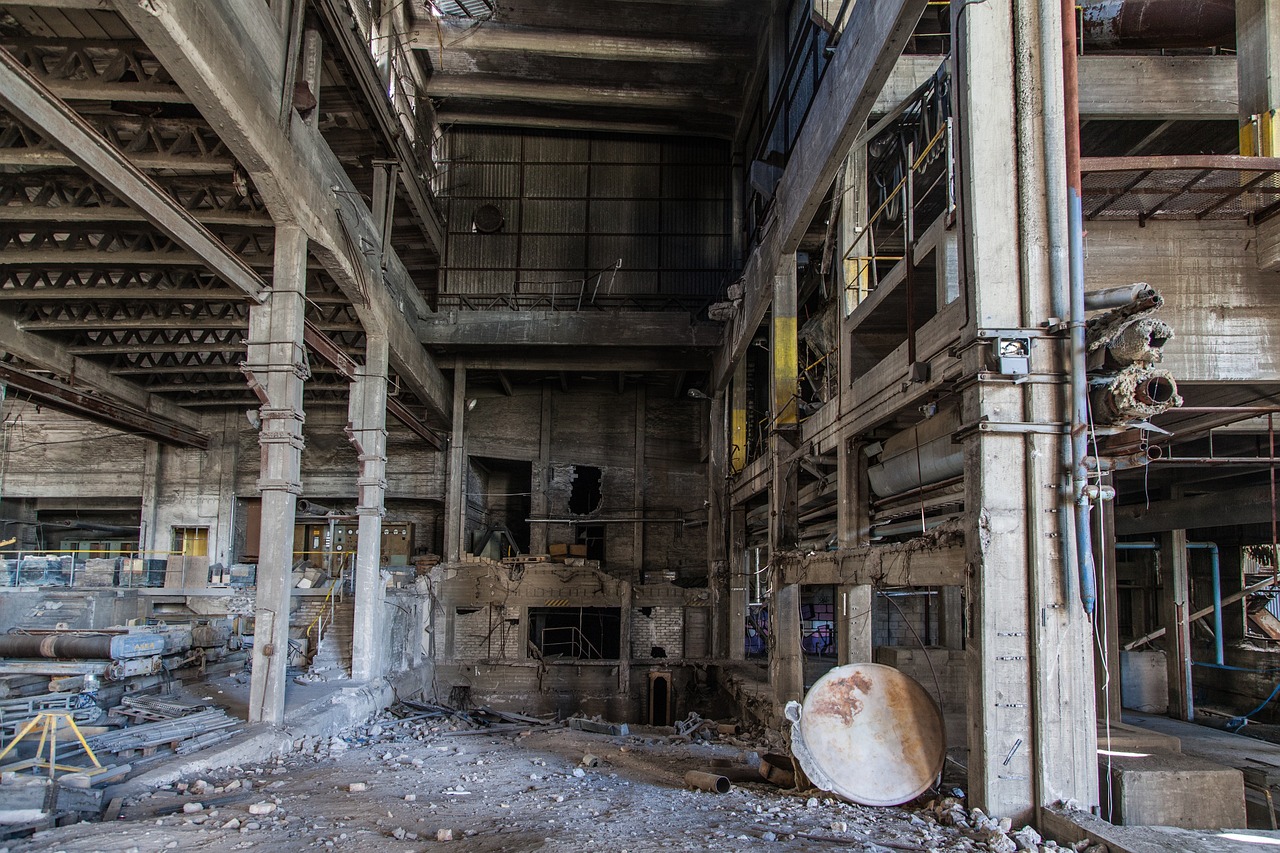
The Dusty Corners of Digital Heritage
We all have one: a forgotten account with a password we can no longer remember, residing on a server somewhere, collecting virtual dust. We are living in an era where our personal history isn't just in photo albums or diaries; it is scattered across a sprawling landscape of digital footprints. As we migrate from platform to platform—moving from the early days of MySpace to the fleeting nature of Snapchat or the structured noise of X—we leave behind digital corpses. These profiles contain the awkward photos of our youth, the niche hobbies we outgrew, and the private conversations that once felt like the center of our universe.
These abandoned accounts have become the new subjects of modern archaeology. They are time capsules that preserve the specific spirit of the internet during the years we occupied them. Each profile is not just a personal memory; it is a testament to how we have evolved alongside the technology that shaped us. Looking back at an account from 2008 is like looking at an ancient ruin—it feels both intimately familiar and completely alien, a snapshot of a version of you that no longer exists.
Why We Leave Our Digital Ruins Behind
The primary reason for our digital abandonment is often discomfort. Who wants to confront the status updates of their teenage years, characterized by excessive capitalization and raw, unfiltered teenage angst? We bury these accounts because they no longer align with our current, curated identities. Our digital self is dynamic, constantly updating to reflect our current professional or social status, whereas these old accounts are static, frozen in a time we have moved past.
- Forgotten passwords act as seals on our digital tombs.
- Algorithmic decay makes older platforms feel like ghost towns.
- Personal evolution forces us to discard outdated versions of our public persona.
What we dismiss as digital clutter today may serve as the primary source material for future historians trying to understand the human experience in the early twenty-first century.
Preserving Memory vs. The Right to be Forgotten
This creates a profound tension. On one hand, we want the internet to be a repository of our best moments; on the other, the 'right to be forgotten' is becoming increasingly vital. What happens if, a century from now, someone unearths your 2012 selfie and decides it is the definitive reflection of your character? This question forces us to consider the ethics of digital immortality. We are essentially leaving behind a permanent record of our most experimental, and often most embarrassing, phases of life.
We must learn to curate our digital legacy with the same care we give to our physical estates. Digital hygiene isn't just about saving storage space; it's about making peace with your own history. Keep only what truly tells the story of who you are, and allow the rest to fade away with dignity. We shouldn't feel obligated to maintain every digital space we have ever occupied.
Ultimately, digital archaeology is not about code or servers; it is about the human experience. The next time you stumble upon an old email inbox or a long-dormant social media page, don't rush to hit the delete button immediately. Take a moment to browse. You are visiting a museum of yourself. The takeaway is simple: to live fully in the present, we must learn to curate our past, keeping what matters while having the grace to let the rest of our digital ghosts rest in peace.