The Curious Etiquette of Unfamiliar Doorways: Why We Hesitate at the Threshold
Have you ever paused before opening a door to an unfamiliar room? That split-second hesitation is a masterclass in human psychology.
The Psychology of the Threshold
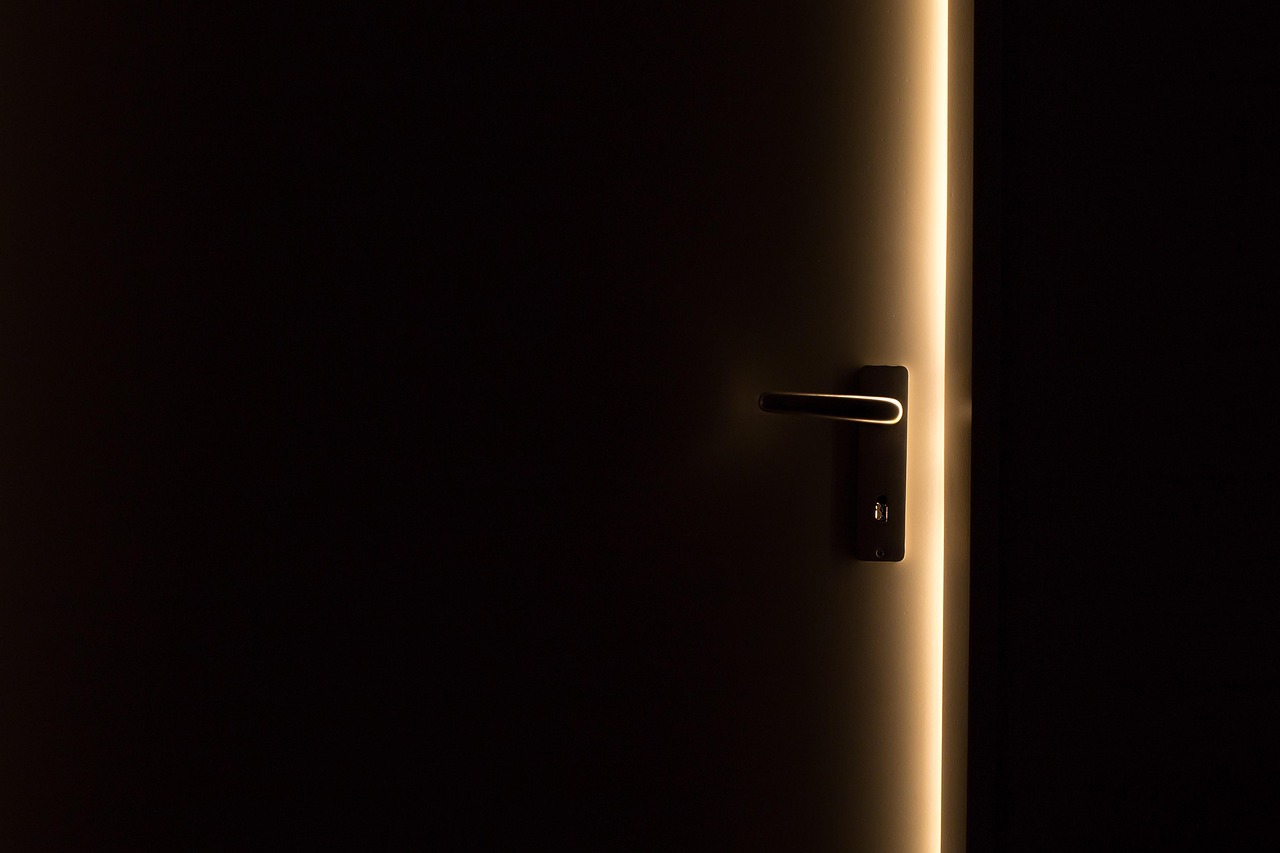
We walk through doors dozens of times a day, usually without a second thought. A door is a functional object—a transition point between two states of being. Yet, there is a specific category of door that forces us to pause: the unfamiliar doorway. Whether it is the entrance to a new job interview, a stranger’s home, or an old, forgotten corridor in a building we’ve never visited, the threshold represents a psychological boundary that demands our attention.
This phenomenon is what psychologists might call a decision point. Our brains crave predictability, and the threshold is the exact line where predictability ends and the unknown begins. Each new doorway poses an silent question: Am I prepared for what lies on the other side? It is a fleeting moment of vulnerability where we are neither here nor there, suspended in a state of quiet anticipation.
Why We Hesitate
Our hesitation is deeply rooted in both evolutionary biology and social conditioning. For our ancestors, a threshold was the primary line of defense. What lay behind that door could be a friend, a foe, or a hidden danger. Caution was not just a personality trait; it was a survival mechanism. Even in our modern world, where the dangers are rarely physical, we retain this instinct to survey the landscape before committing.
- The fear of social awkwardness in an unknown setting.
- The instinct to respect the sanctity of private space.
- The fear of the unknown influencing our self-perception.
The doorway is the only thing that holds us between the past and the future. It stands at the precise boundary of here and now, a silent witness to our courage.
The Unspoken Rules of Entering
When we enter an unfamiliar space, our behavior shifts automatically. Our gait becomes more measured, our gaze more observant, and our presence more tentative. This is an unwritten etiquette of exploration. We are assessing the "rules" of the room—the lighting, the noise level, and the social hierarchy—before we fully commit to being part of it. It is a fascinating dance of sensory input and rapid cognitive processing.
Interestingly, the depth of our hesitation often mirrors our internal state. When we are confident in our path, we open doors with a decisive hand. When we are uncertain or anxious, the door feels heavier, the latch seems stiffer, and the act of opening it feels like a monumental task. The way we approach the threshold is often a mirror of how we approach life's challenges.
The Threshold as an Opportunity
Instead of viewing these moments of hesitation as a weakness, we should embrace them as opportunities for growth. Every unfamiliar doorway represents a new experience that will shape our personality. Meeting the unknown is the ultimate school of character. It forces us to step outside our comfort zone and engage with a reality that we didn't construct ourselves.
Remember that every door is also an exit. When we cross that threshold, we aren't just entering a new space; we are leaving behind our previous limitations. This is the essence of growth—a series of continuous transitions into new horizons. The next time you find yourself standing before an unfamiliar door, don't just push it open out of necessity. Take a breath, acknowledge the threshold, and walk through with intention.
Your next great adventure is just one push away, waiting for you to decide that the unknown is worth the entry.