The Celestial Archive: Why We Crave the Starlight
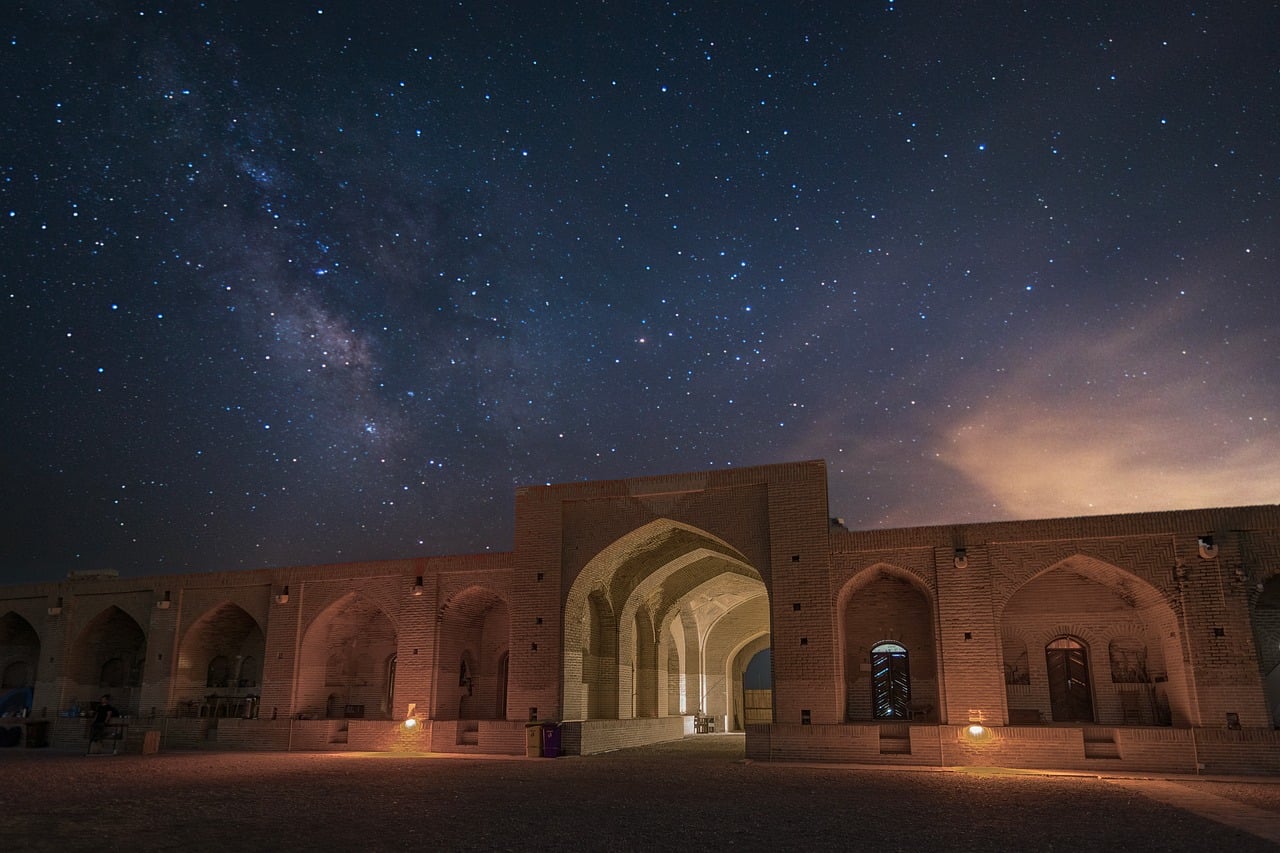
We often forget that our eyes are peering into the past at this very moment. When you look at the night sky, you are not seeing things as they are now, but as they were hundreds or even thousands of years ago. This celestial archive is our cosmic heritage, and our drive to reach for the stars is not just scientific curiosity, but a profound psychological need to understand our own origins.
The Archaeology of Light
Astronomy is often presented as a cold science of numbers and distances, yet it is fundamentally a form of archaeology. Everything we see in the sky is an ancient echo of light. We are witnessing the testimonies of stars dying or being born, reaching us across the vastness of space at the speed of light.
Our brains are hardwired to seek narratives. Ancient humans saw animals, heroes, and gods in the stars. Today, we hunt for exoplanets and mysterious radio signals, but the underlying motivation remains the same: the desire to not be alone in this vast, sprawling darkness.
The Power of Cosmic Perspective
The stars teach us humility, for they remind us of the brevity of our existence, but they also turn that very brevity into something meaningful.
When we focus entirely on our daily anxieties, our world becomes suffocatingly small. Adopting a cosmic perspective helps us realize that our personal struggles are merely a tiny fragment of a much larger tapestry. This is a psychological mechanism that allows us to lower our cortisol levels and find a sense of inner calm.
Why We Seek Life Elsewhere
Humanity has always sought to communicate with its peers. We have sent out the Voyager probes and radio signals, hoping that somewhere there is a civilization that will answer. This is not just exploration; it is a quest for ontological security.
- We seek confirmation of our own identity.
- We want to know if the development of life is a universal pattern.
- We strive to find a purpose greater than our daily existence.
Technology as Our New Eyes
The James Webb Space Telescope provides us with images previously unimaginable. These new tools allow us to witness the infancy of the universe. This changes our worldview, as we begin to grasp how delicate the balance is that allowed life to emerge on Earth.
The ultimate takeaway is simple: by looking at the stars, we are observing both our future and our past. Don't forget to stop and look up every once in a while, because there, in the silence, lie the answers to our very existence.